Navigating the path to improved male fertility can feel complex, but one of the most powerful tools for enhancing your reproductive health is right in your kitchen. Diet plays a pivotal role in sperm production, impacting everything from count and motility to morphology. While a comprehensive approach is key, specific dietary changes can offer a direct and effective way to support your body's natural processes. To lay a strong foundation for sperm health, it's essential to understand the general principles of healthy eating as they apply to overall wellness for men.
This guide moves beyond generic advice to provide a clear, actionable list of specific foods that increase sperm count fast. We will explore the science behind how key nutrients in these foods work, offer practical tips for incorporating them into your daily meals and snacks, and set realistic expectations for seeing results. Our focus is on tangible strategies you can implement immediately to take control of your reproductive health.
Understanding your current sperm health is a critical first step. Before making any changes, getting a clear baseline allows you to measure progress and understand your unique needs. This article is your starting point for making targeted dietary adjustments that support your fertility journey. We will break down which foods for men to prioritize and explain the specific vitamins, minerals, and antioxidants that make them so effective for male fertility.
1. Oysters and Other Shellfish
Often celebrated as an aphrodisiac, oysters' reputation in male fertility is well-deserved and backed by science. They are one of the most potent natural sources of zinc, a mineral absolutely essential for producing healthy sperm. This makes oysters a top-tier choice among foods that increase sperm count fast.
Zinc acts as a fundamental building block for sperm. It plays a critical role in sperm formation (spermatogenesis), the development of the sperm's outer layer and tail, and the regulation of testosterone levels. A zinc deficiency has been directly linked to low testosterone, poor sperm quality, and reduced sperm count in men.
Why Oysters Are So Effective
A single medium-sized oyster can provide up to 5.5 mg of zinc, which is nearly half of the recommended daily intake for adult men (11 mg). This exceptional concentration makes them a powerful tool for quickly addressing potential deficiencies that may be impacting a man's fertility. Beyond zinc, shellfish like mussels and clams offer selenium, another crucial nutrient that acts as an antioxidant, protecting developing sperm from DNA damage caused by oxidative stress.
Key Insight: Studies have shown that men who corrected a zinc deficiency by incorporating zinc-rich foods like oysters saw significant improvements in sperm count and motility in as little as three months.
How to Add Oysters to Your Diet
To get the most out of this fertility-boosting food, consider these actionable steps for men:
- Aim for a Target: Consume 1-2 servings per week. A single serving is typically about 6-12 oysters, which should be sufficient to elevate your zinc levels.
- Maximize Nutrient Retention: Eating oysters raw or lightly steamed is the best way to preserve their delicate zinc and selenium content. Overcooking can degrade these valuable nutrients.
- Enhance Absorption: Pair your oysters with a food rich in vitamin C, like a squeeze of fresh lemon juice or a side of bell peppers. Vitamin C is known to significantly improve the body's ability to absorb zinc.
- Prioritize Safety: Always source your shellfish from reputable suppliers who can verify their products' safety and freshness.
Integrating oysters and other shellfish is a direct and effective strategy for supporting your reproductive health. For a more comprehensive look at nutritional strategies, you can explore further ways to improve sperm health.
2. Dark Chocolate and Cacao
More than just a satisfying treat, high-quality dark chocolate offers significant benefits for male reproductive health. Its power lies in its rich concentration of L-arginine and powerful antioxidants, making it one of the most enjoyable foods that increase sperm count fast.

L-arginine is an amino acid that serves as a precursor to nitric oxide, a compound known to improve blood flow throughout a man's body, including to the reproductive organs. This enhanced circulation can contribute to a better environment for sperm production. Furthermore, the flavonoids and antioxidants in cacao combat oxidative stress, which is a major cause of DNA damage in sperm cells.
Why Dark Chocolate Is So Effective
The key to unlocking these benefits is the cacao content. Dark chocolate with a minimum of 70% cacao is packed with these beneficial compounds, while milk chocolate or chocolates with lower percentages are often high in sugar and offer minimal nutritional value. The antioxidants in cacao, specifically flavanols, have been shown to protect sperm from free radical damage, which directly impacts sperm motility (their ability to swim) and morphology (their shape).
Key Insight: Research indicates that men consuming 40-100 grams of high-cacao (70%+) dark chocolate daily saw measurable improvements in sperm motility in as little as eight weeks.
How to Add Dark Chocolate to Your Diet
To effectively integrate this food into your routine, follow these practical guidelines for men:
- Aim for a Target: Consume a moderate portion of 30-40 grams daily, which is typically one or two small squares of a standard chocolate bar.
- Maximize Nutrient Retention: Choose high-quality brands with at least 70% cacao content, like Lindt Excellence or Green & Black's organic. These options provide a consistent and potent dose of antioxidants.
- Enhance Absorption: Pair a square of dark chocolate with a handful of almonds or walnuts. The healthy fats in the nuts can help with the absorption of fat-soluble antioxidants found in the cacao.
- Prioritize Safety: Always check the ingredients list to avoid products with excessive added sugars, milk solids, or artificial ingredients, as these can counteract the health benefits.
Incorporating dark chocolate is a simple and delicious way to support your sperm health. For personalized guidance on your fertility journey, consider a professional semen analysis to establish a clear baseline.
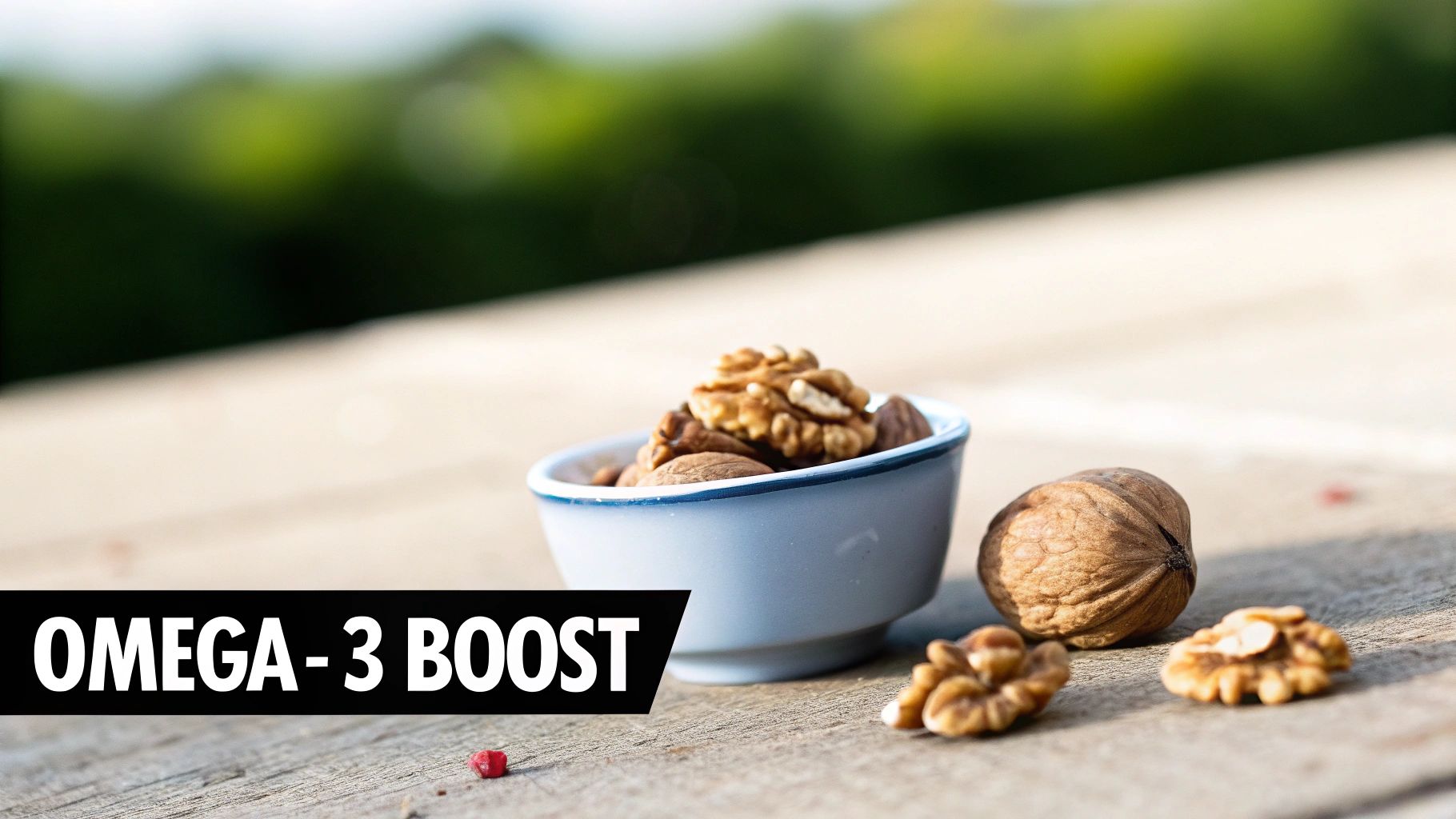
3. Walnuts and Omega-3 Rich Nuts
Celebrated for their brain-boosting properties, walnuts also hold a powerful key to improving male fertility. They are one of the richest plant-based sources of omega-3 fatty acids, specifically alpha-linolenic acid (ALA). This essential fat is crucial for sperm cell membrane structure, making walnuts an excellent addition to a diet of foods that increase sperm count fast.
The body converts ALA into DHA and EPA, two vital omega-3s that are integral to sperm health. These polyunsaturated fats help reduce inflammation, improve blood flow to the reproductive organs, and directly support the development of mature, healthy sperm. In essence, omega-3s are critical for building stronger, more agile sperm cells.
Why Walnuts Are So Effective
The link between walnuts and sperm health is not just theoretical; it's supported by significant scientific research. Their high concentration of ALA, antioxidants like vitamin E, and other micronutrients such as selenium and zinc creates a synergistic effect that directly benefits sperm parameters. Walnuts protect sperm from oxidative damage while providing the foundational fats needed for their development.
Key Insight: A landmark study from UCLA in 2012 found that men who added 75 grams of walnuts (about 2.5 ounces) to their daily diet for 12 weeks saw significant improvements in sperm vitality, motility (movement), and morphology (shape) compared to those who did not.
How to Add Walnuts to Your Diet
Incorporating this fertility-enhancing nut into your daily routine is simple with these actionable next steps:
- Aim for a Target: Consume around 1 ounce (28 grams), which is about a handful or 14 walnut halves, each day to reap the benefits without excessive calories.
- Maximize Nutrient Retention: Choose raw or lightly roasted, unsalted walnuts. Store them in an airtight container in the refrigerator or freezer to prevent their delicate oils from oxidizing and going rancid.
- Enhance Absorption: Sprinkle chopped walnuts over oatmeal, yogurt, or salads. Blend them into smoothies for a creamy texture and nutrient boost.
- Prioritize Variety: While walnuts are a standout, other nuts like almonds and Brazil nuts are also beneficial for men. Almonds are rich in vitamin E, and Brazil nuts are the best natural source of selenium.
Making a simple habit of snacking on walnuts is a practical and effective strategy to provide your body with the essential building blocks for optimal sperm production. To see how these dietary changes impact your fertility, consider tracking your progress with a semen analysis.
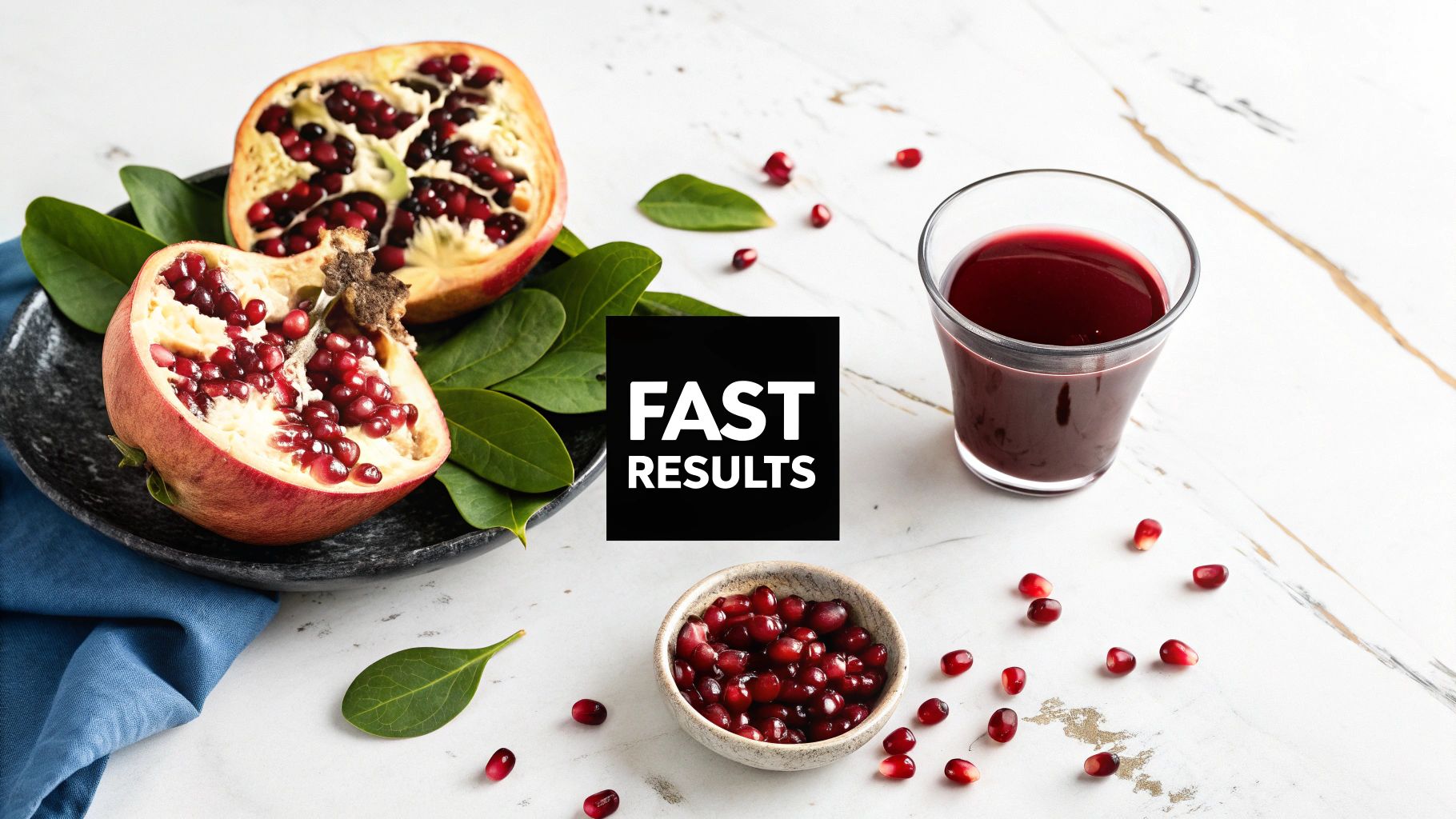
4. Pomegranate and Pomegranate Juice
Long revered as a symbol of fertility, the pomegranate is a powerhouse of antioxidants that can significantly benefit male reproductive health. Its potent compounds, particularly punicalagins and anthocyanins, work to combat oxidative stress, which is a major contributor to sperm damage and low sperm count. This makes pomegranate one of the most effective foods that increase sperm count fast.
The antioxidants in pomegranates protect sperm cells from free radical damage and improve blood flow throughout a man's body, including to the reproductive organs. This enhanced circulation supports optimal testicular function and can even aid in improving erectile function, creating a healthier overall environment for sperm production and vitality.
Why Pomegranate Is So Effective
Pomegranate's unique antioxidant profile makes it one of the quickest-acting dietary interventions for male fertility. Studies have highlighted its ability to not only protect sperm but also to improve key parameters of sperm health. For instance, research has documented noticeable improvements in sperm concentration and motility in men who consumed pomegranate juice daily for just a few weeks. Furthermore, a 2005 study in the International Journal of Impotence Research found that daily consumption of pomegranate juice improved erectile function in male participants.
Key Insight: Evidence suggests that daily intake of pomegranate juice can lead to measurable improvements in sperm concentration, motility, and overall quality in as little as three to four weeks.
How to Add Pomegranate to Your Diet
To leverage the fertility-boosting properties of this fruit, incorporate it into your routine with these actionable next steps:
- Aim for a Target: Consume one 8oz (240ml) glass of 100% pure pomegranate juice daily, or eat the seeds of one to two whole pomegranates per week.
- Maximize Nutrient Retention: Choose juice without any added sugars to avoid counteracting the benefits. If you make your own juice, drink it within 24 hours to ensure you get the maximum antioxidant potency.
- Enhance Absorption: Consuming pomegranate in the morning can provide antioxidant protection throughout the day. The seeds themselves, called arils, are also incredibly nutrient-dense and can be added to salads, yogurt, or oatmeal.
- Prioritize Safety: Pomegranate juice can affect how the body metabolizes certain medications. If you are a man taking prescription drugs, consult with your doctor before adding it to your daily regimen.
By making pomegranate a regular part of your diet, you can take a powerful, proactive step toward improving your sperm health. For men diagnosed with or concerned about a low sperm count, understanding the condition is crucial, and you can learn more about managing low sperm count, or oligospermia.
5. Red and Processed Meat (in Moderation) - L-Carnitine Rich
While often discussed in the context of health risks, moderate and strategic consumption of red meat can be a powerful component in a male fertility diet. Lean red meat, particularly beef and lamb, is one of the richest natural sources of L-carnitine, an amino acid compound vital for sperm energy and development. This makes it a noteworthy addition to the list of foods that increase sperm count fast.
L-carnitine is essential for transporting fatty acids into the mitochondria, the "powerhouse" of every cell. Sperm require enormous amounts of energy to mature properly and to be able to swim effectively (motility). Insufficient L-carnitine can lead to impaired energy production, resulting in low sperm motility and poor development. Red meat also provides a highly bioavailable form of zinc, another cornerstone nutrient for sperm production and testosterone regulation in men.
Why Red Meat Can Be Effective
A single 3-ounce serving of lean beef can provide over 80 mg of L-carnitine, a significant amount that directly supports sperm metabolism. The key is moderation and quality. Unlike processed meats like bacon and sausage, which have been linked to negative fertility outcomes in men, lean, high-quality red meat provides concentrated nutrients critical for sperm health without the harmful additives and preservatives.
Key Insight: Clinical studies have demonstrated that L-carnitine supplementation can significantly improve sperm concentration, total sperm count, and motility, particularly in men with low sperm quality. Sourcing this nutrient through whole foods like lean red meat offers a natural and effective approach.
How to Add Red Meat to Your Diet
To leverage the benefits of red meat for fertility while minimizing potential health risks, follow these targeted guidelines for men:
- Aim for a Target: Limit intake to 2-3 moderate servings per week. A single serving should be around 3-4 ounces, about the size of a deck of cards.
- Choose Lean Cuts: Opt for sirloin, tenderloin, or extra-lean ground beef (90% lean or more). These cuts provide high levels of L-carnitine and zinc with less saturated fat.
- Prioritize Quality: When possible, choose grass-fed beef. It contains higher levels of beneficial omega-3 fatty acids and antioxidants compared to conventionally raised beef.
- Balance Your Plate: Always pair red meat with a large portion of fiber-rich vegetables and whole grains. This creates a balanced meal that supports a man's overall health and nutrient absorption.
- Cook Smart: Avoid charring meat when grilling or pan-searing. Cooking at moderate temperatures helps prevent the formation of harmful compounds that can introduce oxidative stress.
6. Sunflower Seeds and Vitamin E Sources
Often overlooked, sunflower seeds are a nutritional powerhouse for male fertility, primarily due to their exceptional vitamin E content. As a potent fat-soluble antioxidant, vitamin E plays a crucial defensive role, protecting sperm cell membranes from damage caused by oxidative stress. This protection is vital for maintaining sperm integrity, making sunflower seeds one of the most effective foods that increase sperm count fast.
Oxidative stress, caused by an imbalance of free radicals and antioxidants, can wreak havoc on developing sperm, leading to DNA damage, poor motility, and reduced viability. Vitamin E directly neutralizes these free radicals, creating a safer environment for sperm production and maturation. A deficiency in this key nutrient has been consistently linked to impaired sperm function and male infertility.
Why Sunflower Seeds Are So Effective
Just a single ounce (about a handful) of sunflower seeds delivers over a third of the recommended daily intake of vitamin E. This high concentration makes them an easy and efficient way to boost your antioxidant defenses. In addition to vitamin E, these seeds are a good source of selenium, zinc, and healthy fats, all of which contribute to optimal testosterone production and sperm health in men.
Key Insight: Studies have demonstrated that men with high levels of oxidative stress who increased their vitamin E intake through diet saw significant improvements in sperm motility and a reduction in sperm DNA damage within a few months.
How to Add Sunflower Seeds to Your Diet
To harness the protective benefits of these seeds, incorporate them into your daily routine with these actionable next steps:
- Aim for a Target: Consume 1 to 1.5 ounces (28-42g) of unsalted sunflower seeds daily. This amount is sufficient to elevate your vitamin E levels without adding excessive calories.
- Maximize Nutrient Retention: Choose raw or lightly roasted seeds, as high-heat processing can degrade the delicate vitamin E and healthy fats. Store them in an airtight container in the refrigerator to prevent the oils from going rancid.
- Enhance Absorption: Pair sunflower seeds with foods rich in vitamin C, such as berries in a smoothie or bell peppers in a salad. Vitamin C helps regenerate vitamin E, enhancing its antioxidant power.
- Get Creative: Easily add them to yogurt, oatmeal, or smoothie bowls. They also make a great topping for salads or a simple, satisfying snack on their own.
Integrating sunflower seeds is a simple yet powerful strategy for protecting your sperm from cellular damage. To understand your current sperm health baseline, a comprehensive analysis is the most important first step. You can get clear insights into your sperm parameters by ordering a semen analysis.
7. Garlic and Allium Vegetables
More than just a flavor enhancer, garlic has been valued in traditional medicine for centuries for its potent health benefits, including a significant impact on male fertility. Its power lies in unique compounds that actively support sperm production and function, making it an excellent addition to a list of foods that increase sperm count fast.
Garlic and other allium vegetables like onions and leeks contain allicin and selenium. Allicin is a powerful compound known to improve blood flow, ensuring that a man's reproductive organs receive a steady supply of oxygen and nutrients. Selenium, an essential mineral, acts as an antioxidant and is crucial for maintaining proper sperm structure, motility, and overall development.
Why Garlic Is So Effective
Garlic’s primary strength comes from its ability to enhance circulation and protect sperm. The allicin it contains helps relax blood vessels, which can improve blood flow to the testes, creating an optimal environment for sperm production. Additionally, the flavonoid quercetin, found in garlic and onions, has been shown to protect sperm from oxidative damage and improve key parameters like motility and morphology. This dual-action approach makes the allium family a robust choice for boosting male fertility.
Key Insight: Some studies and traditional practices suggest that men who consume one to two raw garlic cloves daily can see improvements in sperm motility and count over a period of eight to ten weeks, highlighting its direct impact on sperm health.
How to Add Garlic to Your Diet
To harness the full fertility-boosting potential of garlic and allium vegetables, follow these actionable next steps:
- Aim for a Target: Consume 1-2 raw garlic cloves per day for maximum benefit. This delivers a potent dose of allicin.
- Maximize Nutrient Retention: For the highest allicin content, crush or mince garlic and let it sit for about 10 minutes before eating or mixing it into food. Cooking can reduce allicin levels by about 50%, so raw is best.
- Enhance Absorption: Pair garlic with a healthy fat source, like olive oil in a salad dressing or guacamole. This helps your body absorb the fat-soluble compounds present in garlic more effectively.
- Prioritize Consistency: Easily add raw, minced garlic to sauces, dips, or consume it with a spoonful of honey to make it more palatable. For men concerned about odor, aged garlic supplements offer some of the same beneficial compounds without the strong scent.
8. Asparagus and Folate-Rich Vegetables
Often overlooked in favor of more exotic "superfoods," humble asparagus is a powerhouse for male fertility. Its primary strength lies in its exceptionally high concentration of folate (vitamin B9), a nutrient that is absolutely vital for DNA synthesis and the creation of healthy sperm. This makes asparagus a key player in the lineup of foods that increase sperm count fast.
Folate is essential for preventing chromosomal abnormalities in sperm. It ensures that the DNA within each sperm cell is copied accurately during spermatogenesis. A deficiency in folate has been directly associated with poor sperm health, including higher rates of sperm with abnormal shapes (morphology) and increased DNA fragmentation, which can pose challenges to male fertility.
Why Asparagus Is So Effective
Just one cup of cooked asparagus delivers approximately 268 mcg of folate, which is over 65% of the recommended daily intake for adult men. This dense nutritional profile makes it an incredibly efficient way to boost your folate levels and support sperm production. Beyond asparagus, other dark leafy greens like spinach, kale, and Brussels sprouts offer similar benefits, along with a host of antioxidants and minerals that protect sperm from cellular damage.
Key Insight: Clinical studies have demonstrated a strong correlation between higher dietary folate intake in men and lower rates of sperm DNA fragmentation. Correcting a folate deficiency can lead to noticeable improvements in sperm quality and morphology in as little as three months.
How to Add Asparagus to Your Diet
To harness the full fertility-boosting potential of this vegetable, consider these actionable next steps:
- Aim for a Target: Consume 1-2 cups of asparagus or other folate-rich greens 4-5 times per week to consistently supply your body with the B vitamins it needs for optimal sperm production.
- Maximize Nutrient Retention: Steam, roast, or lightly sauté asparagus to preserve its heat-sensitive folate content. Boiling can cause a significant portion of the vitamin to leach into the water.
- Enhance Absorption: Drizzle your asparagus with fresh lemon juice or pair it with tomatoes. The vitamin C in these foods helps your body absorb and utilize folate more effectively.
- Incorporate Creatively: Add chopped asparagus to omelets and stir-fries, toss it into salads, or simply roast it with a bit of olive oil and garlic for a simple, powerful side dish.
Integrating asparagus and other green vegetables is a straightforward and effective strategy for building a strong foundation for your reproductive health. To understand how your diet impacts your specific results, consider getting a baseline analysis at a clinic like Hera Fertility.
8 Fast-Acting Foods to Boost Sperm Count — Comparison
| Item | Implementation Complexity 🔄 | Resources & Accessibility ⚡ | Expected Outcomes 📊 | Ideal Use Cases 💡 | Key Advantages ⭐ |
|---|---|---|---|---|---|
| Oysters and Other Shellfish | Low — eat 1–2 servings/week; requires safe handling/sourcing | High cost, seasonal availability; risk of contamination if untrusted source | ↑ Sperm count & motility; measurable in 8–12 weeks; strong zinc bioavailability | Men with low sperm count preparing for retest | ⭐ Very high bioavailable zinc + selenium; multi-nutrient |
| Dark Chocolate and Cacao | Very low — 30–40g daily; easy to integrate | Affordable and widely available; choose 70%+ cacao to avoid added sugars | Improved motility and blood flow; effects in 4–8 weeks | Men seeking palatable, easy-to-adopt motility support | ⭐ L-arginine + antioxidants; pleasant, high adherence |
| Walnuts and Omega-3 Rich Nuts | Very low — 1oz daily as snack or added to meals | Inexpensive, year-round; store cool to prevent rancidity | Clinically shown ↑ count, motility, morphology over 8–12 weeks | Men with abnormal motility/morphology; vegetarians | ⭐ Plant-based omega‑3 (ALA), arginine, antioxidants; evidence-backed |
| Pomegranate and Pomegranate Juice | Low — 8oz juice or whole fruit daily; convenient | Moderate cost; seasonal variability; select 100% juice to avoid sugars | Fast-acting: improved concentration, motility, erectile function in 2–4 weeks | Men wanting quicker measurable improvements | ⭐ Very high antioxidants; improves nitric oxide and vascular function |
| Red and Processed Meat (Moderation) — L‑Carnitine Rich | Moderate — 2–3 lean portions/week; balance with other foods | Widely available; choose grass‑fed/lean to reduce risks | May ↑ motility within 4–8 weeks when consumed moderately | Men needing bioavailable L‑carnitine/zinc or limited plant options | ⭐ Highly bioavailable L‑carnitine & zinc; complete amino acids |
| Sunflower Seeds and Vitamin E Sources | Very low — 1–1.5oz daily; easy to sprinkle on foods | Low cost, shelf-stable (store cool); suitable for most diets | Antioxidant protection; improved motility over 8–12 weeks | Men with oxidative-stress markers affecting motility | ⭐ High vitamin E & selenium; protects membranes and DNA |
| Garlic and Allium Vegetables | Low — 1–2 cloves raw preferred; cooking reduces some potency | Very low cost and widely available; raw may cause GI/odor issues | Moderate improvements in motility and blood flow in 8–10 weeks | Men with vascular/erectile issues alongside sperm concerns | ⭐ Improves blood flow (allicin), provides selenium and quercetin |
| Asparagus and Folate‑Rich Vegetables | Low — 1–2 cups several times/week; steam/light cook | Affordable, widely available; pair with vitamin C for absorption | Reduces DNA fragmentation and improves morphology in 8–12 weeks | Men with poor morphology or high DNA fragmentation | ⭐ High folate & glutathione for DNA synthesis and protection |
Putting It All Together: Your Next Steps for Optimal Male Fertility
Navigating the path to improved male fertility can feel complex, but as we've explored, your diet is one of the most powerful and direct tools at your disposal. This journey isn't about a single "magic" food; it's about building a consistent, nutrient-dense eating pattern that creates the optimal environment for sperm production. The foods we've detailed, from zinc-packed oysters to antioxidant-rich pomegranates, all contribute essential building blocks for healthy sperm.
Remember, the goal is to fuel your body with the specific vitamins, minerals, and compounds that protect sperm from damage, support their development, and enhance their functional capabilities. Making small, sustainable changes is far more effective than attempting a radical, short-term diet overhaul.
Key Takeaways for Your Male Fertility Journey
Let's distill the most crucial insights from this guide into actionable principles for men:
- Prioritize Foundational Nutrients: Focus on incorporating key nutrients consistently. Zinc (oysters, shellfish), antioxidants like lycopene and flavonoids (pomegranate, dark chocolate), healthy fats like Omega-3s (walnuts), and essential vitamins like Folate (asparagus) and Vitamin E (sunflower seeds) are non-negotiable for a man's sperm health.
- Consistency Over Intensity: The sperm production cycle, known as spermatogenesis, takes approximately 74 days. While you are what you eat, the sperm you produce today reflect the diet and lifestyle choices you made two to three months ago. This timeline is crucial for setting realistic expectations. Don't get discouraged if you don't see immediate changes; your consistency will pay off.
- Adopt a Holistic Approach: Diet is a cornerstone, but it doesn't work in a vacuum. The benefits of these foods that increase sperm count fast are amplified when combined with a supportive lifestyle. This means managing stress, getting regular physical activity, prioritizing sleep, and minimizing exposure to toxins like tobacco and excessive alcohol, which can counteract your nutritional efforts.
- Balance and Moderation are Key: Even beneficial foods should be consumed in moderation. Including L-carnitine from sources like red meat can be advantageous, but it’s about balance, not excess. A varied diet ensures you receive a wide spectrum of nutrients without over-relying on a single source.
Building Your Action Plan
Transforming knowledge into action is the next step. Instead of feeling overwhelmed, start with these actionable steps:
- Weekly Food Goal: Choose one or two foods from our list to incorporate into your meals this week. Maybe it's snacking on walnuts and sunflower seeds or adding garlic and asparagus to your dinner.
- Smart Swaps: Identify one less-healthy snack or meal you typically have and replace it with a fertility-boosting option. Swap a sugary soda for pomegranate juice or a bag of chips for a handful of nuts.
- Beyond the Plate: Consider the bigger picture of male wellness. Hormonal balance is a critical factor in reproductive health. For instance, understanding and applying strategies for boosting testosterone levels can provide complementary benefits to your dietary changes, as testosterone is fundamental to sperm production.
Final Thought: Taking control of your diet is an empowering first step toward understanding and improving your reproductive health. Each nutrient-rich meal is an investment in your future, providing your body with the precise tools it needs to function at its peak. This proactive approach not only supports your male fertility goals but also enhances your overall well-being.
Don't guess when it comes to your fertility. Hera Fertility provides physician-backed, at-home semen analysis and a free AI-powered tool to interpret your existing lab results instantly. Turn complex data into a clear, actionable plan and track how dietary changes are impacting your sperm health over time by visiting Hera Fertility.
Related Resource Articles
-
Your 90-day Diet Plan Improve Sperm: A Practical 2026 Guide
Looking for a 90-day diet plan improve sperm? Get meal ideas, nutrient targets, and a weekly schedule to boost your fertility naturally in 2026!
17 min read
-
A Man's Guide on How to Improve Sperm Health
Discover how to improve sperm health with this practical guide for men. Learn actionable diet, lifestyle, and testing strategies to boost male fertility.
24 min read
-
What Is Male Factor Infertility? A Guide for Men
Struggling with the question of what is male factor infertility? Get clear answers on causes, diagnosis, treatments, and actionable steps for men's health.
23 min read