For men focused on their reproductive health, understanding every component is key. While sperm count and motility often take the spotlight, seminal fluid volume is a critical, yet frequently overlooked, factor. This fluid, which constitutes over 95% of ejaculate, is not just a transport medium for sperm; it's a nutrient-rich, protective environment essential for sperm survival and motility. Low semen volume, also known as hypospermia, can indicate underlying health issues and may present a challenge for men on their fertility journey.
This guide moves beyond generic advice to provide a comprehensive breakdown of three distinct, evidence-based strategies to optimize this crucial aspect of male fertility. We will explore nutritional protocols, impactful lifestyle adjustments, and targeted clinical interventions, offering clear, actionable steps for men ready to take control of their reproductive health.
You will learn specific, practical methods to support seminal vesicle and prostate function, the glands responsible for producing the bulk of your ejaculate. Using objective tracking through a modern semen analysis, like the one offered by Hera Fertility, allows you to measure your progress and see the direct impact of these positive changes, providing a clear path forward.
1. Nutritional Optimization with Antioxidant-Rich Foods and Micronutrient Supplementation
One of the most effective and foundational ways to increase seminal fluid involves a targeted nutritional strategy. The volume and composition of semen are directly influenced by your body's micronutrient status. Key vitamins, minerals, and antioxidants play a crucial role in the function of the seminal vesicles and prostate gland, which together produce over 90% of the ejaculate.
This approach focuses on consuming foods and supplements rich in specific compounds scientifically linked to improved seminal fluid production and sperm health. Antioxidants, in particular, are vital as they combat oxidative stress, a process that can damage sperm DNA and impair the glands responsible for producing seminal plasma. Research consistently shows that men with higher intakes of these key nutrients often have greater ejaculate volumes and better overall sperm parameters.

How It Works: The Science of Seminal Nutrition
Seminal fluid is a complex mixture of fluids from several glands, and its production requires a steady supply of specific building blocks. For instance, the prostate gland secretes a fluid rich in zinc, while the seminal vesicles contribute fructose to nourish sperm. A deficiency in any of these core components can lead to a noticeable decrease in volume.
Antioxidants like vitamins C and E, along with the mineral selenium, protect the developing sperm and glandular tissues from damage caused by free radicals. This protection ensures the male reproductive system functions optimally, leading to fuller, healthier ejaculate. By prioritizing these nutrients, you are providing your body with the essential tools it needs to maximize seminal fluid production.
Actionable Next Steps
To put this strategy into action, you can adopt a food-first approach and complement it with targeted supplementation where needed.
Prioritize Zinc-Rich Foods: Zinc is arguably the most important mineral for male reproductive health. It is essential for sperm production and contributes significantly to the prostatic fluid component of semen.
- Actionable Tip: Aim to include foods like oysters, beef, pumpkin seeds, and lentils in your diet. Just one ounce of pumpkin seeds contains approximately 2.2 mg of zinc. For men with dietary gaps, considering Zinc supplementation can be a reliable way to ensure you meet daily requirements, as it plays a critical role in male reproductive health and testosterone production.
Boost Antioxidant Intake: Combine different sources of antioxidants for a synergistic effect.
- Vitamin C: Found in citrus fruits, bell peppers, and broccoli.
- Vitamin E: Abundant in sunflower seeds, almonds, and spinach.
- Selenium: Brazil nuts are an excellent source; just one or two nuts per day can meet a man's needs.
Incorporate L-Carnitine and Folate: L-carnitine, found in red meat and dairy, supports sperm energy metabolism. Folate, present in leafy greens like spinach and kale, is crucial for sperm development.
Tracking Your Progress with Semen Analysis
Dietary changes take time to manifest in a man's seminal parameters, as a full sperm production cycle takes about 74 days. To objectively measure the impact of your nutritional efforts, a follow-up semen analysis is recommended. After implementing these changes for at least 12 weeks, a comprehensive test from Hera Fertility can provide clear data on changes in volume, concentration, and motility. This allows you to see what’s working and make further adjustments with the help of a healthcare professional. These nutritional optimizations can also positively impact sperm count; you can explore this topic further to understand the connection between diet and overall sperm health. Learn more about increasing sperm count through nutrition.
2. Lifestyle Modifications: Stress Reduction, Sleep Optimization, and Temperature Management
Beyond nutrition, your daily habits and environment play a significant role in male reproductive health. This second method focuses on strategic lifestyle modifications that directly impact the hormonal balance and physiological processes responsible for producing seminal fluid. Key factors like chronic stress, poor sleep, and elevated testicular temperature are known to disrupt this delicate system.
This approach centers on managing these external stressors to create an optimal internal environment for seminal fluid production. The male body's reproductive functions are highly sensitive to physical and psychological strain. Elevated cortisol (the stress hormone) can suppress testosterone, poor sleep disrupts crucial hormone-regulating cycles, and excessive heat can impair the function of the testes and accessory glands. Addressing these three areas is a powerful way to support one of the core ways to increase seminal fluid.

How It Works: The Science of Lifestyle and Semen Production
The male reproductive system thrives on balance. Chronic stress triggers a sustained release of cortisol, which has an antagonistic relationship with testosterone. When cortisol is high, testosterone production is often suppressed, directly impacting the glands that produce seminal plasma and leading to lower ejaculate volume.
Similarly, sleep is when the male body regulates critical hormones, including testosterone, which peaks in the early morning hours. Consistently poor or insufficient sleep disrupts this natural circadian rhythm, compromising hormone levels and, consequently, seminal fluid output. Finally, the testes are located outside the body for a reason: they must remain about 2-3°C cooler than the core body temperature for optimal function. Excessive heat from tight clothing, hot tubs, or prolonged sitting can damage sperm and reduce the efficiency of the seminal vesicles and prostate.
Actionable Next Steps
Implementing these lifestyle changes requires a conscious effort to build healthier routines and habits.
Actively Manage Stress: Reducing stress isn't just about feeling better; it's about lowering cortisol to support healthy testosterone levels.
- Actionable Tip: Integrate daily stress-reduction practices. Using apps like Calm or Headspace for 10-20 minutes of guided meditation has been shown to lower cortisol. Scheduling non-negotiable activities like weekly nature walks or yoga can also be highly effective for men.
Prioritize Sleep Quality and Quantity: Aim for 7-9 hours of quality, uninterrupted sleep per night to support hormonal regulation.
- Actionable Tip: Establish a consistent sleep schedule, even on weekends. Avoid blue light from screens for at least an hour before bed, as it can suppress melatonin production. Use a sleep tracking app or device to identify patterns and areas for improvement.
Regulate Testicular Temperature: Simple changes can prevent testicular overheating and protect seminal fluid production.
- Actionable Tip: Switch from tight-fitting briefs to looser boxer shorts to improve air circulation. Avoid hot tubs, saunas, and placing laptops directly on your lap for extended periods. This is especially important in the 48 hours before a semen analysis test.
Tracking Your Progress with Semen Analysis
Lifestyle adjustments can take several weeks to reflect in a man's semen parameters. The full cycle of sperm production (spermatogenesis) is approximately 74 days, so consistency is key. To see the concrete results of your efforts, a follow-up semen analysis after 8-12 weeks is the best course of action. A comprehensive test from Hera Fertility can precisely measure changes in volume, sperm count, and motility, providing clear feedback on how these lifestyle modifications are working. For a deeper understanding of what influences ejaculate volume, you can learn more about the factors affecting semen volume.
3. Hormone Optimization and Testosterone Management
A highly effective, medically guided strategy to increase seminal fluid is through the assessment and optimization of male hormones. The volume of semen is directly influenced by the endocrine system, particularly testosterone. The hypothalamic-pituitary-gonadal (HPG) axis, the hormonal feedback loop controlling male reproduction, must function correctly for the seminal vesicles and prostate to produce their fluid contributions to ejaculate.
This approach involves identifying and correcting hormonal imbalances that may be suppressing seminal fluid production. Low testosterone, a condition known as hypogonadism, is a primary culprit, often leading to reduced ejaculate volume, lower sperm concentration, and decreased libido. By restoring hormonal balance under medical supervision, men can often see a significant and measurable increase in seminal fluid, with studies showing volume increases of 20-30% within three to six months of treatment.
How It Works: The Science of Hormonal Influence
Testosterone is the primary androgen that stimulates the secretory activity of the male accessory glands, including the seminal vesicles and prostate gland. These glands are responsible for producing the vast majority of seminal fluid. When testosterone levels are insufficient, these glands become less active, resulting in a lower volume of fluid being produced and mixed with sperm during ejaculation.
Hormone optimization aims to correct these underlying issues. This may involve treatments like testosterone replacement therapy (TRT), or medications such as clomiphene citrate and human chorionic gonadotropin (hCG) that stimulate a man's own testosterone production. Research from the American Urological Association has demonstrated that treatments like clomiphene citrate can increase seminal volume by 15-35% in men with low testosterone. For comprehensive understanding of male reproductive health and overall vitality, a testosterone test for male individuals is a critical first step.
Actionable Next Steps
Implementing this strategy requires collaboration with a healthcare professional, typically a urologist or reproductive endocrinologist specializing in male fertility.
Get Comprehensive Hormonal Testing: The first step is to confirm a hormonal imbalance with a blood test. A man should not assume he has low testosterone without lab confirmation. The panel should include total and free testosterone, luteinizing hormone (LH), follicle-stimulating hormone (FSH), prolactin, and estradiol.
Choose the Right Treatment for Male Fertility: If a man is trying to build a family, it's crucial to select a treatment that preserves his sperm production.
- Actionable Tip: Medications like clomiphene citrate or hCG are often preferred over traditional TRT for men seeking to maintain fertility, as they stimulate the body’s natural testosterone and sperm production pathways.
Combine with Foundational Support: For compound effects, integrate hormone optimization with the nutritional and hydration strategies discussed earlier. A well-nourished male body responds more effectively to hormonal treatments.
Adhere to Consistent Monitoring: Hormone therapy requires regular follow-up. This includes monitoring hormone levels, liver enzymes, hematocrit (red blood cell count), and prostate-specific antigen (PSA) every 3-6 months to ensure safety and efficacy.
Tracking Your Progress with Semen Analysis
Objective measurement is key to evaluating the success of hormone optimization. Because hormonal changes take time to affect the male reproductive system, a follow-up semen analysis is the best way to track progress. After 3 to 6 months of consistent treatment, a comprehensive test from Hera Fertility can provide clear data on the changes in semen volume, as well as sperm count and motility. This data allows you and your doctor to see a direct correlation between your hormone levels and your seminal parameters, confirming the treatment's effectiveness and guiding any necessary adjustments.
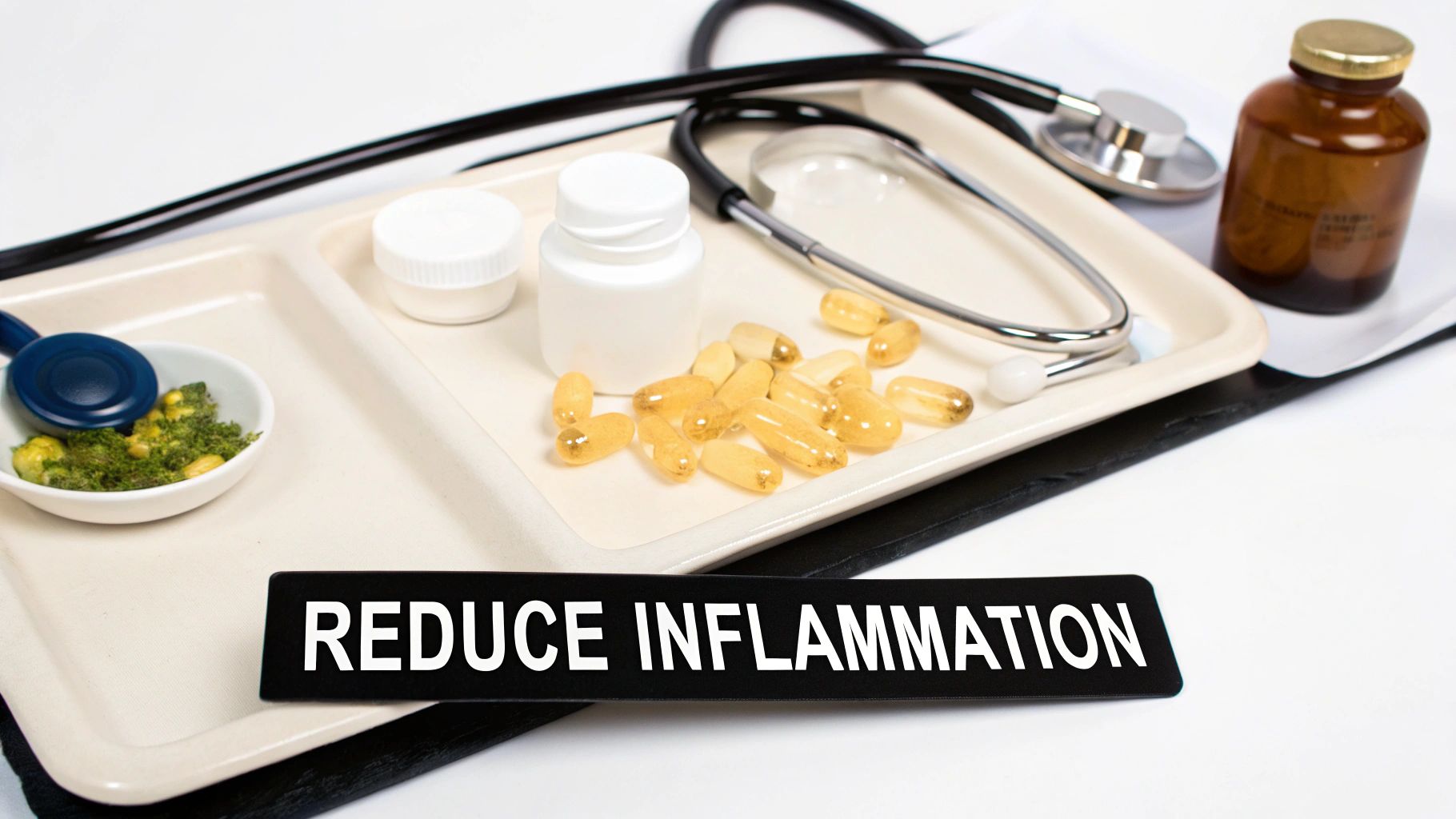
4. Anti-Inflammatory and Infection Management Protocol
A frequently overlooked yet critical factor in seminal fluid volume is the presence of underlying inflammation or infection within the male reproductive tract. Chronic conditions like prostatitis (prostate inflammation), seminal vesiculitis (seminal vesicle inflammation), or epididymitis can directly impair the glands responsible for semen production, potentially reducing ejaculate volume by as much as 30-50%.
This medical approach focuses on identifying and treating these hidden issues. The presence of excess white blood cells in semen, a condition known as pyospermia, often signals an underlying infection or inflammatory response. Addressing these root causes through targeted medical and supplemental protocols can restore normal glandular function and significantly increase seminal fluid, making this one of the most impactful ways to increase seminal fluid for men with these conditions.
How It Works: The Science of Glandular Health
The prostate gland and seminal vesicles are sensitive to inflammation and infection. When these glands are inflamed, their ability to produce and secrete fluid is compromised. An infection introduces bacteria and triggers an immune response, leading to swelling and oxidative stress that further damages the secretory tissues.
Systematic screening through semen cultures and inflammatory marker analysis can pinpoint the exact cause. Once identified, a course of targeted antibiotics can eliminate the infection. Concurrently, an anti-inflammatory protocol using specific supplements or, if prescribed, NSAIDs helps reduce the swelling and oxidative damage. This dual-action approach allows the glands to heal and resume their normal function, leading to a measurable recovery in ejaculate volume. This strategy is highlighted in research from leaders like Dr. J. Curtis Nickel and guidelines from the American Urological Association.
Actionable Next Steps
Implementing this protocol requires a diagnostic approach guided by a healthcare professional. It begins with proper testing to confirm if inflammation or infection is the underlying issue.
Request Comprehensive Semen Analysis: A standard analysis might not include a white blood cell (WBC) count. A man should ask for this specifically. A count of over 1 million WBCs per milliliter is a strong indicator of pyospermia and a potential infection.
Obtain a Semen Culture: If a man's WBC count is elevated, a semen culture is the next step. This test will identify any specific bacteria causing an infection, allowing his doctor to prescribe the most effective antibiotic.
Follow Medical Treatment Precisely: If an infection is confirmed, it is crucial for a man to complete the full course of antibiotics as prescribed, even if he starts to feel better. Stopping early can lead to a recurrence of the infection.
Integrate Anti-Inflammatory Support: Work with your doctor to build an anti-inflammatory plan. This may include:
- Omega-3 Fatty Acids: Supplements from brands like Nordic Naturals have been shown to reduce seminal inflammatory markers.
- Curcumin: Found in turmeric, this compound has powerful anti-inflammatory properties. Look for formulas from reputable brands like Metagenics.
- Pelvic Floor Physical Therapy: In cases of chronic prostatitis, this therapy can be highly effective at reducing pelvic tension and inflammation for men.
Tracking Your Progress with Semen Analysis
Resolving an infection and reducing chronic inflammation can have a profound effect on seminal fluid volume and overall semen quality. To quantify these improvements, a follow-up semen analysis is essential. After completing your full course of treatment (e.g., a 6-week antibiotic regimen), a comprehensive test from Hera Fertility can confirm that the infection has been resolved (by re-checking the WBC count) and measure the subsequent increase in semen volume. This data provides clear evidence of the protocol's success and guides any further steps with your healthcare provider.
5. Assisted Reproductive Technology and Clinical Intervention Strategies
When lifestyle and nutritional changes are not enough to address persistently low semen volume, clinical interventions and assisted reproductive technologies (ART) offer powerful solutions. These medical strategies are designed for men facing specific physiological challenges, such as physical obstructions or neurological conditions that impair ejaculation, directly impacting seminal fluid output.
This approach moves beyond conservative measures and leverages advanced medical procedures to either correct the underlying cause of low volume or maximize the fertility potential of the available ejaculate. For men with diagnosed male factor infertility, these interventions can be the most direct and effective path to achieving their reproductive goals, especially when preparing for treatments like Intrauterine Insemination (IUI) or In Vitro Fertilization (IVF).
How It Works: The Science of Clinical Interventions
Clinical strategies work by either physically restoring the normal flow of seminal fluid or by using specialized lab techniques to concentrate and enhance the available sperm. For instance, an ejaculatory duct obstruction can prevent the majority of seminal fluid from the seminal vesicles and vas deferens from being released, resulting in extremely low ejaculate volume. Surgical correction, like Transurethral Resection of the Ejaculatory Ducts (TURED), can physically clear this blockage.
Other techniques, such as penile vibratory stimulation (PVS), are used for men with certain spinal cord injuries who cannot ejaculate through conventional means. In a laboratory setting, procedures like sperm washing and swim-up techniques are used on low-volume samples to isolate the healthiest, most motile sperm. This processed sample is then concentrated and used for assisted reproduction, making the most of every drop of seminal fluid.
Actionable Next Steps
Pursuing clinical intervention requires close collaboration with a urologist or a reproductive endocrinologist. The first step is always a definitive diagnosis to ensure the treatment matches the underlying cause.
Confirm Obstruction or Dysfunction: Before considering surgery, it's critical to confirm a physical blockage or neurological issue.
- Actionable Tip: A transrectal ultrasound (TRUS) is a common imaging technique used to visualize the ejaculatory ducts and seminal vesicles to identify potential obstructions. This diagnostic step ensures that an invasive procedure is truly necessary for male patients.
Explore Non-Surgical Options First: For ejaculatory disorders not caused by a physical blockage, less invasive methods are often the first line of treatment.
- Actionable Tip: Penile vibratory stimulation is a highly effective, non-invasive option for men with specific neurological conditions. Studies show it helps approximately 85% of men with spinal cord injuries achieve antegrade ejaculation.
Discuss Semen Processing with Your Clinic: If a man is preparing for IUI or IVF, he should understand how the clinic will handle a low-volume sample.
- Actionable Tip: Men should ask their fertility clinic about their specific semen processing protocols, such as swim-up or density gradient centrifugation. These methods can successfully concentrate millions of motile sperm from a small sample, making assisted reproduction feasible.
Tracking Your Progress with Semen Analysis
Objective measurement is crucial when a man is undergoing clinical interventions. A baseline semen analysis establishes his initial volume and other parameters before treatment. A follow-up test after the procedure provides clear evidence of its effectiveness. For example, men undergoing TURED have seen their semen volume increase from as low as 0.3ml to a normal 2-3ml post-operatively. A comprehensive evaluation is the only way to confirm these improvements. To learn more about what is measured and why, you can explore the details of a comprehensive semen analysis.
5-Strategy Comparison: Increasing Seminal Fluid
| Intervention | Complexity 🔄 | Resources ⚡ | Expected outcomes ⭐📊 | Ideal use cases 💡 | Key advantages ⭐ |
|---|---|---|---|---|---|
| Nutritional Optimization with Antioxidant-Rich Foods and Micronutrient Supplementation | Low–Moderate 🔄: meal planning and supplement adherence | Low–Moderate ⚡: food costs, OTC supplements, optional nutritionist | Moderate ⭐📊: ~9–20% semen volume gains; improved count/motility; measurable in 8–12 weeks | Men with dietary gaps, mild–moderate low volume, preconception optimization | Non‑invasive, cost‑effective, systemic health benefits; complements medical care |
| Lifestyle Modifications: Stress Reduction, Sleep Optimization, Temperature Management | Low 🔄: behavior change and routine formation | Minimal ⚡: time, apps, sleep/temperature adjustments | Moderate ⭐📊: measurable improvements in 4–8 weeks (volume, motility, libido) | Men with stress, poor sleep, heat exposure, or mild semen abnormalities | Immediate implementation, no meds, improves overall well‑being; synergistic with other interventions |
| Hormone Optimization and Testosterone Management | High 🔄: lab panels, specialist oversight, tailored prescriptions | High ⚡: endocrinology/urology visits, hormone meds, serial lab monitoring | High ⭐📊: 20–50% volume increases typical; clinical hormone/lab improvements in 3–6 months | Men with confirmed hypogonadism or abnormal HPG axis tests; severe low volume from hormonal causes | Addresses root endocrine causes, clinically proven, improves libido/energy; measurable via labs |
| Anti‑Inflammatory and Infection Management Protocol | Moderate–High 🔄: diagnostic cultures, targeted antibiotics, possible PT | Moderate ⚡: labs, antibiotics, supplements, specialist consultation | High ⭐📊: 30–60% volume recovery if infection present; antibiotics act in 2–6 weeks, supplements take longer | Men with elevated semen WBCs, prostatitis/epididymitis signs, or culture‑confirmed infection | Treats identifiable pathology, rapid improvement with appropriate therapy, objective lab markers |
| Assisted Reproductive Technology and Clinical Intervention Strategies | Very High 🔄: surgical/procedural complexity and lab processing | Very High ⚡: fertility clinic access, specialized equipment, procedural costs | High ⭐📊: enables pregnancy despite low volume; restores or circumvents obstruction; immediate ART‑ready samples | Men unresponsive to conservative/medical treatments, ejaculatory dysfunction, obstruction, or preparing for IUI/IVF | Directly enables ART, surgical correction possible, maximizes usable sperm from low‑volume ejaculates |
Your Next Steps: Taking Action and Tracking Progress
You have now explored the core pillars of enhancing male reproductive health, focusing on the powerful and actionable 3 ways to increase seminal fluid. This journey isn't about isolated quick fixes; it's about building a comprehensive strategy that addresses a man's foundational needs. We have unpacked how nutritional optimization, strategic lifestyle modifications, and, when necessary, targeted clinical interventions all work in concert to support optimal seminal fluid production.
The most critical takeaway is that a man's reproductive health is dynamic. The choices a man makes every day, from the food on his plate to the quality of his sleep, directly influence his fertility potential. By focusing on an antioxidant-rich diet, managing stress, and protecting his body from overheating, a man creates an environment where his reproductive system can thrive. This proactive approach not only supports his immediate goals but also contributes to his long-term vitality and well-being.
From Knowledge to Action: A Personalized Plan for Men
Understanding these strategies is the first step, but real progress comes from implementation and measurement. The key to success lies in creating a personalized action plan based on your unique circumstances and, most importantly, on objective data. Without a clear starting point, you are navigating without a map.
Here’s a simple, actionable framework to get started:
- Establish Your Baseline: Before making any changes, get a comprehensive semen analysis. This provides the crucial data needed to understand your current seminal fluid volume, sperm count, and other vital male fertility parameters. This isn't guesswork; it's the foundation of your entire strategy.
- Implement and Commit: Choose one or two strategies from this guide to implement consistently. Whether it’s integrating zinc-rich foods and L-arginine supplements or committing to a nightly stress-reduction routine, consistency over a period of 8-12 weeks is essential for seeing measurable results.
- Track and Measure: After consistently applying your chosen strategies, re-test to measure the impact. Objective data will show you what’s working and where you might need to adjust your approach. This cycle of implementation and measurement transforms your efforts from hopeful guesses into a targeted, effective plan.
Mastering these concepts puts you in the driver's seat of your fertility journey. By combining proactive lifestyle improvements with data-driven insights, you can confidently take control of your reproductive health. The goal is not just to see an improvement in numbers but to foster a state of overall wellness that supports a man's fertility goals now and in the future.
Ready to stop guessing and start measuring? The first step in any plan to increase seminal fluid is knowing your baseline. Hera Fertility provides a clinical-grade, at-home semen analysis that translates complex data into a simple, actionable Hera SmartScore, making it easy to track your progress. Order your kit today and take the first concrete step toward optimizing your reproductive health.
Related Resource Articles
-
How to increase sperm volume overnight: Practical tips for male reproductive health
Discover how to increase sperm volume overnight with practical tips on hydration, nutrition, and timing to boost male fertility.
13 min read
-
Foods That Increase Semen Volume: An Evidence-Based Guide (Not Just Sperm Count)
No single food dramatically boosts semen volume. See which nutrients support semen production, how hydration fits in, and when to get tested.
10 min read
-
10 Proven Ways to Boost Testosterone Naturally for Male Fertility in 2025
Discover 10 actionable ways to boost testosterone naturally. Our guide covers diet, exercise, and lifestyle changes to support male reproductive health.
25 min read