Navigating the path to fatherhood often raises many questions about male fertility. It's a topic frequently surrounded by myths and uncertainty, leaving many men wondering where they stand. Male factor infertility is a significant aspect of conception challenges, yet it's often the last aspect to be evaluated. Proactively understanding your reproductive health is a powerful step, and a semen analysis is the definitive way to get clear answers. This guide is designed for men, providing straightforward information without confusing medical jargon.
We will explore 6 signs it might be time to get your sperm tested, breaking down what each one means for you. Knowing these indicators empowers you to take control, seek answers, and make informed decisions about your health and future family plans. Beyond natural factors, lifestyle choices and medical treatments also play a significant role. For men considering or undergoing hormone therapy, it's critical to understand how Testosterone Replacement Therapy (TRT) can impact sperm count, as this is a common factor in fertility assessments. This article will provide the actionable insights you need to move forward with confidence. Let's dive into the key indicators that a sperm test should be on your radar.
1. Difficulty Conceiving After 12 Months of Trying
This is the most common and clear-cut sign that it might be time to get your sperm tested. The established medical guideline recommends a male fertility evaluation if you have been having regular, unprotected intercourse for one full year without conceiving. This timeline is considered the standard benchmark for investigating potential fertility hurdles.
For men over 35, this timeframe is often shortened to six months. The primary reason for this accelerated timeline is that male fertility can change with age, making an earlier investigation more proactive and effective for planning next steps.
Why This Is a Critical First Step
Historically, fertility challenges were often perceived as primarily a female issue. However, modern reproductive science has shown this to be definitively untrue. Male factors are a significant component in many cases of conception difficulty. A semen analysis is a non-invasive, straightforward, and foundational test that provides a clear picture of your reproductive health.
Key Insight: Waiting longer than the recommended 12-month (or 6-month) period without getting tested can lead to unnecessary emotional stress and delay effective family-building strategies. Addressing potential male factors early is one of the most impactful steps you can take.
Actionable Next Steps
If you've reached the 12-month or 6-month mark, it's time to take action. Procrastination only prolongs uncertainty.
- Get Tested Promptly: Don't wait for a specialist appointment that could be months away. You can get a physician-signed lab requisition quickly and discreetly. This allows you to schedule your test at a local lab without the typical delays, putting crucial information in your hands sooner.
- Understand Your Results: A standard lab report can be confusing. Seeking a clear interpretation is vital. A detailed breakdown of your sperm count, motility (movement), and morphology (shape) will tell you precisely what you're working with.
- Create a Plan: Once you have a clear understanding of your fertility status, you can work with a specialist to develop a comprehensive plan. This proactive approach ensures you are moving forward with a strategy grounded in data, not guesswork.
Getting a clear baseline of your reproductive health is an essential part of the conception journey. For a deeper dive into what the test involves, learn more about the semen analysis process on herafertility.co.
2. Low Sperm Count (Oligozoospermia)
Oligozoospermia, or low sperm count, is defined as having fewer than 15 million sperm per milliliter of ejaculate, according to the World Health Organization (WHO) 2021 criteria. This is one of the most frequently identified issues in male fertility evaluations. Because low sperm count rarely presents with any outward or obvious symptoms, a semen analysis is the only definitive way to diagnose the condition and understand its severity.
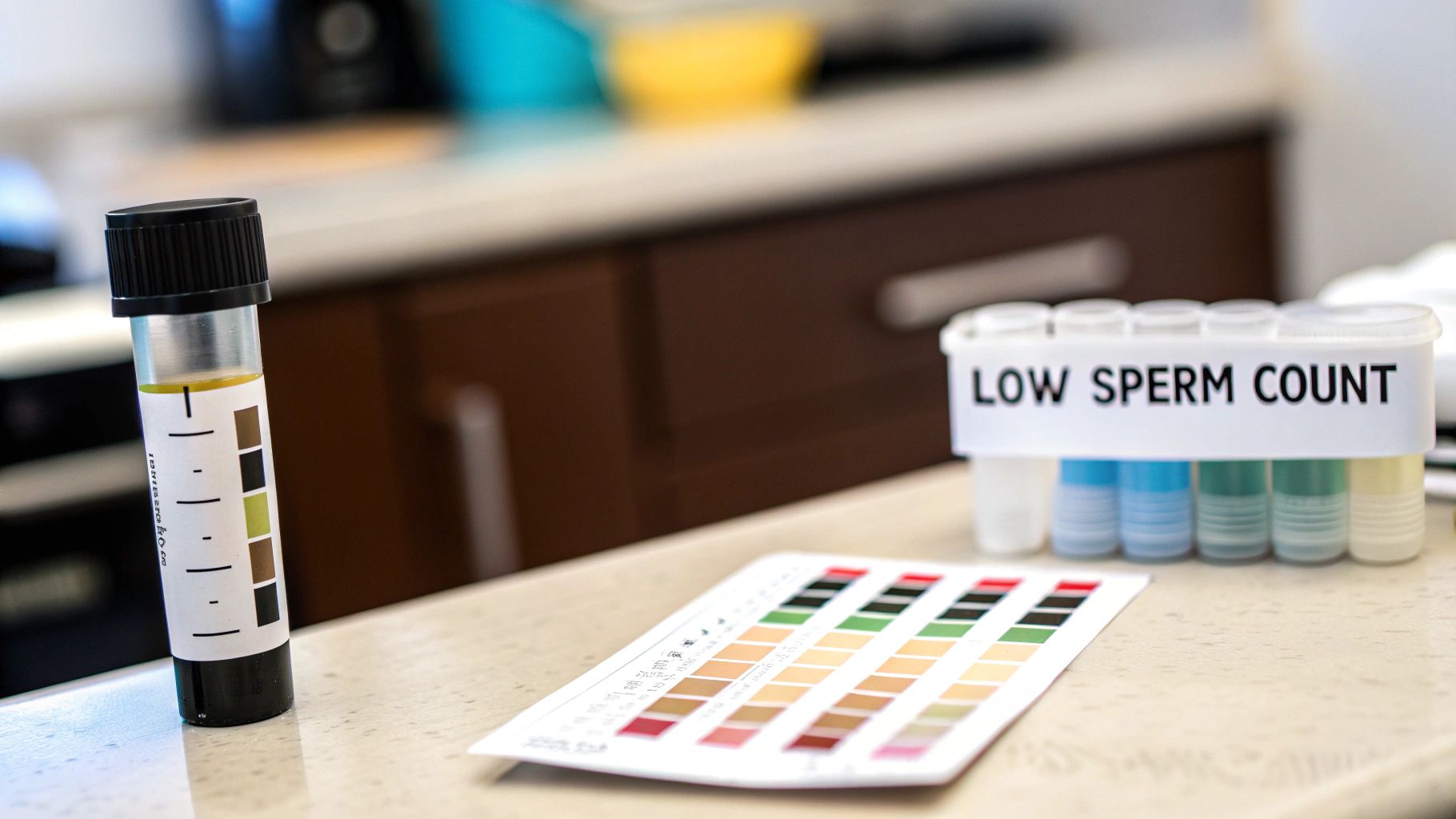
This condition can be caused by a wide range of factors, including hormonal imbalances, testicular issues like a varicocele, infections, lifestyle choices, or even genetic predispositions. Identifying a low count is a crucial sign that further investigation is needed to pinpoint the underlying cause and determine the best path forward.
Why This Is a Critical Metric to Understand
Sperm count is a fundamental pillar of male fertility. While it only takes one sperm to achieve fertilization, having a higher concentration increases the statistical probability of successful conception with each attempt. A lower-than-normal count significantly reduces these odds, making it a primary focus of any fertility workup.
The good news is that sperm count is a dynamic metric that can often be improved. For instance, men with a varicocele may see their count increase after surgical repair, while those with obesity-related oligozoospermia can experience improvements after achieving a 10-15% weight loss. Understanding your baseline is the first step toward making these targeted, effective changes.
Key Insight: A low sperm count is not a final diagnosis of infertility; it's a starting point. It provides a clear, data-driven reason to investigate further and implement strategies that can directly improve your reproductive potential.
Actionable Next Steps
If you suspect or have been told you have a low sperm count, a proactive and structured approach is essential. Don't leave your fertility to chance.
- Confirm Your Baseline: The first step is to get a formal semen analysis to confirm the diagnosis. A physician-approved test will provide accurate, clinical-grade data on your sperm concentration, giving you a reliable number to work from.
- Implement Lifestyle Changes: Address manageable factors immediately. Maintain a healthy weight through diet and exercise, reduce heat exposure to the testicles by avoiding hot tubs and tight underwear, manage stress, and avoid smoking and excessive alcohol.
- Consult a Specialist: If your count remains low after initial lifestyle adjustments, or if it is severely low, consult a urologist specializing in male fertility. They can conduct a physical exam and further testing to identify underlying causes like varicoceles or hormonal issues that may require medical intervention.
A comprehensive test will provide a clear picture of your sperm count and other vital parameters. To better understand all the metrics involved, you can get a detailed guide on how to read your semen analysis results on herafertility.co.
3. Poor Sperm Motility (Asthenozoospermia)
Sperm motility refers to the ability of sperm to move or "swim" effectively. Asthenozoospermia is the medical term for when a significant portion of your sperm has reduced movement, making it difficult for them to travel toward their destination. According to the World Health Organization (WHO), at least 42% of sperm in a sample should be moving, with a good percentage of those moving forward in a progressive manner.
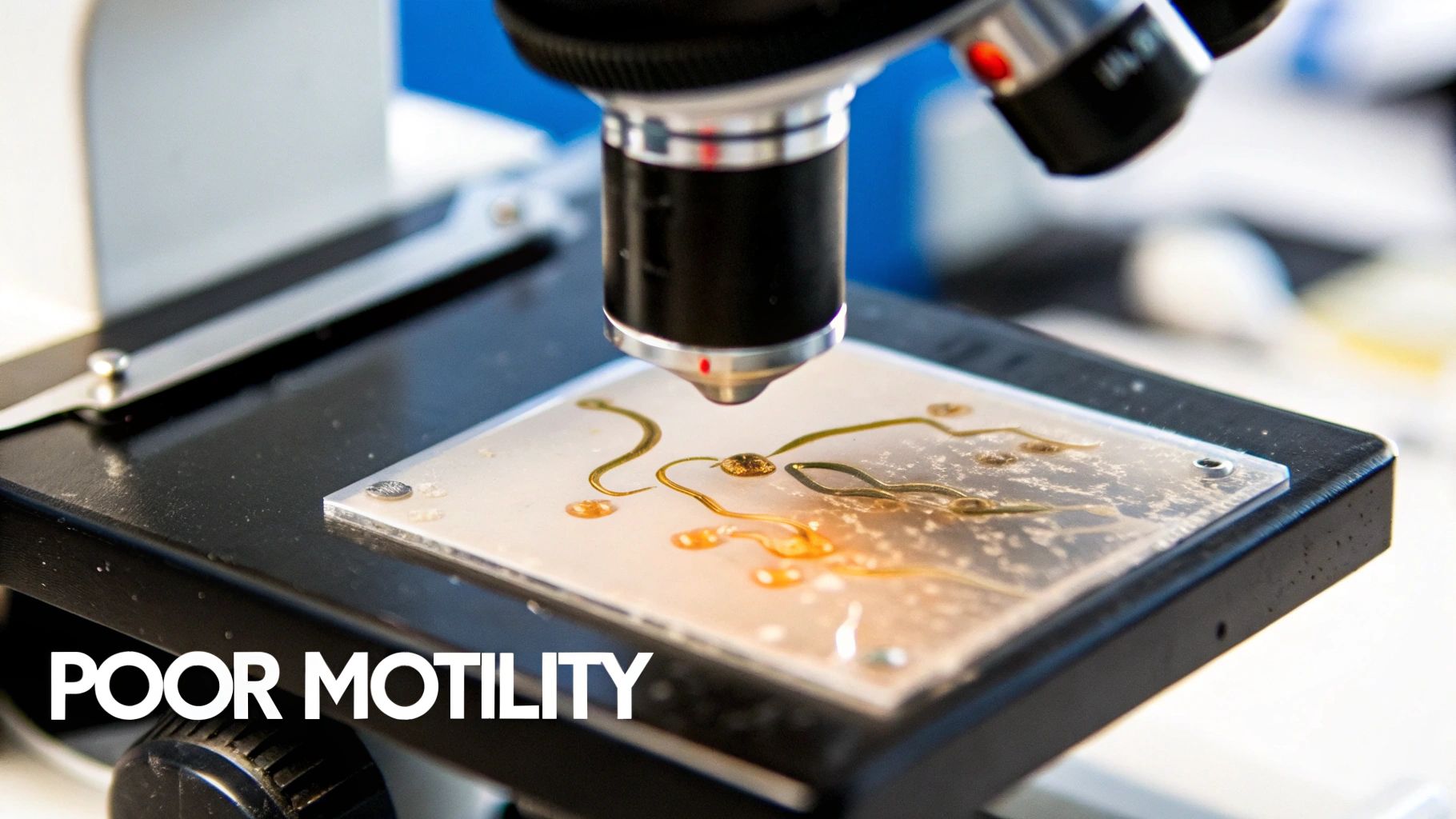
Unlike sperm count, motility issues are often highly responsive to targeted lifestyle changes and medical treatments. This parameter is a critical indicator of your reproductive health because even with a high sperm count, poor motility can be a significant barrier to conception. Factors like oxidative stress, infections, hormonal imbalances, or even prolonged heat exposure can negatively impact sperm's swimming ability.
Why Motility Is a Key Fertility Indicator
Sperm have a long and challenging journey to complete, and strong, forward movement is essential for success. Poor motility is one of the most common factors contributing to male infertility, but the good news is that it is often one of the most improvable. For example, men with motility issues caused by oxidative stress have seen significant improvements after supplementing with antioxidants like CoQ10 and L-carnitine. Similarly, addressing an underlying infection with antibiotics can restore normal sperm movement.
Key Insight: Motility is a dynamic aspect of your sperm health that can often be improved. Identifying poor motility through a semen analysis provides you with a clear, actionable area to focus on for boosting your fertility potential.
Actionable Next Steps
If you suspect or discover you have poor sperm motility, you can take immediate and proactive steps to address it. A targeted approach is far more effective than guessing.
- Get a Detailed Motility Analysis: A standard semen analysis will provide a motility percentage. A more advanced breakdown can give you a deeper understanding of your specific motility patterns, such as progressive versus non-progressive movement.
- Implement Proven Lifestyle Changes: Focus on areas known to impact sperm movement. This includes maintaining a healthy weight, exercising regularly, reducing heat exposure (like from hot tubs or tight underwear), and managing stress.
- Consider Targeted Supplementation: After consulting with a specialist, antioxidants such as CoQ10, L-carnitine, vitamin E, and selenium have been shown to improve sperm motility.
- Retest to Track Progress: Sperm take about three months to fully mature. After implementing changes for this duration, get retested to measure the impact of your efforts and adjust your plan accordingly.
Understanding the specifics of your sperm movement is crucial. For an in-depth look at what affects sperm movement and how to improve it, read this complete guide to sperm motility.
4. Abnormal Sperm Morphology (Teratozoospermia)
While sperm count and movement are often discussed, the shape and structure of sperm, known as morphology, play a crucial role in a man's fertility. Teratozoospermia is the medical term for a high percentage of abnormally shaped sperm, which can impact its ability to achieve fertilization. According to the World Health Organization (WHO), a normal sample should have at least 4% of sperm with a standard shape.
Abnormalities can include a variety of defects like double heads, bent tails, or misshapen midpieces. These issues can arise from genetic factors, excessive heat exposure, infections, hormonal imbalances, or testicular trauma. If you have been diagnosed with this condition or suspect it based on other health factors, getting a detailed semen analysis is a key step.
Why Morphology Matters in Context
Historically, poor morphology was seen as a major barrier to conception. However, modern understanding shows that its importance is best evaluated in combination with other sperm parameters like count and motility. A high number of abnormally shaped sperm can be a significant hurdle, but it doesn't automatically mean natural conception is impossible.
A comprehensive analysis provides a complete picture of your reproductive health. For instance, a man might discover that his poor morphology, initially flagged at one lab, was less clinically significant when re-tested at a higher-quality facility. This is why standardized, high-quality testing is so important.
Key Insight: Don't panic over a morphology result in isolation. Its true impact on your fertility is best understood when considered alongside your sperm count and motility. This complete picture prevents unnecessary stress and guides more effective treatment strategies.
Actionable Next Steps
If you receive a report showing abnormal morphology, it's not a dead end. It’s a signal to take specific, targeted actions to understand the cause and improve your chances of conception.
- Confirm with a High-Quality Test: Ensure your analysis is performed at a CLIA-certified lab. Lab quality can significantly impact morphology assessment, so a reliable test is your first priority.
- Understand the Complete Picture: A standard lab report might just give you a percentage. A detailed breakdown that evaluates morphology alongside count and motility, offers a much clearer view of your overall fertility status.
- Implement Targeted Lifestyle Changes: Many factors causing poor morphology can be addressed. Focus on reducing heat exposure (e.g., avoiding hot tubs), improving your diet with antioxidants, and managing stress. These same interventions often help improve motility and overall sperm health.
- Discuss Advanced Options: For men with persistently severe teratozoospermia, advanced reproductive technologies can be highly effective, as certain techniques can help a single healthy sperm achieve fertilization.
Understanding your sperm morphology is a vital piece of the fertility puzzle. To learn how a detailed analysis can provide clarity, learn more about the semen analysis process on herafertility.co.
5. Absence of Sperm in Ejaculate (Azoospermia)
This is one of the most serious and direct signs that a sperm test is urgently needed. Azoospermia is the medical term for the complete absence of sperm in the ejaculate, a condition that makes natural conception impossible. It accounts for approximately 10-15% of all male infertility cases and requires immediate and specialized medical investigation.
There are two primary types of azoospermia. Obstructive azoospermia occurs when sperm are produced normally in the testicles but are blocked from being released due to an obstruction, such as from a previous vasectomy. Non-obstructive azoospermia happens when the body has a severe problem with sperm production itself.
Why This Is a Critical First Step
Discovering zero sperm in a semen analysis is a critical diagnosis that demands a clear, expert-guided plan. Unlike issues of low count or poor motility which may be improved with lifestyle changes, azoospermia often points to an underlying anatomical, genetic, or hormonal issue. A semen analysis is the only definitive way to identify this condition.
Delaying a diagnosis of azoospermia means losing valuable time that could be spent on effective treatments. For example, some obstructive cases can be surgically corrected, while non-obstructive cases may still allow for fatherhood through advanced procedures like testicular sperm extraction.
Key Insight: Azoospermia is not necessarily a definitive end to biological fatherhood. However, it is an urgent medical sign that requires a prompt and thorough evaluation by a urologist specializing in male fertility to determine the cause and explore all available pathways to parenthood.
Actionable Next Steps
Receiving an azoospermia diagnosis is a significant moment, but it's the beginning of a proactive investigation, not the end of the road. Swift, informed action is key.
- Confirm the Diagnosis: Because this is a critical finding, a second semen analysis should always be performed to confirm the result. A single test result is not enough to make a final diagnosis.
- Seek Specialist Consultation: An urgent consultation with a reproductive urologist is essential. They can order further diagnostic tests, including hormone panels (FSH, LH, testosterone) and a scrotal ultrasound, to differentiate between obstructive and non-obstructive causes.
- Explore Advanced Options: Depending on the cause, your specialist may recommend genetic testing or advanced reproductive techniques. Procedures like testicular sperm extraction (TESE) can often retrieve sperm directly from the testicles for use in advanced fertility treatments, even when none are present in the ejaculate.
Identifying the cause of azoospermia is the first step toward a solution. For a clear understanding of the diagnostic process, learn more about the semen analysis process on herafertility.co.
6. Recent Varicocele Diagnosis or Scrotal Pain/Swelling
Discovering you have a varicocele, an enlargement of the veins within the scrotum, is a definitive sign to get your sperm tested. This condition is found in about 15% of all men but is present in up to 40% of men experiencing infertility. A varicocele can disrupt the delicate environment needed for healthy sperm production by raising scrotal temperature, altering blood flow, and increasing oxidative stress.
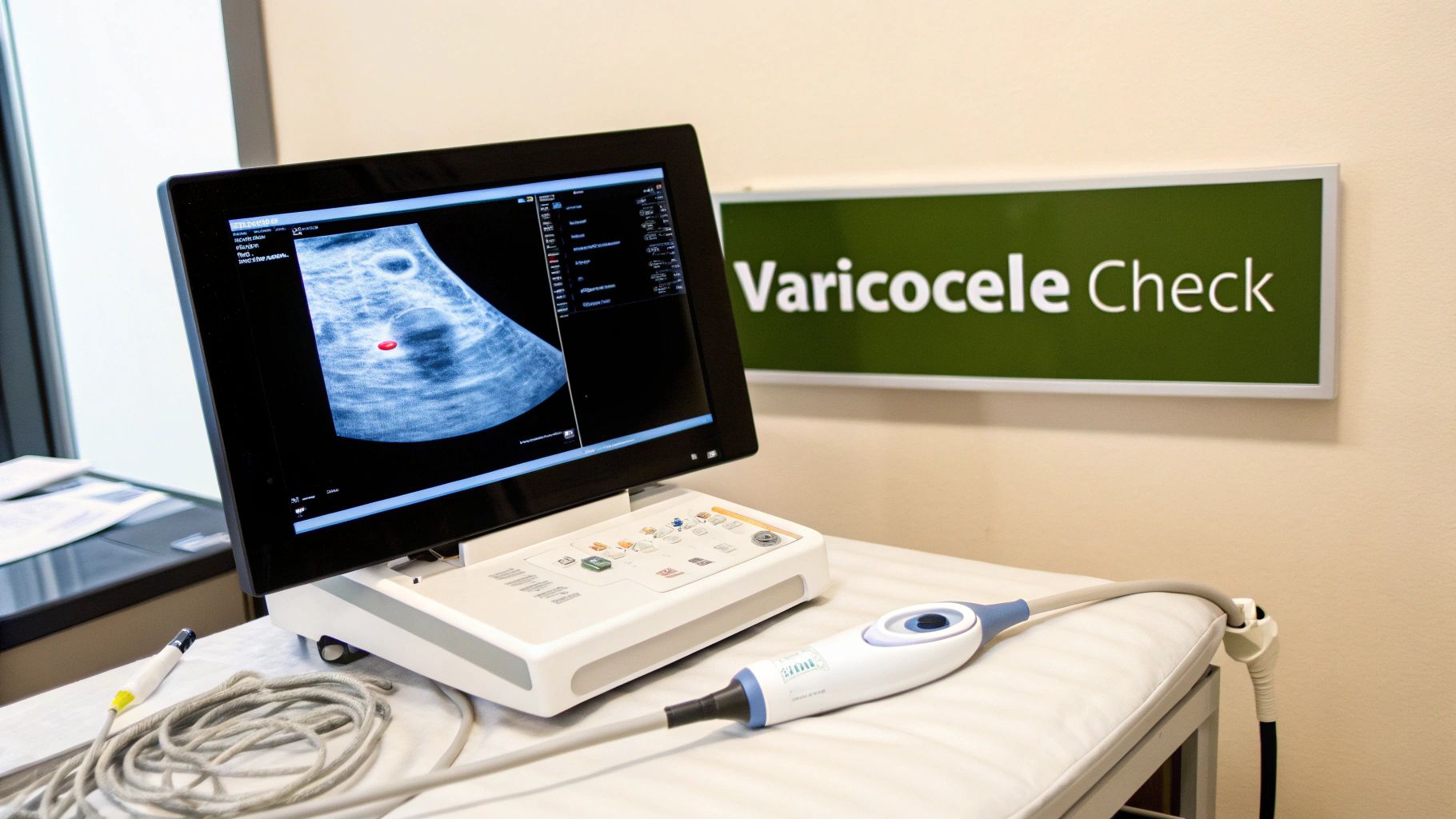
While some men experience symptoms like a dull ache, a feeling of heaviness, or visible "bag of worms" veins, many have no symptoms at all. A varicocele is often identified during a routine physical exam or confirmed with a scrotal ultrasound. Regardless of whether you feel symptoms, the potential impact on your fertility makes a semen analysis an immediate and necessary diagnostic step.
Why This Is a Critical First Step
A varicocele diagnosis without a semen analysis is an incomplete picture. The grade or size of the varicocele does not always correlate with its impact on sperm health; some small varicoceles cause significant damage, while some large ones do not. A semen analysis provides the objective data needed to understand if the varicocele is actively harming your sperm count, motility, or morphology.
This information is essential for making an informed decision about treatment. For example, surgical repair (varicocelectomy) is a proven method for improving semen parameters, with many men seeing significant boosts within three to six months post-procedure. Without a baseline test, you cannot measure the success of the treatment or determine if it was necessary in the first place.
Key Insight: Don't assume a varicocele is or isn't affecting your fertility. A semen analysis is the only way to quantify its impact and provides the crucial baseline needed to track improvement after any potential treatment.
Actionable Next Steps
If you've been diagnosed with a varicocele or have persistent scrotal pain or swelling, take these direct steps to protect your reproductive health.
- Get a Baseline Semen Analysis: This is your top priority. Use a service that provides a quick lab order to get tested without delay. This baseline test will reveal the direct impact the varicocele is having on your sperm production.
- Consult a Urologist: Discuss your semen analysis results with a urologist who specializes in male fertility. They can explain the potential benefits of varicocele repair and what kind of improvement you might expect.
- Track Your Progress: If you proceed with treatment, plan to retest your sperm at the 3-month and 6-month marks post-surgery. This follow-up testing is the only way to confirm that the intervention was successful and that your sperm parameters are improving.
By acting quickly, you can move from diagnosis to a clear, data-driven action plan. For more details on the testing process, learn more about the semen analysis process on herafertility.co.
6-Point Comparison: When to Get Sperm Tested
| Item | 🔄 Implementation complexity | ⚡ Resource requirements | 📊 Expected outcomes | 💡 Ideal use cases | ⭐ Key advantages |
|---|---|---|---|---|---|
| Difficulty Conceiving After 12 Months | Low — guideline-based trigger to initiate testing | Low–moderate — semen analysis requisition, physician consult; streamlined services shorten wait times | 📊 Early identification of male factor; improves time-to-diagnosis | Men trying to conceive for >12 months (or >6 months if over 35) | ⭐ Clear, actionable timeframe that prompts timely evaluation and testing |
| Low Sperm Count (Oligozoospermia) | Moderate — requires repeat testing and diagnostic workup | Moderate — lab analyses, lifestyle interventions, possible urology consult, treatments | 📊 Often treatable or manageable; variable timeline (≥3 months) for improvement | Men with low concentration on semen analysis or infertility history | ⭐ Many reversible causes; responsive to lifestyle change and treatable when needed |
| Poor Sperm Motility (Asthenozoospermia) | Moderate — measurement-sensitive and may need targeted interventions | Moderate — semen analysis, antioxidants, lifestyle changes, possible medical/urology care | 📊 Frequently improves within 3–6 months with targeted treatment | Men with low progressive motility on analysis or oxidative-stress indicators | ⭐ High responsiveness to lifestyle/supplement interventions |
| Abnormal Sperm Morphology (Teratozoospermia) | Moderate–high — requires specialized lab assessment and expert interpretation | Moderate — certified lab testing, possible repeat analyses, genetic or specialist consults | 📊 Less predictive alone; useful in context with count and motility | Cases with abnormal morphology plus other abnormal semen parameters or unexplained infertility | ⭐ Adds structural insight to overall fertility profile; standardized analysis improves clinical relevance |
| Absence of Sperm in Ejaculate (Azoospermia) | High — urgent, multi-step diagnostic pathway required | High — repeat semen tests, hormonal assays, scrotal imaging, genetic testing, possible biopsy/TESE and specialist care | 📊 Definitive finding that directs immediate specialist management; outcomes vary by cause | Any semen analysis showing no sperm | ⭐ Clear diagnostic indicator that enables targeted, often specialist-led treatment options |
| Recent Varicocele Diagnosis or Scrotal Pain/Swelling | Moderate — clinical exam ± ultrasound and decision-making based on semen results | Moderate — ultrasound, possible surgical repair or embolization, follow-up semen testing | 📊 Many men show semen-parameter improvement within 3–6 months post-repair | Men with diagnosed varicocele and abnormal semen parameters or symptomatic scrotal pain | ⭐ Proven surgical intervention that often improves sperm quality and natural conception chances |
Your Next Steps: Taking Action with Confidence
Navigating the path to understanding your reproductive health can feel complex, but recognizing the signs we've discussed is a powerful first step. Whether you've been trying to conceive for over a year, have concerns about a recent varicocele diagnosis, or simply want to establish a baseline for your future, knowledge is your greatest asset. Each of the 6 signs it might be time to get your sperm tested serves as a crucial indicator, pointing you toward clarity and proactive management of your health.
The key takeaway is that you are in control. Observing a potential issue is not a conclusion but an invitation to investigate further. A comprehensive semen analysis provides the definitive data needed to move beyond speculation and into actionable insights. It transforms uncertainty into a clear, evidence-based understanding of your sperm health, covering critical parameters like count, motility, and morphology.
From Observation to Actionable Insight
Making the decision to get tested is a significant milestone. The next phase involves turning that decision into a simple, stress-free action. Waiting for specialist appointments or trying to decode complex lab reports can create unnecessary barriers. The goal is to get a clear picture of your fertility status efficiently, so you can make informed decisions.
This is where modern solutions become invaluable. Instead of a confusing and lengthy process, you can now access testing that is:
- Accessible: Get a physician-authorized lab order online in minutes.
- Convenient: Choose from a wide network of certified labs near you.
- Clear: Receive results that are easy to understand, not filled with medical jargon.
- Actionable: Get a personalized plan based on your specific results.
Embracing this proactive approach empowers you to take charge of your reproductive journey. It replaces anxiety with answers and provides a concrete foundation for any future steps, whether that involves lifestyle adjustments, medical consultation, or simply peace of mind. Getting your sperm tested is a definitive move toward building the future you envision, armed with confidence and clarity.
Ready to move from uncertainty to clarity? Hera Fertility provides a seamless, physician-approved semen analysis process, delivering an easy-to-understand Hera SmartScore and a personalized action plan. Get your physician-authorized lab order in minutes or upload an existing report for a free, instant analysis today.
Related Resource Articles
-
7 Resources for Finding the Top Fertility Clinics in USA for Men in 2026
Searching for the top fertility clinics in USA specializing in men's health? Discover 7 key resources to find expert care for male factor infertility.
24 min read
-
Clomid Side Effects in Men: Mood, Sleep, Sperm & Safety
Learn how clomiphene can affect men, including mood, sleep, energy, vision, and semen results—plus dosing-time guidance and monitoring questions to ask.
11 min read
-
8 Male Infertility Signs and Symptoms Men Shouldn't Ignore in 2026
Discover key male infertility signs and symptoms, from hormonal issues to sexual dysfunction. Learn when to test and what your results mean for men's health.
22 min read