If you're trying to wrap your head around male fertility, picture it like a cross-country race. For the runners—your sperm—to even have a shot at the finish line, they need to be strong, determined swimmers. That, in a nutshell, is sperm motility: the ability of sperm to swim forward with purpose.
This guide is designed to give men a clear, supportive overview of this critical aspect of their reproductive health.
Why Sperm Motility Is a Key Player in Male Fertility
Sperm motility is one of the most critical pieces of the male fertility puzzle. A high sperm count is a great start, but if those sperm can't swim properly, they simply won't make it to their destination. It’s like having a full team of runners who are stuck at the starting block.
This forward momentum is absolutely essential for conception. So, getting a clear picture of your sperm's swimming ability is a fundamental step in taking charge of your reproductive health.
The Importance of Time-Sensitive Testing
When it comes to getting an accurate read on sperm motility, the clock is ticking from the moment of collection. This is why, if you're searching for a "semen analysis near me" and plan to collect your sample at home, getting it to the lab quickly is non-negotiable. The sample should ideally arrive within 30 minutes, and almost always within a 60-minute window.
Why the rush? Because motility drops quickly.
- First 30-60 minutes: Motility typically stays stable or can even increase slightly as the sample liquefies (semen starts out coagulated and becomes fluid). This is the best window for analysis.
- 1-3 hours: A gradual decline begins. Progressive motility starts converting to non-progressive, and some sperm become immotile. The rate varies by sample quality—healthier samples hold up longer.
- 3-6 hours: A more noticeable drop-off occurs. Most labs want to analyze within this window for accurate results. WHO guidelines recommend analysis within 1 hour, but many labs accept up to 2 hours if the sample is kept at body temperature.
- Beyond 6 hours: Significant degradation occurs. Results become less reliable as a baseline measure of a man's actual fertility potential.
Think of a semen sample as a snapshot in time. The longer it sits out, the less it reflects your body's true fertility potential, as environmental factors start to degrade sperm quality.
Things like temperature extremes (too cold or too hot), exposure to air, contamination (lubricants, saliva, water), and pH changes as the sample sits all accelerate this decline. These factors disrupt the delicate environment sperm need to survive, which can easily skew your test results. Getting a timely and clean sample to the lab is your first actionable step toward an accurate result.
Sperm motility is considered a powerful predictor of male fertility potential. In fact, studies show that men with less than 42% total motile sperm may face significant challenges. Find out more about the clinical classifications of sperm motility.
Decoding Your Semen Analysis Results
Getting your semen analysis report back can feel like you’ve been handed a document in a foreign language. But when it comes to sperm motility, just a little bit of knowledge can make all the difference, putting you back in the driver's seat of your reproductive health.
The World Health Organization (WHO) sets the global standard for evaluating male fertility, and they break sperm movement down into a few key categories. The best way to think about it is like a scouting report for your team of swimmers—it’s not just about if they move, but how well they move forward toward their goal.
This diagram shows how sperm count and sperm motility are two of the core pillars supporting overall male fertility.
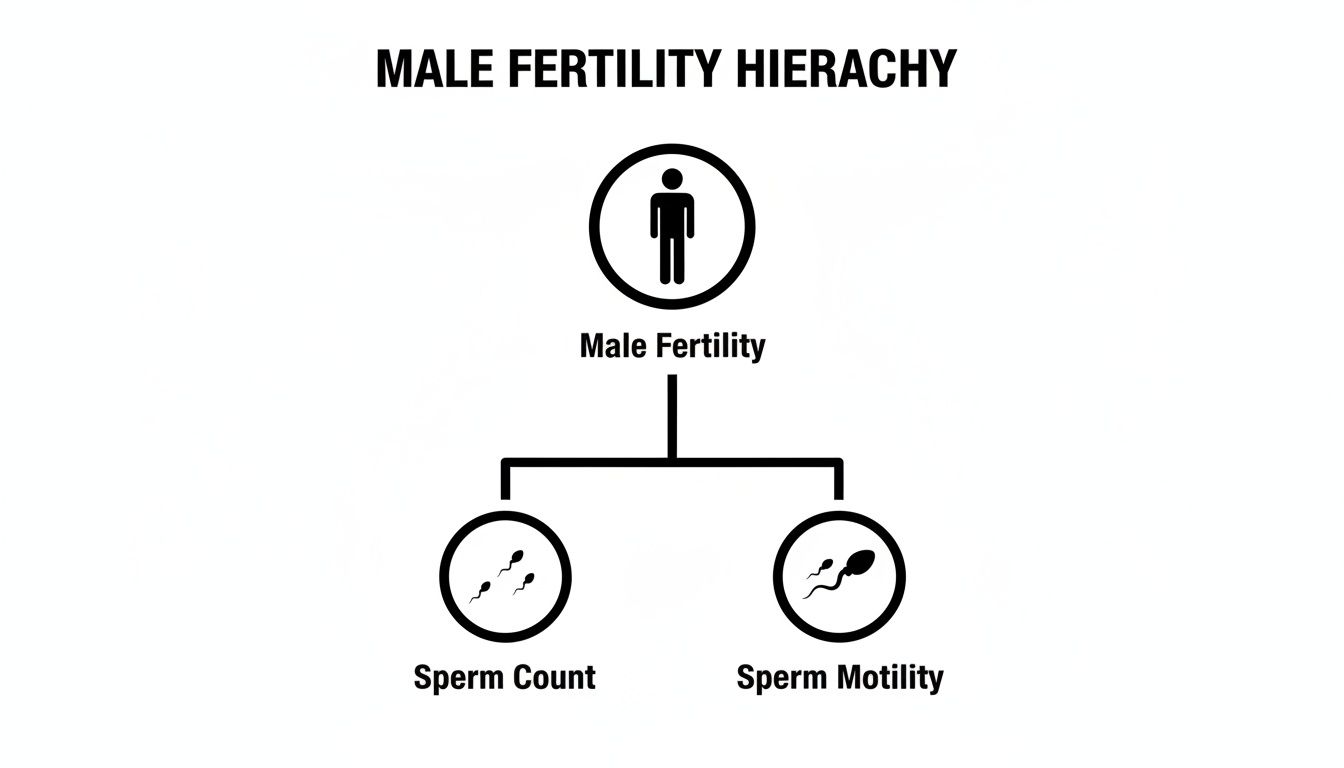
As you can see, having a high sperm count is only half the battle. Those sperm need to be strong, effective swimmers to contribute to your fertility potential.
The Three Types of Sperm Motility
When you scan your results, you’ll find motility broken down into percentages. Each one tells a crucial part of your sperm’s story.
Here's how male sperm movement is classified:
- Progressive Motility (PR): These are your star swimmers. They move forward purposefully, either in a straight line or in large, sweeping circles. This is the single most important type of movement for male fertility.
- Non-Progressive Motility (NP): These sperm are moving, but they aren't actually going anywhere. They might be swimming in tight little circles or just twitching on the spot. It’s the biological equivalent of treading water—there’s plenty of effort, but zero forward progress.
- Immotility (IM): This category is straightforward—it’s all the sperm that aren’t moving at all. They're completely stationary.
You’ll also see a number for Total Motility (PR + NP), which is the combined percentage of all moving sperm. Fertility specialists, however, focus most of their attention on the progressive motility number, because those are the sperm with the best chance of completing their journey.
A semen analysis is more than just a pass/fail test. It's a detailed diagnostic tool that provides a baseline of your reproductive health, helping you and your doctor identify specific areas for improvement.
What Are Normal Sperm Motility Ranges?
Once you understand the terms, the next step is making sense of the numbers. The WHO has established clear minimum thresholds for what’s considered a "normal" or healthy range for sperm motility.
Here are the key benchmarks to look for on your report:
- Total Motility (PR + NP): At least 42% of the sperm in the sample should show some kind of movement.
- Progressive Motility (PR): At least 30% of the sperm should be swimming forward effectively.
It's critical for men to remember that these are just minimums. Falling a bit below these numbers doesn't automatically mean you can't have children, but it does signal that sperm movement could be a hurdle. Your results are just one piece of a much larger puzzle, and a specialist can help you see the full picture of your male fertility.
Identifying the Causes of Low Sperm Motility
Getting a semen analysis report back with low sperm motility can feel like a gut punch. But it's not a final verdict—it's a starting point. This condition, officially called asthenozoospermia, just means your sperm aren't the strongest swimmers. The key is to stop focusing on the number and start investigating why.
Think of it like a warning light on your car's dashboard. You don't just stare at the light; you pop the hood to find the source of the problem. Pinpointing the root causes of poor sperm movement is the first step toward taking back control. These causes generally fall into three buckets: lifestyle habits, environmental factors, and underlying male health issues.
Lifestyle Factors Men Can Control
Here's the good news: many of the things that impact sperm motility are tied to your daily habits. This puts the power to make a real difference right back in your hands. Even small, consistent changes can lead to big improvements over time.
These are some of the most common lifestyle culprits for men:
- Diet and Nutrition: What you eat is literally the fuel for sperm production. A diet lacking in antioxidants, key vitamins like C and E, and minerals such as zinc and selenium can leave sperm weak and unable to generate the energy they need to swim.
- Smoking and Vaping: The toxins in tobacco and e-cigarettes are notorious for causing oxidative stress. This cellular damage can wreck sperm DNA and cripple their mitochondria—the tiny engines that power their tails.
- Alcohol Consumption: More than a few drinks a week can mess with testosterone levels and the delicate hormonal symphony required for healthy sperm development. The result is often sluggish, poorly formed sperm.
- High Stress Levels: When you're constantly stressed, your body pumps out cortisol. This stress hormone can put the brakes on your entire reproductive system, slowing down the production of strong, motile sperm.
Environmental and Heat-Related Stressors
Sperm are incredibly sensitive to temperature. They need to be kept slightly cooler than the rest of your body to develop properly. When external heat throws off this delicate balance, motility often takes a nosedive. The frustrating part is that many men are unknowingly exposing themselves to these stressors every single day.
Understanding the root causes of asthenozoospermia is the first step toward taking corrective action. By identifying potential issues in your lifestyle or environment, you can begin to build a targeted plan for improvement.
Keep an eye out for these common heat-related offenders:
- Hot Tubs and Saunas: Soaking in a hot tub or sitting in a sauna might feel great, but the high temperatures can literally cook developing sperm, killing their ability to swim.
- Laptops on Your Lap: That convenient work setup generates a surprising amount of heat. Resting a laptop directly on your lap for hours can raise scrotal temperature enough to impair sperm function.
- Tight Underwear: Constrictive underwear traps heat close to the body, creating an environment that's just too warm for optimal sperm health.
There's a troubling trend suggesting these external factors are having a bigger impact than we once thought. A recent study of young men in Denmark found a shocking drop in sperm motility between 2019 and 2022—the total motile sperm count plummeted by 22% in just three years.
Underlying Medical Conditions
Sometimes, low motility isn't about lifestyle—it's a red flag for a male health issue that needs a doctor's attention. While these are less common than lifestyle or environmental causes, they can have a serious impact and require a professional diagnosis.
One of the most frequent medical culprits is a varicocele, which is essentially a varicose vein in the scrotum. These enlarged veins can overheat the testicles and disrupt sperm production. Other possibilities include hormonal imbalances, infections in the reproductive tract, or even certain genetic conditions. If you've addressed lifestyle factors and still see no improvement, it's time to see a urologist or male fertility specialist.
Actionable Steps to Improve Sperm Motility
Here’s the great news: sperm motility isn't set in stone. Your body is constantly making new sperm, and that whole production cycle takes about two to three months. This means the positive changes you start making today can lead to a real, measurable difference in the near future. Think of this section as your practical playbook for boosting sperm health and improving the motility of sperm.

This isn't about some impossible life overhaul. It's about making smart, targeted adjustments that give your body the exact resources it needs to produce the strongest swimmers possible. Let's walk through the science-backed steps you can take, starting right now.
Fueling Your Body for Better Motility
What you eat directly builds the foundation for healthy sperm. Think of your diet as the supply chain for sperm production—if the raw materials are poor quality, the final product will be, too. Focusing on specific nutrients can protect sperm from damage and provide the energy they need for their journey.
A great place to start is by loading up on antioxidant-rich foods. Antioxidants are like a personal security detail for your sperm, protecting them from cellular damage called oxidative stress, which is a major enemy of motility.
Here are the key nutrients for men to zero in on:
- Zinc: Often called the cornerstone of male fertility, zinc is essential for sperm formation and testosterone production. You can find it in oysters, beef, pumpkin seeds, and lentils.
- Selenium: This powerful antioxidant helps shield sperm from damage and is found in Brazil nuts, tuna, sardines, and chicken. Just one or two Brazil nuts a day can cover your needs.
- Vitamin C: Found in citrus fruits, bell peppers, and broccoli, Vitamin C helps protect sperm DNA from free radical damage.
- Coenzyme Q10 (CoQ10): This compound helps power the mitochondria—the tiny engines inside sperm that fuel their tails. It's found in organ meats, fatty fish, and vegetables.
By simply making your plate more colorful with fruits and veggies and choosing lean proteins and healthy fats, you give your body the tools to improve sperm function from the inside out. For a more detailed guide, you can explore our resources on how to improve your sperm health.
Lifestyle Changes That Move the Needle
Beyond your diet, your daily habits play a huge role in the motility of sperm. Certain routines can create a hostile environment for sperm development, while healthier choices create the optimal conditions for them to thrive.
The most impactful changes often involve cutting out habits known to harm male reproductive health.
Think of the sperm production cycle, which takes roughly 74 days, as your window of opportunity. The positive changes you commit to today are directly building the healthier sperm that will show up in your semen analysis two to three months from now.
Here are the lifestyle adjustments that deliver the best results for men:
- Quit Smoking: The toxins in cigarettes and vapes are proven to damage sperm DNA and wreck their swimming ability. Quitting is one of the single most effective things you can do for your fertility.
- Reduce Alcohol Intake: Heavy drinking can lower testosterone levels and drag down sperm quality. Limiting yourself to just a few drinks per week can make a significant difference.
- Manage Stress: Chronic stress floods your body with cortisol, a hormone that can interfere with testosterone production. Finding healthy outlets like exercise, meditation, or hobbies is crucial.
Keep Things Cool
One of the most overlooked factors in sperm motility is temperature. The testes hang outside the body for a reason—they need to stay a few degrees cooler than your core body temperature to produce healthy sperm. When they overheat, production and motility both take a hit.
Here are some actionable next steps:
- Choose Boxers Over Briefs: Loose-fitting underwear allows for better air circulation, helping to keep temperatures down.
- Avoid Hot Tubs and Saunas: Soaking in high temperatures can temporarily slash sperm motility and count. It's best to steer clear while trying to build a family.
- Take Breaks from Sitting: If you have a desk job, get up and walk around every hour. Prolonged sitting can trap heat.
- Keep Laptops Off Your Lap: The heat coming off a laptop can raise scrotal temperature. Use a desk or a lap pad instead.
These steps aren't just about improving a number on a lab report. They're about proactively taking control of your health to build the best possible foundation for your future family.
Making Sense of Your Fertility Health
Deciding to get a semen analysis is the single most powerful step a man can take to understand his own reproductive health. It might feel like a big move, but the process is more straightforward than you’d think. Its entire purpose is to cut through the noise and give you clear answers on sperm motility and other crucial factors. This is where you take back control.
These days, getting tested is simple. You can get a physician-approved lab order in just a few minutes and pick a certified lab from a network of hundreds of locations. This puts you in the driver's seat, letting you work around your own schedule without the long waits and clinical runaround.
From Complex Data to Clear Answers
For most men, the hard part isn't taking the test—it's trying to figure out what the results actually mean. A standard lab report often looks like a jumble of medical jargon and percentages that don’t offer much real-world clarity. It tells you the "what" but almost never explains the "why" or "what now?"
This is where a new approach really shines. Instead of leaving you to Google every term, services like Hera Fertility translate those dense numbers into a simple, understandable score. Your results for sperm count, shape, and motility are all analyzed and presented in a way that just makes sense.
Your fertility report shouldn't be a source of stress. It should be an empowering tool—an actionable roadmap that shows you exactly where you stand and what you can do to move forward on your path to fatherhood.
This simple shift turns your lab report from a confusing document into a dynamic guide. You get personalized insights based on your specific results, helping you understand your strengths and pinpoint any areas that might need a little attention.
Your Actionable Roadmap to Fatherhood
Getting a clear picture of your sperm health is about so much more than numbers; it's about finding direction. Once you have an understandable baseline, you can finally start making informed decisions. The goal is to give you clear, practical next steps tailored to your unique male health profile.
This whole process empowers you to have much more productive conversations with your doctor. Whether your results are fantastic or show there’s room for improvement, having a clear understanding puts you in a position of strength.
And for those men who are successfully navigating their fertility journey and looking ahead, you might find some great support in these resources for expectant fathers. By demystifying the science, you can focus on what really matters: building a healthy foundation for the family you want.
Common Questions About Sperm Motility
When men start digging into the details of male fertility, a lot of questions pop up. It's completely normal. Here, we'll tackle some of the most common questions men have about sperm motility, giving you clear, straightforward answers to help you feel more in control of your journey.
What’s a Normal Sperm Motility Range?
According to the World Health Organization (WHO), a normal semen analysis should show at least 42% of your sperm are moving in any fashion (total motility). But the more important number is progressive motility—the sperm swimming forward with purpose. For this, you want to see at least 30%.
Think of these numbers as the minimum threshold for good male fertility potential. Anything higher is always better. A fertility specialist can help you put your specific results into the larger context of your overall health.
How Long Does It Realistically Take to Improve Sperm Motility?
The entire production cycle for new sperm, known as spermatogenesis, takes about 74 days.
This means that any positive changes you make today—cleaning up your diet, starting an exercise routine, or quitting smoking—won't show up in your results for about two to three months. Consistency is everything. Re-testing after this period is a fantastic way for a man to measure his progress and see the real-world impact of his efforts.
Can Low Sperm Motility Be the Only Issue?
Yes, absolutely. It’s entirely possible for low sperm motility (the clinical term is asthenozoospermia) to be the primary roadblock for a man, even if his sperm count and shape (morphology) are perfect.
If the sperm can't swim effectively, they simply can't complete the long journey required for conception.
This is precisely why a complete semen analysis is so vital. It looks at all the key metrics together, giving you a full picture of your male reproductive health instead of just one piece of the puzzle.
Getting an accurate test is the critical first step toward understanding what’s going on and, more importantly, what you can do about it.
Ready to get clear, actionable insights into your sperm health? With Hera Fertility, you can order a physician-approved semen analysis, get tested at a certified lab near you, and receive your results as an easy-to-understand Hera SmartScore. Take the guesswork out of your fertility journey and get your personalized action plan today at Hera Fertility.
Related Resource Articles
-
Understanding and Improving Sperm Motility for Male Fertility
A complete guide to sperm motility. Learn what it means, how it's measured, the causes of low motility, and proven ways for men to improve it.
18 min read
-
Asthenozoospermia Meaning and How to Improve Sperm Motility
Struggling with the asthenozoospermia meaning? Understand low sperm motility and discover proven, actionable steps to improve your sperm health and fertility.
19 min read
-
What Is Low Sperm Motility? a Clear Guide for Men
Wondering what is low sperm motility and what it means for your fertility? Our clear, supportive guide explains causes, testing, and your next steps.
14 min read