Knowing when to see a fertility specialist can feel like a huge step, but the guidelines for men are actually pretty straightforward. If you're under 35, the general advice is to consult an expert after one year of trying to conceive. For men 35 and older, that timeline shortens to just six months.
Knowing When to Seek Expert Help for Male Fertility
Taking that first step to understand your reproductive health is an empowering move. For a lot of guys, the journey starts with questions and uncertainty, but knowing the right time to bring in a professional can provide much-needed clarity.
It's a common myth that fertility is just a female issue. The reality? Male factors contribute to 40-50% of infertility cases. This means your health is a crucial piece of the puzzle right from the very beginning.
Instead of playing the waiting game, you can take a proactive approach. Seeing a specialist isn't about expecting bad news; it's about gathering information and building a smart plan for your future.
To make it even simpler, here's a quick guide to help you figure out the best timing for your specific situation.
Quick Guide for When Men Should Consult a Fertility Specialist
This table offers a clear snapshot of key timelines and triggers, helping you quickly assess your personal situation and decide on the next steps.
| Your Circumstance | Recommended Timeline to See a Specialist |
|---|---|
| You are under 35 and have been trying to conceive | After 12 months of regular, unprotected intercourse |
| You are 35 or older and have been trying to conceive | After 6 months of regular, unprotected intercourse |
| You have a known medical issue that could affect fertility | Immediately, before you even start trying |
| You received an abnormal semen analysis result | Immediately, to discuss the results and next steps |
These are solid guidelines, but remember, you don't have to wait if you have a specific concern. Early evaluation is always an option.
Why Early Evaluation Matters for Men
Getting a baseline understanding of your fertility status can save you a ton of time and stress down the road. It gives you a clear starting point and allows you to make informed decisions.
Many men find that a simple initial test, like a semen analysis, provides the hard data they need to have a much more productive first conversation with a doctor. This simple decision path helps visualize when to move from trying to testing, turning uncertainty into a clear, actionable plan.
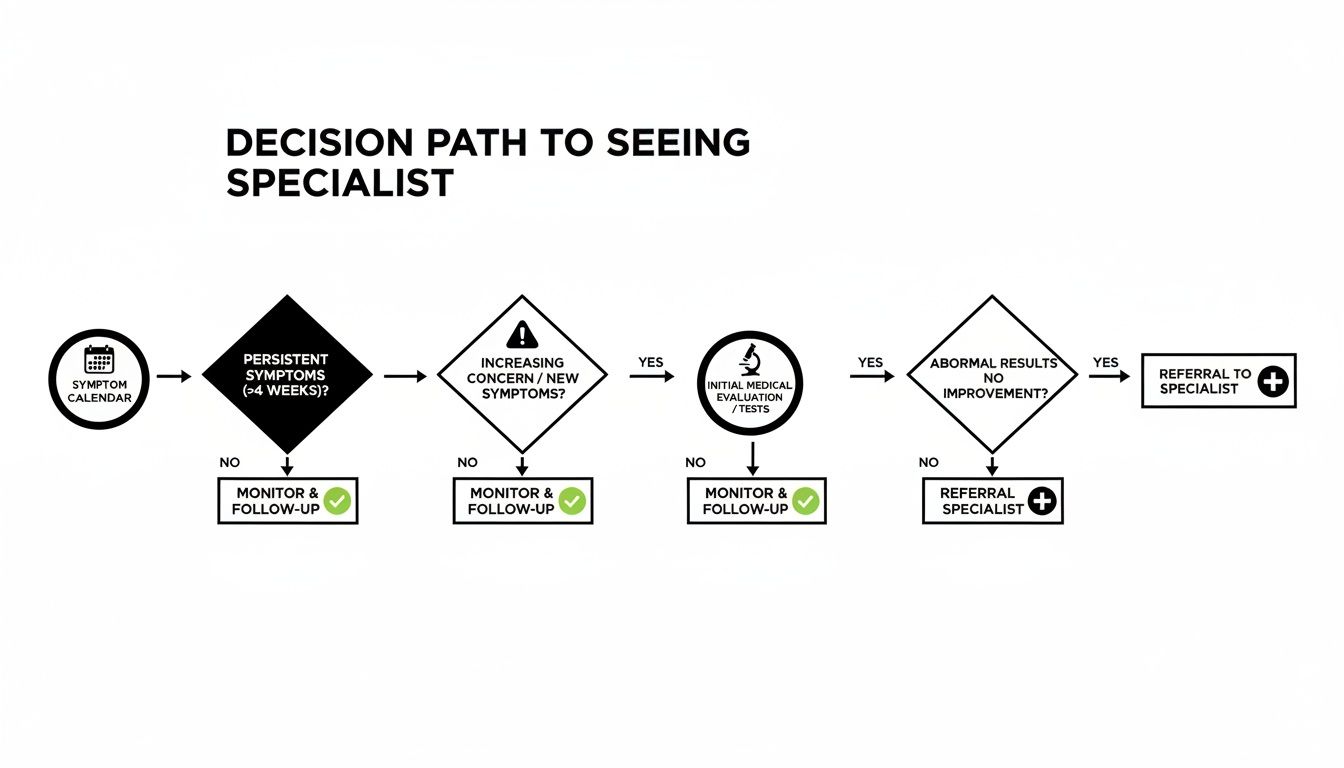
The key takeaway here is that you don't have to be locked into a specific timeline if you have existing worries. If something feels off, getting it checked out early is a smart move.
Taking Control with Modern Tools
Fertility challenges are way more common than people think. Globally, about 17.5% of adults—roughly 1 in 6 people—face infertility. For a deeper dive into these numbers, you can explore the findings on IVF statistics worldwide.
For men, platforms like Hera Fertility make it easy to get a handle on your sperm health early on. You can get a lab requisition in minutes, test at one of 250+ CLIA-certified labs across the USA and Canada, and receive an AI-powered Hera SmartScore that breaks down count, motility, and morphology into real, actionable insights.
The most powerful tool you have is information. Understanding your own health metrics puts you in the driver's seat, enabling you to partner with specialists effectively and confidently navigate the path ahead.
Ultimately, knowing when to see a fertility specialist is about recognizing when you need more information than you have. Whether you've hit a standard timeline, have a specific health concern, or just want to be proactive, taking that next step is a positive and responsible decision.
When Should You See a Fertility Specialist? The Standard Timelines

You've probably heard the old "one-year rule" for trying to conceive, but what does that really mean for men? Understanding this guideline is the first step toward taking control of your reproductive health. It’s less of a hard-and-fast rule and more of a practical signpost on the road to fatherhood.
Think of it like troubleshooting a complex machine. You need enough time and data to figure out if it's working as expected or if it's time to call in a mechanic. These timelines give you a reasonable window to see what happens naturally before seeking a professional opinion.
The conventional wisdom is pretty straightforward and is generally based on age. These guidelines exist to provide a logical framework, not to create stress. They simply help distinguish between the normal, often frustratingly long time it can take to conceive and a point where expert advice could be helpful.
The One-Year Guideline for Men Under 35
For men under the age of 35, the standard recommendation is to try for 12 consecutive months before scheduling a fertility evaluation. This one-year benchmark is used by doctors everywhere because it's the timeframe in which the vast majority of healthy men will be able to conceive naturally. It's a long enough period to account for all the normal monthly ups and downs.
If you hit the one-year mark, it absolutely does not mean something is wrong. It just means it's a good time to gather more information. Seeing a specialist at this point is simply the next logical step to get a clearer picture of your health.
The Six-Month Guideline for Men 35 and Older
Once a man reaches 35, the recommended timeline shortens to six months. Why the change? It’s all about being proactive. As men get older, certain health factors can begin to shift, and time becomes a more valuable resource in the fertility journey.
This shorter timeframe allows you and a specialist to get ahead of any potential issues and address them more quickly. Think of it as moving up your car's routine maintenance schedule—it’s just a smart, preventative way to keep everything running smoothly.
A timeline is just a guide. Your individual health history is the most important factor. If you have any pre-existing concerns or a gut feeling that something isn’t right, you never have to wait. Trusting your instincts and seeking answers early is always a smart decision.
Why These Timelines Are a Starting Point, Not a Mandate
It’s crucial to remember that these are general guidelines, not rigid laws. They are incredibly useful for structuring your approach, but they aren't meant to be followed blindly. Every man's health profile and journey is unique, and your personal circumstances are what truly matter.
Here are a few simple, actionable steps to consider:
- Track Your Timeline: Keep a private, simple note of when you started trying. It takes the guesswork out of knowing where you stand relative to these guidelines.
- Discuss Your Plans: If you have a partner, get on the same page about when you’ll both feel comfortable seeking professional advice. Having a shared plan is a huge stress reducer.
- Get a Proactive Test: You don't have to wait for the six or twelve-month mark to get a baseline. An initial semen analysis can provide priceless information at any point, empowering you from day one.
Ultimately, these timelines are designed to empower you, not pressure you. They offer a clear, logical path forward, helping you decide when it’s the right time to bring in an expert. Being an informed, active participant is the most effective way to navigate your path to fatherhood.
Key Signs That Point to an Earlier Specialist Visit

While the standard timelines give you a solid framework, sometimes your body sends clear signals that you shouldn't wait a full year—or even six months. Think of these symptoms as early alerts from your body's internal system. Paying attention is a proactive way to manage your health and a compelling reason to see a specialist sooner.
Recognizing these indicators isn’t about causing alarm; it’s about being informed and in tune with your body. Your reproductive health is deeply connected to your overall well-being, and when one part of the system is off, it can have ripple effects. This guide will help you connect the dots between tangible physical signs and your fertility, empowering you to act.
Physical and Structural Health Concerns
Your body's structure and how it feels can offer major clues about your fertility. Certain symptoms in the testicular area should never be ignored, as they can be directly linked to the systems responsible for making and transporting sperm.
Any of the following issues are a clear reason to book an appointment, no matter how long you’ve been trying:
- Pain, Swelling, or Lumps: Any persistent discomfort, noticeable swelling, or a lump you can feel in one or both testicles needs an immediate medical evaluation.
- Varicocele: This is an enlargement of the veins in the scrotum, often described as feeling like a "bag of worms." Varicoceles are a common cause of low sperm production and are found in about 15% of all men.
- Issues with Ejaculation: This can mean difficulty ejaculating, a noticeable drop in the amount of fluid, or even pain during ejaculation.
These physical signs are direct indicators that something needs a closer look. Waiting to see if they resolve on their own can delay important care. For a deeper dive into these and other symptoms, check out our detailed article on the key signs of male infertility.
It's easy to downplay what seems like a minor physical symptom. But when it comes to reproductive health, even small, persistent changes can be significant. A specialist can quickly figure out if a symptom is harmless or linked to an underlying issue affecting your fertility.
Changes in Sexual Function
Your sexual health is another critical barometer. While occasional fluctuations are normal for everyone, a consistent change in function is a sign that you should seek expert advice. These functions are often influenced by hormonal balance and physical health—both of which are essential for fertility.
Consider talking to a specialist if you consistently experience:
- Difficulty Maintaining an Erection: While a common issue with many potential causes, persistent erectile dysfunction can sometimes be linked to underlying hormonal imbalances that also affect sperm production.
- Low Sex Drive: A significant and sustained drop in your libido could be a symptom of low testosterone, a key hormone for male fertility.
Remember, these are medical concerns, not personal failings. A fertility specialist can provide a supportive and confidential environment to diagnose the root cause and find effective solutions, helping you improve both your sexual health and your fertility prospects.
Hormonal and Other Bodily Changes
Finally, your body might display other signs that point toward hormonal irregularities. Hormones act as messengers that control countless bodily functions, including sperm production. When they get out of balance, the effects can show up in surprising ways.
Be mindful of changes like:
- Decreased Facial or Body Hair: This can be an outward sign of hormonal shifts, particularly related to testosterone levels.
- Unexplained Weight Gain or Loss: Significant changes in body weight can sometimes be tied to hormonal issues affecting reproductive health.
- Recurrent Respiratory Infections: It might seem completely unrelated, but some rare genetic conditions that affect fertility can also show up as chronic sinus or lung infections.
If you recognize any of these signs, it’s a green light to bypass the standard timelines. Knowing when to see a fertility specialist is about more than just counting the months; it's about listening to what your body is telling you right now.
How Your Medical History Shapes Your Timeline
Your health story didn't start the day you began trying to conceive. Every illness, surgery, and lifestyle choice from your past has created a unique health profile that can absolutely influence your fertility. This history is full of clues, often giving you a clear reason to see a specialist proactively—well before the standard timelines.
Looking at it this way changes the conversation. Seeing a specialist isn't about admitting defeat or assuming something is wrong. It's a strategic, intelligent step in planning for your family's future. You're simply using the information you already have about your body to your advantage.
Previous Surgeries and Medical Procedures
Certain medical procedures, especially those near the reproductive or groin area, are a direct signal to get an expert opinion early on. These aren't just minor notes in your medical file; they can significantly alter the structure and function of your reproductive system.
You should definitely consider a consultation if you have a history of:
- Testicular Surgery: This covers procedures like fixing an undescended testicle (orchiopexy) or treating testicular torsion (a twisting of the spermatic cord). While crucial for your health, these surgeries can sometimes impact future sperm production.
- Hernia Repair: Surgery to fix an inguinal hernia, which is down in the groin, can occasionally affect the vas deferens—the tiny tube that transports sperm.
- Vasectomy Reversal: Even a successful reversal doesn't guarantee a return to normal fertility. A specialist can properly evaluate your sperm count and motility afterward to make sure everything is working as it should.
If any of these apply to you, you have a solid reason to skip the "wait and see" approach and get a professional assessment from the start.
Past Illnesses and Chronic Conditions
Your overall health is directly linked to your reproductive health. Certain illnesses, especially ones you had after puberty, and any ongoing chronic conditions can have a lasting impact on your fertility.
Think of your body as a complex, interconnected system. If one part needs significant resources to manage a condition like diabetes or kidney disease, it can pull resources from other functions, including sperm production. This is exactly why a history of certain health issues warrants an earlier chat with a specialist.
For instance, getting the mumps after puberty can sometimes cause testicular inflammation (mumps orchitis), which can damage sperm-producing cells. Likewise, managing chronic conditions like diabetes, cystic fibrosis, or kidney disease—and the medications that go with them—requires a proactive approach to understanding your fertility.
Your medical history is your personal health blueprint. It holds valuable clues that can help a specialist spot potential roadblocks early, creating a much more direct and efficient path forward.
Lifestyle Factors and Medications
It's not just the big medical events that matter. Your long-term habits and medications play a huge role, too. Specialists around the globe are seeing a big uptick in fertility consultations, and many point to lifestyle as a key factor. A cross-continental survey found that 67% of specialists reported more consults, with some markets like China blaming lifestyle factors in as many as 94% of cases.
Since male factors contribute to 30-50% of all fertility issues, getting a semen analysis early can be a game-changer. This trend really underscores the growing need for proactive male testing and a better understanding of your own health. You can learn more about the rising demand for fertility services and the factors driving it.
Some prescription drugs, including certain antidepressants, blood pressure medications, and especially testosterone replacement therapy, can interfere with sperm production. If you're on any long-term medication, a specialist can review your prescriptions and see if they might be impacting your fertility.
If any of these historical factors ring a bell, you have a compelling reason to seek expert guidance now. Knowing when to see a fertility specialist isn't just about counting months on a calendar; it's about recognizing when your personal health story calls for a smarter, more informed approach.
The First Step: Understanding Your Semen Analysis

If you've decided it's time to see a specialist, the first piece of the puzzle they'll want to look at is your semen analysis. This test is the absolute foundation of any male fertility evaluation. It’s the single most important data point that helps a doctor understand your reproductive health on a microscopic level.
Think of it like taking your car to a mechanic. Before they start guessing what’s going on under the hood, they plug it into a diagnostic machine to get hard data. A semen analysis does the same for your fertility, giving you and your doctor a clear, factual starting point.
This test provides a snapshot of your sperm health, moving the conversation away from vague concerns and straight to concrete numbers. It’s a powerful first move that puts you back in control.
Breaking Down the Key Metrics
A semen analysis report might look technical at first glance, but it’s really just checking three core things about your sperm. Getting a handle on these parameters helps demystify the entire process.
Here’s what your doctor will be examining:
- Sperm Count (Concentration): This is simply the total number of sperm present. Generally, a higher number is better.
- Motility (Movement): This measures what percentage of your sperm are moving—and just as importantly, how well they are moving. Strong, forward progression is what a specialist looks for.
- Morphology (Shape): This looks at the physical structure of the sperm. A normal shape is essential for the sperm’s ability to function correctly.
Each of these elements plays a vital role. You need enough sperm (count), they need to be strong swimmers (motility), and they need to have the right form for the job (morphology).
Taking Control of Your First Step
The great news is that you don't have to wait for a specialist appointment to get this crucial information. You can take the initiative and get a semen analysis done proactively, allowing you to walk into your first consultation already holding the most important piece of evidence.
This completely changes the dynamic of that first visit. Instead of spending the entire appointment on basic fact-finding, you and your doctor can immediately dive into discussing your actual results and planning the next steps. It transforms the meeting from an introduction into a focused, productive strategy session.
Knowing your numbers before you see a specialist is a game-changer. It puts you in the driver’s seat, allowing for a more direct and meaningful conversation about your health and your goals from the very first minute.
With male factors contributing to up to 50% of fertility cases, this initial test is far too important to overlook. According to a 2015 survey of 363 fertility experts, 67% reported seeing a rise in patient volumes for conception issues. For men, services like Hera Fertility simplify this first step by providing a physician-ordered lab test and using AI to translate complex results into a clear, understandable SmartScore, offering personalized plans. Urologists and clinics partner with Hera to make screening easier, helping men get crucial data on parameters like motility before their first visit. For more on this trend, you can review the full fertility services market report.
By getting your results ahead of time, you gain a massive advantage. You have time to process the information, do your own research, and prepare informed questions for your doctor. If you're looking for a head start on what the numbers mean, our detailed guide on how to read your semen analysis results is a great resource.
Ultimately, the semen analysis is your entry point into a deeper understanding of your fertility. Taking this step on your own terms is a powerful way to begin your journey, armed with the knowledge you need to have a successful partnership with your specialist.
How to Prepare for Your First Specialist Appointment
Deciding to see a specialist is a big step, and honestly, a little intimidating for many men. But walking into that first appointment prepared can make a world of difference, turning any anxiety you might feel into confidence. Think of this meeting less like a typical doctor's check-up and more like a strategy session where you’re an active partner.
Getting organized beforehand helps you and your doctor make the most of your time. The goal is simple: leave the appointment with a clear picture of where things stand and a concrete plan for what comes next.
What to Bring to Your Appointment
Think of this as building a case file. Having all the essential documents in one place allows your specialist to get a complete picture right from the start, saving time and getting you to the important conversations faster.
Here’s a quick checklist of what you'll want to gather:
- A Detailed Medical History: This includes any major illnesses (especially things like mumps after puberty), previous surgeries (anything in the groin area is particularly relevant), or any chronic conditions you manage.
- A Full List of Medications: Write down everything you take regularly. That means prescriptions, over-the-counter stuff, and any vitamins or supplements. If you know the dosages, even better.
- Results from Previous Tests: If you’ve already had a semen analysis, bring a copy of the report. This data is the single most critical piece of the puzzle and gives you a massive head start.
- A List of Your Questions: Don't try to remember everything in the moment. Spend some time beforehand jotting down every question that pops into your head so you don't leave wondering, "What was that thing I wanted to ask?"
Having these items ready shows you're engaged and serious. It immediately sets a positive, proactive tone for the entire journey ahead.
Key Questions to Ask Your Specialist
This appointment is your time to get expert answers tailored specifically to you. Don't be shy. Ask follow-up questions until you feel you completely understand the answers. This is your health, and you have every right to be fully informed.
To get the conversation rolling, consider asking some of these questions:
- Based on my history and any test results we have, what are your initial thoughts?
- What are the next diagnostic tests you would recommend for me, and why?
- Are there any specific lifestyle changes you think I should make right now?
- How might my current medications or health conditions be impacting my fertility?
- What are the different treatment paths we might explore down the road?
The best questions are the ones that help you understand "what's next." Your goal is to leave with a clear, actionable plan that outlines the immediate next steps—whether that’s more testing, lifestyle adjustments, or just monitoring for now.
A prepared list ensures you cover all your bases and helps guide the conversation toward what matters most. It also helps your doctor give you the most relevant, personalized advice possible.
If you need to complete any initial or follow-up tests, you can easily find a certified lab near you to get the ball rolling. By taking charge of these steps, you stop being a passenger and become an essential member of your own healthcare team.
Common Questions About Male Fertility Answered
Navigating the path to seeing a fertility expert often brings up a few practical questions. Getting clear, straightforward answers can make you feel more confident and prepared for what’s next. Let’s tackle some of the most common things men ask when trying to figure out their next steps.
Can My Lifestyle Choices Really Affect My Sperm Health?
Absolutely. It’s not just talk—things like your diet, exercise habits, stress levels, smoking, and how much you drink can have a real, measurable impact on sperm production and quality.
A specialist can give you personalized advice on specific changes that could improve your numbers. Getting a baseline semen analysis first is a great idea, as it gives you a concrete starting point to measure your progress.
Do I Need a Referral to See a Fertility Specialist?
This really comes down to your health insurance plan. Some insurance providers require you to get a referral from your primary care physician (PCP) before they’ll cover a specialist visit, while others let you book an appointment directly.
Your best bet is to call your insurance company first to understand their rules and avoid any surprise costs. However, remember you can always order a semen analysis on your own through a service like Hera to get initial data without jumping through insurance hoops right away.
What Happens During the Physical Exam?
A physical exam is a totally normal and important part of a male fertility workup. Your doctor's main goal is to check for any physical issues that could be affecting your fertility, like a varicocele (which is basically an enlarged vein in the scrotum).
The exam is usually quick and straightforward. It provides crucial information that, when combined with your semen analysis and medical history, gives your specialist the complete picture needed to make an accurate diagnosis.
Ultimately, every question you get answered brings you more clarity. By tackling these common concerns head-on, you can move forward with a clear head, ready to take the next productive step on your journey.
Take control of your first step with Hera Fertility. Get a physician-ordered semen analysis, an AI-powered breakdown of your results, and clear, actionable insights to guide your journey. Learn more and order your test today.
Related Resource Articles
-
When to see a fertility doctor: A Guide for Men
Struggling to conceive? Learn when to see fertility doctor with clear signs, timelines, and next steps.
17 min read
-
What Is an Andrologist: Your Guide to Male Fertility
What is an andrologist? Discover what male fertility specialists do, the conditions they treat, and when to consult one.
14 min read
-
A Guide to the Sperm Count Test for Male Fertility
Understand the sperm count test and what it means for your fertility. This guide covers how the test works, what results mean, and your next steps.
21 min read