When you're trying to conceive, a lot of focus naturally falls on external factors. But what if one of the most powerful tools for improving male reproductive health is already on your plate? For many men, enhancing sperm count, motility (how well sperm swim), and overall quality is an achievable goal that starts in the kitchen.
The journey to fatherhood is a marathon, not a sprint, and optimizing your nutrition is a critical step in preparing your body. The entire process of creating new sperm, known as spermatogenesis, takes approximately 74 days. This means the dietary changes you make today can have a measurable impact on the sperm you produce about three months from now, which is crucial information for any man trying to conceive. Understanding this timeline empowers you to make proactive choices that directly influence your fertility potential.
This guide dives deep into the top science-backed foods that increase sperm count and motility, providing a clear roadmap for men looking to take control of their reproductive health. We'll explore the key nutrients, how they work, and offer actionable tips to help you on your path. Whether you're just starting your journey, looking for ways on how to get pregnant fast, or searching for practical ways on how to improve sperm quality, this list offers the specific, diet-focused strategies you need. For those seeking a definitive baseline, getting a semen analysis is the most reliable first step, providing clarity on where to focus your efforts.
1. Zinc-Rich Oysters and Shellfish
When searching for foods that increase sperm count and motility, oysters consistently rank at the top, and for good reason. These prized shellfish are the most concentrated natural source of zinc, a vital mineral for male reproductive health. Zinc plays a fundamental role in several key processes, including testosterone synthesis, sperm formation (spermatogenesis), and ensuring sperm have the structural integrity and forward momentum needed for fertilization.
A deficiency in zinc has been directly correlated with low testosterone levels, reduced sperm count, and poor motility. The zinc found in oysters and other shellfish is highly bioavailable, meaning your body can absorb and use it more efficiently than from many plant-based sources or supplements. This makes incorporating them into your diet a powerful, direct strategy for improving sperm parameters.
Why It Works for Male Fertility
Zinc acts as a powerful antioxidant, protecting developing sperm cells from damage caused by oxidative stress. It is also a critical component of the enzymes necessary for sperm maturation and function. Studies have shown that men who increase their zinc intake, particularly those who were previously deficient, can see significant improvements in sperm volume, concentration, and motility. For those trying to conceive, this can be a game-changing dietary adjustment.
Key Insight: The impact of zinc on sperm is so profound that fertility clinics often recommend increasing zinc-rich foods as a foundational step in pre-conception protocols for men. This simple dietary change addresses a common nutritional gap that can significantly affect male fertility.
How to Implement This Strategy
- Serving Size: Aim for a serving of 2-3 oysters, two to three times per week. Other excellent shellfish options include crab and lobster.
- Preparation: To preserve the delicate zinc content, consume oysters raw (from a reputable source) or very lightly steamed. Overcooking can diminish their nutritional value.
- Boost Absorption: Squeeze fresh lemon juice over your oysters. The vitamin C enhances your body's ability to absorb the zinc.
- Actionable Next Step: The best way to know if your efforts are working is to test. Use an at-home semen analysis from Hera Fertility to establish a baseline before making dietary changes, and then re-test after 2-3 months to measure improvements. Understanding how to increase sperm count is the first step toward taking control of your reproductive health.
2. Dark Leafy Greens (Spinach, Kale, Swiss Chard)
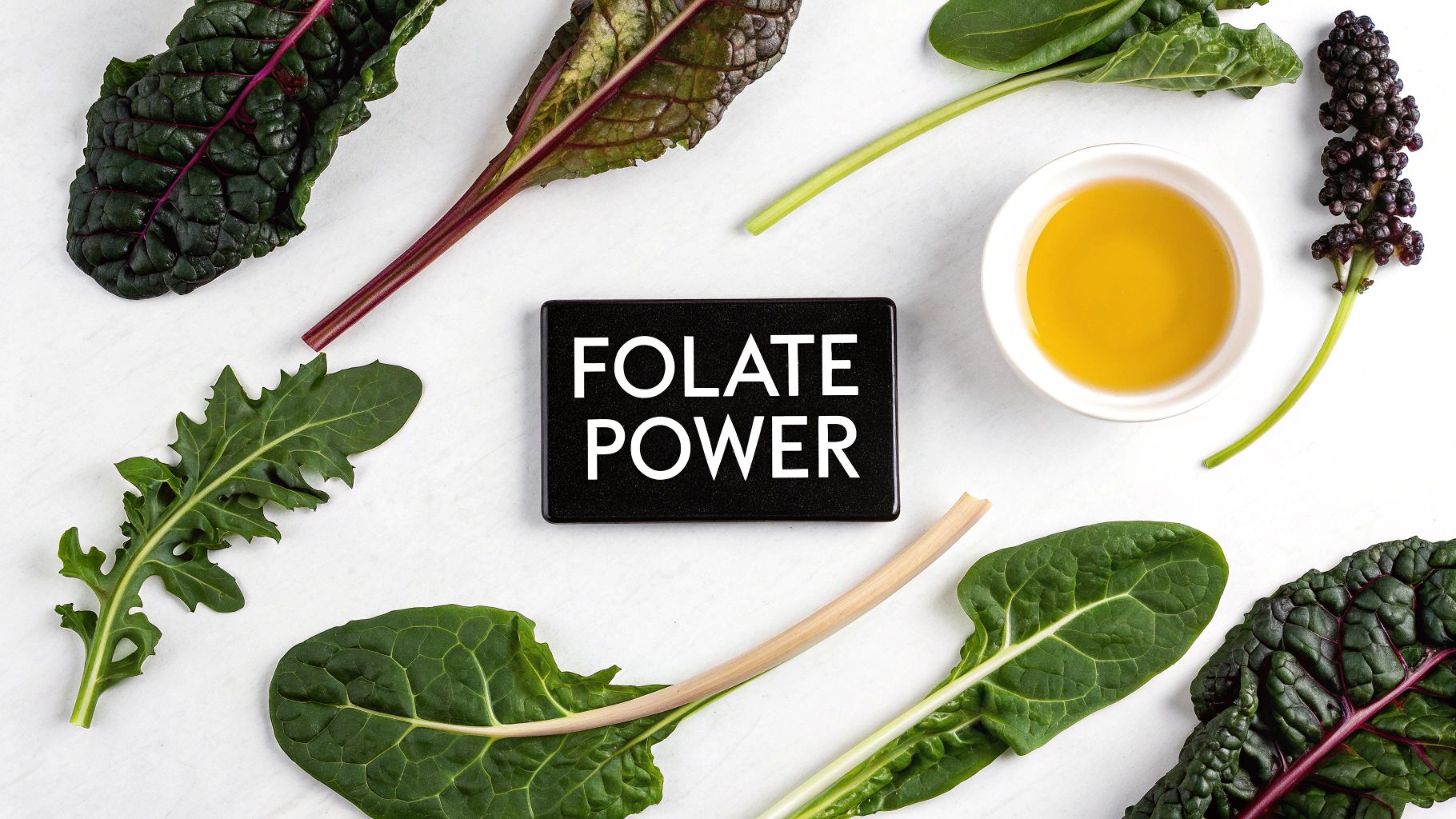
When considering foods that increase sperm count and motility, dark leafy greens like spinach, kale, and Swiss chard are nutritional powerhouses. These vegetables are densely packed with folate (a natural form of vitamin B9), a crucial micronutrient for male reproductive health. Folate plays a vital role in DNA synthesis and methylation, processes that are essential for producing healthy, chromosomally stable sperm.
A deficiency in folate has been directly linked to a lower sperm count, poor sperm morphology (abnormal shape), and DNA damage within sperm cells. By incorporating these greens into your diet, you provide the foundational building blocks necessary for robust spermatogenesis, ensuring your body has what it needs to produce high-quality sperm. This makes them a cornerstone for any man who is trying to conceive and wants to know how to improve sperm quality.
Why It Works for Male Fertility
Folate is indispensable for preventing defects in sperm DNA. When folate levels are low, the risk of producing sperm with chromosomal abnormalities increases, which can impact a man's fertility. Studies have shown that men who consume adequate folate have a significantly lower rate of sperm aneuploidy (an incorrect number of chromosomes). Furthermore, the nitrates in leafy greens can improve blood flow, supporting overall male reproductive function.
Key Insight: Fertility nutritionists universally recommend a consistent intake of dark leafy greens as a baseline for men preparing for conception. This simple dietary habit addresses a critical need for folate, directly impacting the genetic quality and quantity of sperm being produced.
How to Implement This Strategy
- Serving Size: Aim for at least 1-2 cups of dark leafy greens daily. This can be a mix of raw and cooked greens to maximize nutrient intake.
- Preparation: Lightly steam or sauté greens with a healthy fat like olive oil to enhance the absorption of fat-soluble vitamins. You can also blend spinach or kale into a smoothie for an easy, raw boost.
- Boost Absorption: Pair your greens with a source of vitamin C (like bell peppers or lemon juice) to further improve folate absorption.
- Actionable Next Step: The complete sperm development cycle takes about three months. Before you start, get a baseline with a convenient semen analysis. After consistently including leafy greens in your diet for 2-3 months, re-test with Hera Fertility to see measurable improvements in your parameters. Understanding your sperm motility and how to improve it is a key step toward achieving your fertility goals.
3. Antioxidant-Rich Berries (Blueberries, Blackberries, Pomegranate)
When considering foods that increase sperm count and motility, vibrant berries like blueberries, blackberries, and pomegranates are nutritional powerhouses. These fruits are packed with powerful antioxidants, including vitamin C, anthocyanins, and polyphenols, which are essential for protecting sperm from cellular damage. This damage, known as oxidative stress, is a primary culprit behind poor sperm quality, reduced motility, and DNA fragmentation.
Oxidative stress occurs when there's an imbalance between damaging free radicals and the antioxidants that neutralize them. Sperm cells are particularly vulnerable to this damage, which can impair their membranes and reduce their ability to swim effectively. Incorporating antioxidant-rich berries into your diet provides a direct line of defense, helping to protect developing sperm throughout their entire 74-day lifecycle.
Why It Works for Male Fertility
The antioxidants in berries work by neutralizing free radicals, thereby safeguarding sperm structure and function. This protection is critical for maintaining sperm membrane integrity and preserving the genetic material within. Clinical studies have validated this connection; for instance, research has shown that daily consumption of pomegranate juice can significantly improve sperm motility. Men with documented high levels of oxidative stress often see measurable improvements in sperm parameters after supplementing their diet with these potent fruits.
Key Insight: Many fertility clinics now recommend increasing the intake of antioxidant-rich berries as a first-line dietary strategy for men looking to improve sperm motility. This simple, natural approach directly combats one of the most common causes of male factor infertility, making it a crucial part of any pre-conception plan.
How to Implement This Strategy
- Serving Size: Aim for one to two cups of mixed berries or an 8-ounce glass of 100% pomegranate juice (with no added sugars) daily.
- Preparation: Fresh berries are great, but frozen berries are just as nutritious and offer a cost-effective, year-round option. Add them to smoothies, yogurt, oatmeal, or simply enjoy them as a snack.
- Boost Absorption: Combine berries with other vitamin C sources, like a squeeze of lemon in your smoothie, to enhance the overall antioxidant synergy and support for male fertility.
- Actionable Next Step: To truly understand how to improve sperm quality, you need data. Start by getting a baseline with an at-home semen analysis from Hera Fertility. After consistently incorporating berries into your diet for three months (one full spermatogenesis cycle), re-test to see the tangible improvements in your sperm count and motility.
4. Selenium-Rich Brazil Nuts and Fatty Fish (Salmon, Mackerel)
Among the most effective foods that increase sperm count and motility are those high in selenium, an essential trace mineral critical for male reproductive function. Brazil nuts and fatty fish like salmon and mackerel are powerhouse sources of this nutrient. Selenium is a core component of selenoproteins, which act as potent antioxidants, protecting developing sperm from the oxidative damage that can impair their quality and function.
This mineral is directly involved in spermatogenesis, particularly in forming the sperm tail's midpiece, which powers its forward movement. A deficiency in selenium has been linked to poor sperm motility and abnormal morphology. By incorporating selenium-rich foods, you provide the building blocks necessary for producing strong, healthy, and motile sperm, which is a key factor when trying to conceive.
Why It Works for Male Fertility
Selenium’s primary role is to shield sperm DNA from free radical damage, ensuring the genetic material they carry remains intact. It also works synergistically with other nutrients, like vitamin E, to enhance this protective effect. Fatty fish offer a dual benefit, providing selenium alongside anti-inflammatory omega-3 fatty acids. This combination helps reduce systemic inflammation, which can negatively impact sperm production and quality. Studies have shown that men who increase their selenium intake often see marked improvements in sperm motility and morphology.
Key Insight: The selenium in Brazil nuts is so concentrated that just a few nuts can meet and exceed your daily requirement. This makes them one of the simplest and most cost-effective supplements for male fertility you can add to your diet for a significant impact on sperm health.
How to Implement This Strategy
- Serving Size: For Brazil nuts, limit your intake to 2-3 nuts per day to avoid selenium toxicity (the upper limit is 400 mcg daily). For fatty fish, aim for two 3-4 ounce servings of wild-caught salmon or mackerel per week.
- Preparation: Enjoy Brazil nuts raw as a simple snack. Grill or bake fatty fish to preserve its delicate omega-3s and selenium content.
- Boost Absorption: Pair selenium-rich foods with sources of vitamin C (like citrus or bell peppers) and vitamin E (like almonds or sunflower seeds) to enhance their antioxidant benefits.
- Actionable Next Step: To understand how these dietary changes affect your sperm health, get a baseline with a convenient at-home semen analysis from Hera Fertility. Re-testing after 2-3 months is the best way to see how to improve sperm quality and measure the direct impact of your efforts.
5. Lycopene-Rich Tomato Products (Cooked Tomatoes, Tomato Paste)
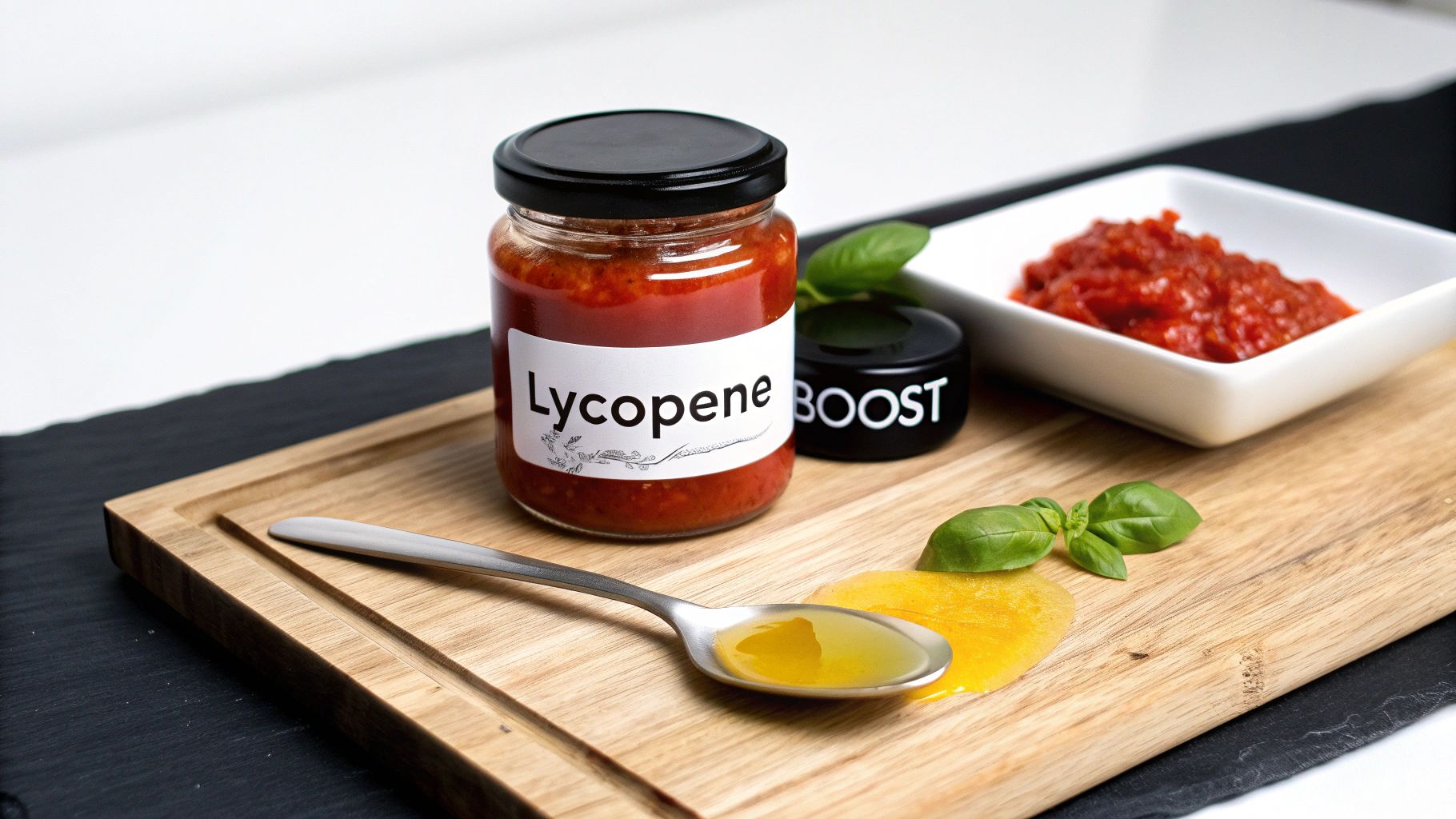
When considering foods that increase sperm count and motility, cooked tomato products stand out due to their high concentration of lycopene. Lycopene is a powerful antioxidant and the natural pigment that gives tomatoes their red color. It is particularly effective at combating oxidative stress, which can damage sperm DNA and impair function. Critically, lycopene becomes more bioavailable when tomatoes are cooked, as the heat breaks down the plant's tough cell walls, releasing the nutrient for easier absorption.
This makes items like tomato paste, sauce, and juice superior sources compared to raw tomatoes for those seeking to enhance male fertility. The body can more effectively utilize the lycopene from these processed forms, delivering a more concentrated dose of this sperm-protective compound directly to the reproductive system. This offers a simple yet impactful dietary strategy for improving key semen parameters.
Why It Works for Male Fertility
Lycopene is known to accumulate in the testes and seminal fluid, where it directly neutralizes harmful free radicals that can compromise sperm health. This protective action helps preserve the structural integrity and vitality of sperm. Scientific studies have demonstrated a clear link between lycopene supplementation and improved sperm metrics. One notable study found that men who took 30mg of lycopene daily for 12 weeks saw significant enhancements in both sperm count and motility, making it a key focus for those trying to conceive.
Key Insight: The bioavailability of lycopene is the crucial factor. Consuming cooked tomato products with a source of healthy fat, like olive oil, dramatically increases absorption, making the antioxidant far more effective than consuming raw tomatoes alone. This simple culinary pairing unlocks the full potential of this powerful nutrient for male fertility.
How to Implement This Strategy
- Serving Size: Aim for a daily intake of 15-30mg of lycopene. This is equivalent to about 2-3 tablespoons of tomato paste or one cup of tomato sauce.
- Preparation: Prioritize cooked tomato products like pasta sauce, soup, or juice. Incorporate these into meals like stews, curries, and pasta dishes.
- Boost Absorption: Always pair tomato products with a healthy fat. Drizzling olive oil over a pasta sauce or adding avocado to a dish with tomatoes can significantly improve lycopene uptake.
- Actionable Next Step: To understand the impact of your dietary changes, it is essential to have a baseline. Use an at-home semen analysis from Hera Fertility to measure your initial parameters. After consistently incorporating lycopene-rich foods for at least three months, re-test to see the measurable improvements in your sperm quality.
6. Vitamin D Sources (Fatty Fish, Egg Yolks, Sunlight Exposure)
The role of vitamin D, often called the "sunshine vitamin," extends far beyond bone health. It is increasingly recognized as a cornerstone of male fertility. Vitamin D receptors are found throughout the male reproductive system, including in the testes and on sperm cells themselves, indicating its direct involvement in sperm production and function. It plays a key role in regulating calcium levels, which are essential for sperm motility, and supports the healthy development of sperm.
A deficiency in vitamin D is remarkably common, especially in northern climates or for men with limited sun exposure, and has been linked to lower sperm counts, decreased motility, and poor sperm shape. Ensuring adequate levels is a critical step for men looking into how to improve sperm quality. Incorporating foods rich in vitamin D is a powerful strategy to support robust sperm parameters, especially when combined with sensible sun exposure.
Why It Works for Male Fertility
Vitamin D is believed to enhance the success of spermatogenesis, the process of creating new sperm. Studies show a clear seasonal variation in semen quality that corresponds with vitamin D levels, with quality often declining in winter months. Research has also demonstrated that men with vitamin D deficiency who begin supplementation can see significant improvements in sperm motility, sometimes by as much as 30%, which can be a crucial factor for men trying to conceive.
Key Insight: Many fertility clinics now routinely test for vitamin D as part of a standard male fertility workup. This is because correcting a deficiency is a simple, high-impact intervention that can directly improve the fundamental metrics of a semen analysis.
How to Implement This Strategy
- Eat Fatty Fish: Aim to consume fatty fish like salmon, mackerel, or sardines 2-3 times per week. They are among the best natural dietary sources of vitamin D.
- Include Egg Yolks: Don't discard the yolk. Incorporate 2-3 whole eggs into your daily diet to get a consistent, secondary source of vitamin D.
- Get Moderate Sun: Expose your arms and legs to 10-30 minutes of midday sunlight, without sunscreen, three to four times a week. This allows your body to synthesize its own vitamin D.
- Actionable Next Step: To truly understand your status, ask your doctor for a 25-hydroxyvitamin D blood test. The optimal range for male reproductive health is generally considered to be 30-50 ng/mL. After establishing your baseline with a test, you can make informed adjustments to your diet and lifestyle.
7. Arginine-Rich Foods (Pumpkin Seeds, Almonds, Chickpeas, Chicken Breast)
For men looking to improve sperm quality, focusing on specific amino acids like L-arginine can be a highly effective strategy. Arginine serves as a crucial precursor to nitric oxide, a compound that relaxes blood vessels and enhances circulation. This improved blood flow is vital not just for erectile function but also for delivering essential nutrients and oxygen to the reproductive organs, creating an optimal environment for sperm production and maturation.
This amino acid is integral to the very structure and metabolic function of sperm cells. A diet rich in arginine can directly support spermatogenesis, contributing to better sperm motility and overall semen parameters. Foods like pumpkin seeds, almonds, chickpeas, and lean proteins like chicken are excellent natural sources, making it a simple yet powerful addition to a fertility-focused diet.
Why It Works for Male Fertility
L-arginine's primary benefit for male fertility stems from its role in nitric oxide synthesis. Improved blood flow ensures the testes receive everything they need to function efficiently. Beyond circulation, arginine is a key component in sperm head proteins and is involved in cell division and replication, processes fundamental to creating healthy sperm.
Clinical research supports its effectiveness; studies have shown that men who supplement their diets with arginine see measurable improvements in sperm concentration and, most notably, motility. For those trying to conceive, enhancing sperm's ability to swim powerfully and purposefully is a critical factor for success.
Key Insight: The dual-action benefit of L-arginine on both erectile function and sperm development makes it one of the most important nutrients for male reproductive health. Focusing on arginine-rich foods addresses two key aspects of male fertility simultaneously.
How to Implement This Strategy
- Serving Size: Aim for a daily intake of 2.5-3 grams of arginine from a combination of food sources. A single one-ounce serving of pumpkin seeds provides a potent 4.5 grams.
- Smart Snacking: Incorporate a handful of almonds (about 1 ounce) for an easy 2.2-gram boost. Add chickpeas to salads or enjoy them as hummus.
- Lean Protein: Include lean chicken breast or turkey in your main meals, as they are also excellent sources of this vital amino acid.
- Actionable Next Step: The only way to confirm if your dietary changes are working is through testing. An initial semen analysis provides a crucial baseline. After consistently including these foods for 2-3 months, a follow-up test can reveal your progress. Getting a comprehensive semen analysis is the definitive step to understanding and improving your sperm quality.
8. Coenzyme Q10-Rich Foods (Grass-Fed Beef, Organ Meats)
Sperm are microscopic powerhouses, and their intense forward swimming requires a tremendous amount of cellular energy. Coenzyme Q10 (CoQ10) is the vital compound that fuels this process. It acts as a spark plug within the mitochondria, the energy factories of every cell, and is especially concentrated in sperm to support their demanding journey. This makes CoQ10 one of the most important nutrients for improving sperm motility, and a key component in a diet of foods that increase sperm count and motility.
A deficiency in CoQ10 is directly linked to asthenozoospermia (poor sperm motility) and reduced sperm concentration. While the body produces some CoQ10, levels can decline with age and may not be sufficient for optimal fertility. Foods rich in this antioxidant, particularly organ meats and grass-fed beef, provide a direct dietary source to enhance sperm energy production and protect them from damage.
Why It Works for Male Fertility
Coenzyme Q10 functions in two critical ways for sperm health. First, it is indispensable for generating adenosine triphosphate (ATP), the primary energy currency that powers the vigorous tail-whipping motion required for forward progression. Second, it is a potent antioxidant, protecting the delicate sperm cell membranes and their precious DNA cargo from the damaging effects of oxidative stress.
Studies have shown that men who increase their CoQ10 intake can see significant improvements in sperm motility, density, and morphology. For men trying to conceive, boosting CoQ10 levels through diet can directly translate into more energetic and resilient sperm, which is a crucial factor.
Key Insight: The impact of CoQ10 is so targeted to cellular energy that it is one of the most recommended supplements for male fertility when motility is a primary concern. Prioritizing food sources like beef heart and liver establishes a strong nutritional foundation for sperm function.
How to Implement This Strategy
- Serving Size: Aim for a 3-4 ounce serving of organ meats, such as beef heart or liver, one to two times per week. Beef heart is particularly dense in CoQ10.
- Preparation: Cook organ meats with a healthy fat like olive oil or grass-fed butter to enhance the absorption of this fat-soluble nutrient. Avoid overcooking to preserve its integrity.
- Boost Synergies: Combine CoQ10-rich foods with a consistent aerobic exercise routine. Physical activity has been shown to naturally increase the body's own synthesis of CoQ10, amplifying the benefits of your diet.
- Know Your Forms: For those exploring supplementation alongside diet, it's helpful to understand the different forms of Coenzyme Q10 to make an informed choice.
- Actionable Next Step: To truly understand how to improve sperm quality, you need data. Start with a baseline semen analysis from a service like Hera Fertility. After implementing dietary changes for at least three months, re-test to see the direct impact on your motility and count.
8-Food Comparison: Boosting Sperm Count & Motility
| Item | Complexity 🔄 | Resources ⚡ | Expected Outcomes ⭐📊 | Ideal Use Cases 💡 | Key Advantages ⭐ | Main Cautions ⚠️ |
|---|---|---|---|---|---|---|
| Zinc-Rich Oysters and Shellfish | Low prep; moderate sourcing complexity | High cost; perishable; small servings effective | Improved sperm count & motility measurable in weeks–months | Men with low zinc or low count/motility | Extremely high, highly bioavailable zinc; adds selenium/copper | Allergy risk; contamination/heavy metals; seasonal availability |
| Dark Leafy Greens (Spinach, Kale, Swiss Chard) | Very low complexity; requires consistent intake (8–12 wks) | Very low cost; widely available year‑round | Supports DNA synthesis, improves morphology and blood flow over months | Men with morphology issues or folate deficiency; baseline nutrition | High folate, nitrates, antioxidants; versatile and affordable | High vitamin K (drug interactions); oxalates; cooking reduces some nutrients |
| Antioxidant-Rich Berries (Blueberries, Blackberries, Pomegranate) | Low complexity; daily consistency needed | Moderate cost; frozen options extend seasonality | Reduces oxidative stress; improves motility & DNA integrity (8–12 wks) | Men with elevated oxidative stress or low motility | High polyphenols & vitamin C; cardiovascular benefits | Natural sugars; pesticide residues possible; variable absorption |
| Selenium-Rich Brazil Nuts & Fatty Fish (Salmon, Mackerel) | Moderate complexity; careful portion control & testing | Variable cost; small servings potent; testing recommended | Improves sperm tail function and motility in weeks | Men with selenium deficiency or motility concerns | Concentrated selenium + omega‑3 anti‑inflammatory benefits | Selenium toxicity risk; mercury in fish; caloric density |
| Lycopene-Rich Tomato Products (Cooked Tomatoes, Paste) | Low complexity; requires cooked/processed form + dietary fat | Very low cost; pantry staple | Accumulates in seminal fluid; improves concentration & motility (~12 wks) | Accessible first‑line for low concentration/motility | High bioavailability when cooked; evidence‑backed; cheap | Needs fat for absorption; canned BPA concerns; not sole therapy for severe cases |
| Vitamin D Sources (Fatty Fish, Egg Yolks, Sunlight) | Moderate complexity; requires testing and lifestyle changes | Variable resources; sun is free; diet often insufficient | Improves count, motility, morphology when deficient (8–12 wks) | Men in low‑sunlight climates or with documented deficiency | Systemic benefits; easily testable and correctable | Sun exposure risk; seasonal limits; rare toxicity with excess supplements |
| Arginine-Rich Foods (Pumpkin Seeds, Almonds, Chickpeas, Chicken) | Low–moderate complexity; may require dose targeting (2.5–3g/day) | Affordable; multiple food sources; caloric considerations | Enhances nitric oxide → improved blood flow, motility, erectile function (8–12 wks) | Men with vascular‑related fertility issues or erectile concerns | Direct substrate for nitric oxide; flexible food options | Food less potent than supplements; herpes reactivation risk; med interactions |
| Coenzyme Q10-Rich Foods (Grass‑Fed Beef, Organ Meats) | Moderate–high complexity; sourcing and adherence challenges | Limited availability; higher cost; exercise increases effect | Supports mitochondrial energy → improved motility; may need supplementation | Men with low motility despite normal morphology or suspected mitochondrial issues | Direct mitochondrial support; synergizes with aerobic exercise | Organ meat toxins; taste/cost; diet alone may not reach therapeutic levels |
Your Next Step: From Diet to Data-Driven Decisions
You’ve just explored a powerful lineup of foods that increase sperm count and motility, from the zinc-packed oysters and selenium-rich Brazil nuts to the antioxidant powerhouses like berries and cooked tomatoes. This is more than just a grocery list; it's a strategic blueprint for optimizing your reproductive health from the inside out. The recurring theme is clear: specific nutrients are the building blocks of healthy sperm, and your diet is the most direct way to supply them.
Remember, the journey from a single dietary change to a measurable improvement in sperm quality follows a biological timeline. The process of spermatogenesis, or sperm production, takes roughly 74 days. This means consistency over a three-month period is essential to give your body the time it needs to produce a new, healthier generation of sperm. Think of it as a long-term investment in your future.
The Holistic Approach to Male Fertility
While incorporating these foods is a critical first step, it's important to view male fertility through a wider lens. A nutrient-dense diet works best when it's part of a comprehensive strategy for wellness. True progress in how to improve sperm quality comes from a holistic approach that includes:
- Consistent Physical Activity: Regular, moderate exercise can boost testosterone levels and improve overall semen parameters.
- Stress Management: Chronic stress elevates cortisol, a hormone that can interfere with sperm production. Techniques like meditation, deep breathing, or even a walk in nature can make a significant difference.
- Prioritizing Sleep: Aim for 7-9 hours of quality sleep per night. Sleep is when your body regulates hormones crucial for reproductive health.
- Avoiding Environmental Toxins: Limiting exposure to plastics (like BPA), heavy metals, and pesticides can protect your sperm from cellular damage.
These lifestyle pillars create an internal environment where the nutrients from your food can be most effective.
From Educated Guesses to Concrete Data
Making positive changes to your diet and lifestyle is an empowering move for any man who is trying to conceive. However, without knowing your starting point, it’s like training for a marathon without ever timing your runs. You might feel like you're getting healthier, but you won't know for sure if your efforts are translating into the results you need.
This is where data becomes your most valuable ally. A comprehensive semen analysis provides a clear, objective snapshot of your fertility. It measures the key metrics:
- Sperm Count (Concentration): The number of sperm per milliliter of semen.
- Motility: The percentage of sperm that are actively moving.
- Morphology: The percentage of sperm with a normal shape.
Getting this baseline data is the single most important action you can take. It removes the guesswork and allows you to track the real-world impact of your dietary and lifestyle improvements over time. Instead of wondering if adding more spinach or salmon is working, you can see the difference in your numbers. This data-driven approach transforms your journey from one of hope to one of informed action.
For men looking to go beyond diet, investigating targeted nutritional support can be beneficial. When considering nutritional support beyond whole foods, further insights can be found regarding supplements containing zinc and selenium that contribute to overall health. These supplements for male fertility can complement dietary changes but should not replace a foundation of healthy eating. Your semen analysis results can help you and your doctor decide if this is a necessary step.
The path to improved fertility doesn't have to be confusing or isolating. By combining the nutritional strategies outlined in this article with a commitment to understanding your own body through objective testing, you take full control. Stop guessing and start measuring. Find a "semen analysis near me" and get the clear, actionable insights you need to move forward with confidence.
Don't leave your fertility to chance. Hera Fertility makes it simple to get a physician-approved semen analysis at a local lab and provides you with a clear, easy-to-understand report. Use your results to track the impact of your dietary changes and make informed decisions on your path to fatherhood. Get started with Hera Fertility today.
Related Resource Articles
-
How to Increase Morphology of Sperm A Practical Guide for Men
Discover how to increase morphology of sperm with this practical guide. Learn actionable diet, lifestyle, and supplement tips to boost your male fertility.
20 min read
-
Symptoms of Hormonal Imbalance in Men and What They Mean for Fertility
Are you experiencing symptoms of hormonal imbalance in males? Learn how low T, fatigue, and mood changes can affect your fertility and what you can do about it.
24 min read
-
How to naturally increase sperm count: A practical guide for men
How to naturally increase sperm count: Science-backed tips on diet, lifestyle, and habits to boost male fertility.
21 min read