Improving sperm morphology—the shape and structure of your sperm—is all about creating a healthier environment for them to grow. It comes down to consistent, positive lifestyle choices like eating a diet packed with antioxidants, getting regular exercise, and steering clear of things like tobacco and excessive alcohol.
And consistency is the key word here. Since sperm take about 74 days to fully develop, the changes you make today will pay off a couple of months down the road.
What Sperm Morphology Means for Your Fertility
Before we get into the "how-to," let's quickly cover what sperm morphology actually is and why it's a big deal for male fertility. In simple terms, it’s a quality-control check on the size and shape of individual sperm cells.
A sperm needs the right structure to be effective: a smooth, oval-shaped head carrying the genetic material, a strong midpiece to power its journey, and a long, single tail to propel it forward. If any part of this structure is misshapen, it can struggle to swim effectively and fulfill its role.
The Role of Shape in the Male Fertility Puzzle
When you get a semen analysis, morphology is just one piece of a much larger picture. It works hand-in-hand with two other critical factors for male reproductive health:
- Sperm Count (Concentration): The total number of sperm you have. More sperm generally means better odds.
- Sperm Motility: How well your sperm can swim. It’s all about forward progress.
These three metrics are deeply connected. A man could have a massive sperm count, but if most of those sperm are poorly shaped or can't swim properly, his fertility could still be an issue. The goal is to have a large army of well-shaped, powerful swimmers. If you want to dive deeper, you can check out our full guide on what sperm morphology means for your health.
A common myth is that you need a perfect score to be fertile. The reality? The World Health Organization (WHO) considers a morphology score of just 4% or higher to be normal. This means it’s completely standard for the vast majority of sperm in any given sample to have some kind of defect.
Why Proactive Male Health Is More Important Than Ever
Getting a handle on your sperm health isn't just about your personal journey; it’s part of a much bigger conversation. Research shows a stark decline in sperm morphology over the past several decades.
One comprehensive analysis revealed that normal sperm morphology rates dropped from around 67% in the 1970s to just 26% by 2009. More recent data from 2000 to 2024 shows the proportion of normally shaped sperm falling from 6% to 3%. This trend is so significant that the WHO's reference standard for a "normal" score has been lowered to just ≥4%. You can read the full research on declining sperm quality to see the data for yourself.
This decline makes it clear why men who are planning to start a family should be proactive. Modern diets, environmental toxins, and our daily habits all play a role. Knowing your numbers—including your morphology score—is the first, most crucial step. It gives you a baseline and empowers you to make targeted changes that can make a real difference.
Actionable Next Step: Consider getting a baseline semen analysis to understand your current sperm health metrics, including morphology. This will give you a clear starting point.
Actionable Lifestyle Habits to Improve Sperm Quality

It’s easy to get bogged down in the science, but the truth is, your daily habits have a huge impact on sperm production. While you can't change your genetics, your lifestyle is one area where you’re completely in the driver's seat.
And this isn't about a radical, overnight life overhaul. It's about making small, consistent changes that create a better environment for sperm to develop. Let's get practical and focus on realistic adjustments you can start making today.
Master Your Diet and Maintain a Healthy Weight
Think of food as the raw material for building healthy sperm. A diet packed with antioxidants—found in colorful fruits, vegetables, and nuts—acts like a bodyguard for developing sperm, protecting them from the cellular damage that messes with their shape.
On the flip side, a diet heavy in processed foods can work against you. The simple rule is this: what’s good for your heart is almost always good for your sperm.
Staying at a healthy weight is just as critical. Being overweight or obese can throw your hormones out of whack, disrupting the delicate balance needed for quality sperm production and often leading to poor morphology.
Regular, moderate exercise is your best friend here. Aim for about 150 minutes of activity a week—things like brisk walking, jogging, or cycling. It’s not just about weight management; it also boosts blood flow and cuts down stress, both major wins for male fertility.
Reduce Toxin Exposure in Your Daily Life
Certain habits and environmental factors are well-known enemies of sperm development. Making a conscious effort to dial back your exposure can make a surprisingly big difference for your morphology numbers.
Quit Smoking and Moderate Alcohol
There’s no sugarcoating it: tobacco is toxic to sperm. It damages their DNA and directly harms morphology. The upside? These effects are often reversible. Quitting smoking is single-handedly one of the most powerful moves you can make for your sperm health.
Heavy drinking can also sabotage sperm quality. While an occasional beer or glass of wine is unlikely to cause problems, studies show that regular, excessive alcohol consumption messes with the hormones that regulate sperm production. For men focused on their reproductive health, limiting alcohol to just a few drinks per week is the safest bet.
Keep Things Cool Down There
Sperm production is incredibly sensitive to temperature. There's a biological reason the testicles are outside the body—they need to stay slightly cooler than your core temperature. When they get too hot, too often, sperm development and morphology suffer.
A few easy ways to avoid overheating:
- Skip the Hot Tubs and Saunas: Soaking in very hot water can temporarily tank your sperm production and quality.
- Watch the Laptop: Try not to place a laptop directly on your lap for long stretches. The heat it gives off can be a problem.
- Choose Loose-Fitting Underwear: Opt for boxers over briefs to give everything a bit more breathing room and help with temperature control.
These are simple adjustments, but they help create the optimal cool environment that sperm need to thrive.
Be Smart About Environmental Chemicals
We’re all exposed to chemicals in our environment, but some can act as endocrine disruptors, interfering with the hormones that control male fertility. You can't avoid everything, but you can reduce your exposure to a few common offenders.
- Plastics: Limit your use of plastics containing BPA (bisphenol A), often found in food containers and water bottles. Swapping them for glass or stainless steel is an easy win.
- Personal Care Products: Check the labels on soaps, shampoos, and lotions for phthalates and parabens. Look for products specifically labeled "phthalate-free" or "paraben-free."
These chemicals can accumulate in the body, so making a few simple swaps in your daily routine is a smart, proactive step toward protecting your fertility.
To pull it all together, here’s a quick look at how these lifestyle factors connect to sperm morphology and the positive changes you can make.
Lifestyle Factors and Their Impact on Sperm Morphology
This table summarizes key habits, their potential harm to sperm shape, and the actionable steps you can take to improve the situation.
| Lifestyle Factor | Potential Negative Impact on Morphology | Positive Action to Take |
|---|---|---|
| Poor Diet | Lacks antioxidants, leading to cellular damage. | Eat a balanced diet rich in fruits, vegetables, and healthy fats. |
| Excess Weight | Creates hormonal imbalances that impair sperm production. | Achieve and maintain a healthy weight through diet and exercise. |
| Smoking | Directly damages sperm DNA and structure. | Quit all forms of tobacco and nicotine use. |
| Excessive Alcohol | Interferes with testosterone and sperm development. | Limit alcohol consumption to a few drinks per week. |
| Heat Exposure | Raises scrotal temperature, harming sperm development. | Avoid hot tubs, saunas, and placing laptops directly on your lap. |
Each of these recommendations is a realistic, manageable adjustment. By building these healthier habits into your routine, you create a solid foundation for improving your reproductive health and can directly influence the answer to the question of how to increase morphology of sperm.
Fueling Fertility with Diet and Key Supplements
Think of your diet as the raw material for building healthy sperm. The entire sperm production cycle, what scientists call spermatogenesis, takes about 74 days. That means the food you eat today directly impacts the quality of sperm you'll have more than two months from now. It makes nutrition a seriously powerful long-term strategy.
A fertility-focused diet isn't about restriction. It's about intentionally packing your meals with the specific nutrients needed to construct well-shaped, high-performing sperm. You're loading up on powerful antioxidants, vitamins, and minerals that protect developing sperm from damage.
The Antioxidant Defense System
Sperm cells are incredibly vulnerable to something called oxidative stress—cellular damage caused by unstable molecules known as free radicals. Antioxidants are your body's personal security detail, neutralizing these harmful molecules and creating a safer environment for sperm to develop properly.
Actionable Next Step: Try to incorporate one antioxidant-rich food into each meal. For example, add berries to breakfast, spinach to lunch, and bell peppers to dinner.
Boosting your intake of these key antioxidants is one of the most practical first steps you can take:
- Vitamin C: Found in citrus fruits, bell peppers, broccoli, and strawberries, this is a heavy-hitting antioxidant that helps protect precious sperm DNA.
- Vitamin E: This fat-soluble vitamin, found in nuts, seeds, and spinach, works in tandem with other antioxidants to shield sperm cell membranes from damage.
- Selenium: A mineral that’s absolutely crucial for sperm formation and function. Just a few Brazil nuts a day can cover your needs, but you can also find it in tuna, sardines, and lean meats.
- Zinc: Often called the most important mineral for male fertility, zinc is essential for sperm formation and testosterone metabolism. Oysters are famously loaded with it, but beef, pumpkin seeds, and lentils are also great sources.
A diet rich in these nutrients ensures that as sperm go through their delicate development, they're shielded from the environmental and internal stressors that can lead to poor morphology.
Building a diet to improve sperm morphology doesn't have to be complicated. A simple goal is to "eat the rainbow." Those vibrant colors in fruits and vegetables are a visual cue that they're packed with the diverse antioxidants your body needs.
Key Supplements for Sperm Structure and Energy
While a food-first approach is always the best foundation, certain supplements have been studied for their specific roles in supporting male reproductive health. Think of them as targeted support, providing higher concentrations of compounds critical for sperm energy and structure.
It's absolutely vital to talk with your doctor before starting any new supplement regimen. They can help you figure out if it’s right for you and what the correct dosage should be.
Coenzyme Q10 (CoQ10)
You can think of CoQ10 as the spark plug for sperm cells. It's concentrated in the mitochondria—the "powerhouse" of the sperm's midpiece—and is essential for generating the massive amount of energy sperm need to move.
But it’s not just about energy. CoQ10 is also a potent antioxidant, providing another layer of defense against oxidative stress. Solid research suggests that CoQ10 supplementation can lead to improvements in multiple sperm parameters, including morphology.
L-Carnitine
L-carnitine is another key player in cellular energy. It acts like a shuttle service, transporting fatty acids into the mitochondria where they're burned for fuel. This process is vital for sperm maturation and their ability to swim effectively.
This amino acid helps ensure sperm have the sustained energy required not just to swim, but to complete their development with the correct structure. While your body makes L-carnitine and you get it from red meat and dairy, supplementing can offer extra support for men focused on improving their sperm health.
Other Potentially Beneficial Nutrients
The world of male fertility supplements is vast, and research is always ongoing. Some men explore other options that have shown promise in early studies, like certain herbal supplements. For those digging into specific options, a comprehensive resource like this definitive guide to Mucuna Pruriens can offer valuable insights.
By combining a nutrient-dense diet with targeted, evidence-based supplements (under a doctor's guidance), you give your body the precise tools it needs to address the question of how to increase morphology of sperm. This nutritional strategy supports not just sperm shape but overall sperm quality—it’s all connected. For a deeper dive, check out our guide on how to increase sperm count to see how all these factors work together.
How to Track Your Sperm Morphology Improvements
So, you’re making positive changes to your diet, habits, and supplement routine—that's a huge step forward. But how do you know if all that effort is actually paying off? Tracking your progress is essential, not just for motivation, but for making smart decisions about your health.
The key thing to remember is that sperm production is a long game. The full cycle, from initial development to mature sperm, takes roughly 74 days. This means the healthy choices you make today won't show up in a semen analysis for another two to three months. Patience and consistency are your two best friends on this journey.
Starting with a Reliable Semen Analysis
The only real way to measure changes in sperm morphology is with a comprehensive semen analysis from an accredited laboratory. While at-home kits can offer some general insights, a lab-based test is the gold standard for getting precise, clinical-grade data.
This gives you a detailed snapshot of not just morphology, but also sperm count, motility, and other vital stats. Getting a baseline test before you make any changes is critical. It gives you a concrete starting point to measure against later on.
Hera Fertility helps simplify this step. Our platform allows you to get a physician-approved lab requisition in minutes, so you don't need to book an in-person appointment first. We then connect you with over 250+ CLIA-certified labs across the USA and Canada, making it easy to get tested at a time and place that works for you.
This visual below breaks down the key stages your lifestyle changes are supporting.
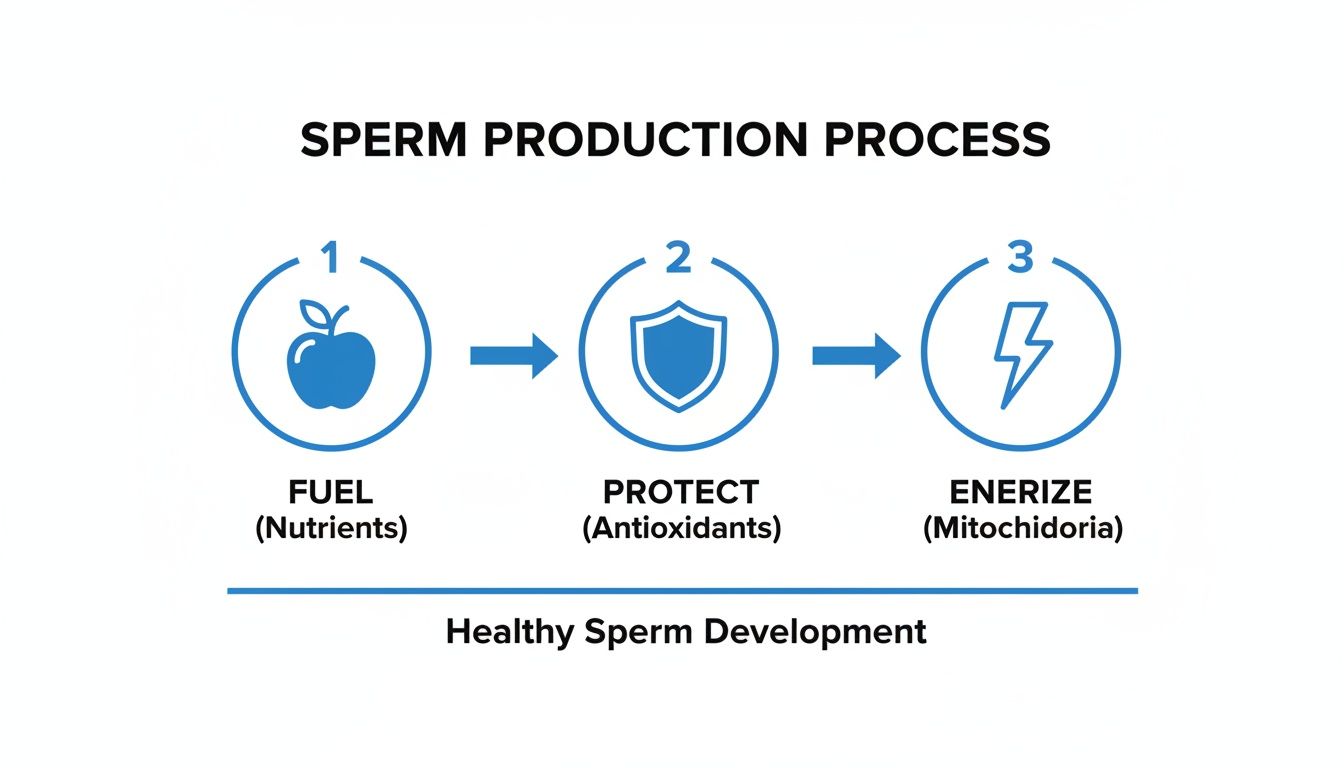
As you can see, good nutrition provides the fuel for development, antioxidants protect against damage, and key nutrients energize the final product for peak performance.
Making Sense of Your Lab Results
When you finally get your lab report, it can feel like you’re trying to read a foreign language. The page is often filled with medical jargon and numbers that don’t mean much on their own. What exactly does a "4% normal forms" result really signify?
This is where clear interpretation becomes so important. Instead of getting lost in the data, you need a way to see the big picture and understand what your results mean for your fertility goals. If you're looking to dive into the specifics of your report, our guide on how to read semen analysis results is a great place to start.
Don't get discouraged by an initial low score. A single test is just one data point. Your sperm quality can fluctuate, so the most important thing is to establish a baseline and then re-test after three months of consistent lifestyle improvements to see your progress.
Hera Fertility was designed to solve this exact problem. You can upload any existing semen analysis report to our platform for free and get an instant, easy-to-understand breakdown.
Our AI-powered system analyzes your numbers—including morphology—and translates them into a single, straightforward Hera SmartScore. This score gives you a clear measure of your overall sperm health, turning abstract percentages into a tangible metric you can track over time. It empowers you to see the direct impact of your efforts, confirming that your hard work is making a real difference.
When to See a Male Fertility Specialist
Making positive lifestyle changes is a powerful, proactive way to support your sperm health. For many men, these adjustments can lead to real, measurable improvements. But sometimes, diet and exercise aren't enough to move the needle, and that’s perfectly okay.
Recognizing when to bring in an expert isn’t a sign of failure—it's a smart, strategic step. If you've been consistently working on your health for several months but your semen analysis results just aren't budging, it might be time to consult a urologist or a male fertility specialist. These doctors are trained to look deeper into the potential underlying causes of poor sperm morphology.
Clear Signs It's Time for Expert Help
Deciding to see a specialist can feel like a big step, but certain situations make it the obvious next move. Don't hesitate to book an appointment if any of these scenarios sound familiar.
The most common trigger is getting consistently low morphology scores despite your best efforts. If you've dedicated three to six months to improving your habits and a follow-up test shows little to no change, there could be a medical reason that lifestyle adjustments alone can't fix.
You should also see a specialist if you have a known or suspected underlying medical condition.
- Varicocele: This is an enlargement of the veins in the scrotum, similar to a varicose vein in the leg. It's one of the most common correctable causes of male infertility and can directly impact sperm production and quality.
- Hormonal Imbalances: Problems with testosterone or other key hormones can easily disrupt the sperm production cycle.
- Past Surgeries or Injuries: Any previous medical issues involving the groin or reproductive organs warrant a professional evaluation.
Finally, pay attention to your overall health. If you notice other symptoms alongside your fertility concerns—like pain, swelling, or issues with sexual function—a specialist can help connect the dots and provide a comprehensive diagnosis.
Actionable Next Step: If you have tried lifestyle changes for 3-6 months with no improvement in lab results, or if you have any of the medical conditions listed above, schedule an appointment with a urologist or male fertility specialist.
What to Expect from Your First Consultation
Walking into a specialist's office for the first time can be intimidating, but knowing what to expect can ease any anxiety. The main goal of this initial meeting is for the doctor to get a complete picture of your health history and current situation.
You'll likely go over your semen analysis results in detail, review your medical history, and talk about your lifestyle and any changes you've made. The specialist will probably perform a physical examination as well. This is all standard procedure and helps them identify any potential issues that need a closer look.
Seeking expert help is about gaining clarity. A specialist can rule out serious underlying conditions, offer advanced testing, and create a targeted treatment plan, moving you from guesswork to a clear path forward.
Based on this initial assessment, your doctor might recommend more advanced tests. This could include hormonal blood work, genetic testing, or an ultrasound to check for physical issues like a varicocele. These tests provide crucial information that helps tailor a treatment plan specifically for you.
Understanding Your Treatment Options
The guidance you receive will be highly personalized. For some men, the solution might be a minor surgical procedure to correct a varicocele. For others, hormone therapy could be recommended to rebalance the body's systems and support healthy sperm production.
When morphology is persistently low, a specialist's input becomes critical. Fertility treatment outcomes are often directly linked to sperm morphology thresholds. Samples with less than 5% normal morphology are sometimes classified as having a 'poor prognosis' and may require more advanced interventions.
For example, one study found that in intrauterine insemination (IUI) cycles, successful outcomes occurred in 20.2% of patients with normal sperm morphology greater than 5%. This dropped to just 7.7% for patients with morphology below that threshold. You can read the full study on morphology and treatment outcomes for more details.
This data highlights why an expert opinion is so valuable. A specialist can help you make sense of these numbers and guide you toward the most effective path based on your unique results, ensuring you're making the best possible decisions for your future family.
Common Questions About Improving Sperm Morphology
When you're trying to improve sperm morphology, a lot of questions pop up. It's totally normal to wonder about timelines, what a "good" score actually looks like, and what's even possible. Let's tackle some of the most common concerns men have.
How Long Does It Take to See Improvements?
This is usually the first thing men want to know. The full sperm production cycle, a process called spermatogenesis, takes roughly 74 days from start to finish. Think of it like a biological assembly line.
Because of this timeline, any positive changes you make—whether to your diet, exercise routine, or lifestyle—won't show up in a semen analysis immediately. It's best to wait at least two to three months before you get re-tested. This gives your body enough time to produce a whole new batch of sperm in the healthier environment you've created. Consistency during this period is what really drives meaningful results.
Can I Still Conceive with Low Sperm Morphology?
The short answer is yes, absolutely. It is completely possible to achieve a pregnancy naturally even with a low sperm morphology score.
A diagnosis of teratozoospermia just means a smaller percentage of your sperm are perfectly shaped; it doesn't mean you have zero normal sperm. Think about it: every ejaculate contains millions of sperm. Even with a low score of 1% or 2%, that can still leave tens of thousands of well-formed sperm ready to get the job done.
The whole point of improving your morphology isn't to chase a perfect number. It's about stacking the odds in your favor. Even a small percentage increase can significantly boost the total number of viable sperm.
While a lower score can make things more challenging, it’s by no means a dealbreaker, especially if your other key numbers—like sperm count and motility (how they swim)—are solid.
What Is a Good Score for Sperm Morphology?
Most men are surprised to learn what's considered a "good" or "normal" score. A perfect 100% score just doesn't exist. In fact, it's completely normal for the vast majority of sperm in any given sample to have some sort of defect.
According to the latest World Health Organization (WHO) standards, a normal score is just 4% or higher.
That's right—if at least 4 out of every 100 sperm have a normal shape, you fall within the fertile range for this parameter. The goal isn't perfection. It's about building healthier habits to get above that 4% threshold and give yourself the best possible shot. Understanding this benchmark can help you set realistic expectations and cut down on the anxiety that often comes with these results.
Ready to stop guessing and start tracking your progress? Hera Fertility makes it easy to get a physician-approved lab test and translates your results into a simple, actionable Hera SmartScore. Take the first step toward clarity and understand your sperm health today. Get your physician-approved lab requisition now.
Related Resource Articles
-
Your Complete Guide to the 8 Signs of Healthy Sperm in 2026
Unlocking male fertility starts with understanding the 8 signs of healthy sperm. Learn what sperm count, motility, and morphology really mean for men.
24 min read
-
8 Foods That Increase Sperm Count and Motility: A 2026 Guide for Men
Discover the top 8 foods that increase sperm count and motility. This guide offers actionable dietary tips for men trying to conceive and improve sperm quality.
25 min read
-
How to naturally increase sperm count: A practical guide for men
How to naturally increase sperm count: Science-backed tips on diet, lifestyle, and habits to boost male fertility.
21 min read