Thinking about how to naturally increase your sperm count is a great first step toward taking control of your reproductive health. The simple truth is that men can often improve their numbers through targeted changes in diet, exercise, and daily habits.
Since the male body produces new sperm approximately every 74 days, the positive choices you make today can lead to measurable improvements in just a few months.
Why Sperm Health Is a Conversation Worth Having

It’s a topic many men think about but rarely discuss openly. If you're looking into your sperm count, you're not just worrying about a number—you're being proactive about your health. This isn’t about diagnosing a problem; it’s about embracing an opportunity for improvement.
The conversation around male fertility is more relevant than ever. Did you know that global average sperm counts have plummeted by more than 50% since 1973? Studies show the average dropped from 101.2 million sperm per milliliter to just 49 million by 2018, and this trend has accelerated in recent years. This highlights why paying attention to male reproductive health is so critical.
What Is Sperm Count and Why Does It Matter?
So, what exactly is "sperm count"? It’s the total number of sperm in a given sample of semen, and it's one of the primary metrics used in a semen analysis to assess a man's fertility potential. A higher sperm count generally increases the chances of conception.
But it's just one piece of the puzzle. Other critical factors for male fertility include:
- Motility: This measures how well sperm can move or "swim." Healthy movement is crucial for sperm to travel effectively.
- Morphology: This refers to the size and shape of the sperm. Properly shaped sperm are better equipped to achieve fertilization.
Understanding these three core pillars—count, motility, and morphology—is essential. Improving just one can have a significant impact, but a holistic approach that addresses all three gives you the best chance of enhancing your overall fertility.
Taking the First Step in Your Fertility Journey
The good news is that you have the power to make a real difference through natural, evidence-backed strategies. This guide will walk you through actionable steps, demystifying the process and showing you how to support your body’s reproductive functions.
Actionable Next Step: As you start, it can also be helpful to recognize the key male infertility signs. Taking this first step is all about being informed and empowered on your journey.
The Role of Diet in Building Healthier Sperm
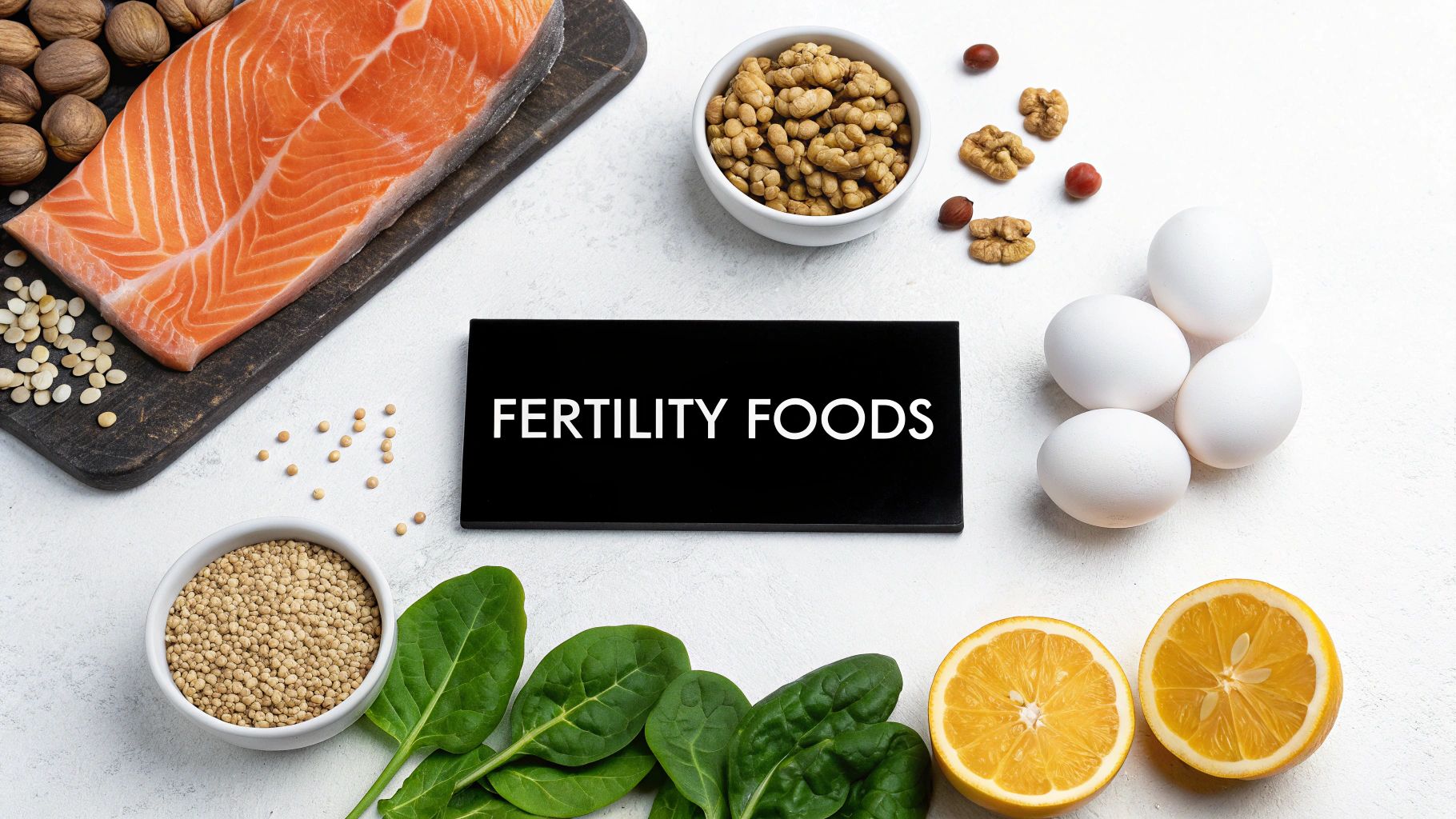
It’s an old saying, but it holds true: you are what you eat. Just like a high-performance engine needs premium fuel, your body needs the right nutrients to produce high-quality sperm. The foundation for healthier sperm is built plate by plate, meal by meal.
Think of sperm as highly specialized cells that need a very specific set of building blocks to develop correctly. If a man is low on certain vitamins and minerals, it can compromise sperm structure, their ability to swim, and even the integrity of the DNA they carry. This makes a targeted nutritional strategy one of the most powerful tools you have for naturally improving sperm count and quality.
Fueling Production with Key Nutrients
When it comes to male reproductive health, a few micronutrients are absolute superstars. They are essential components in the complex process of spermatogenesis—the 74-day cycle of creating new sperm. Making sure you get enough of these can lead to measurable differences in your semen analysis results.
Here are the key players your body is counting on:
- Zinc: Often called the cornerstone of male fertility, zinc is critical for sperm formation, motility, and testosterone metabolism. It's no surprise that low zinc levels are frequently linked to poor sperm quality.
- Selenium: This is a powerful antioxidant that shields developing sperm from oxidative damage, which is a major threat to their DNA. Selenium also helps maintain the structural integrity of sperm.
- Folate (Vitamin B9): Working as a team with zinc, folate is essential for sperm DNA synthesis. A deficiency can lead to improperly formed sperm, hurting both count and quality.
- Vitamin C: Another potent antioxidant, Vitamin C defends sperm from free radical damage, which can help improve count, motility, and morphology (shape).
- Vitamin E: This antioxidant works in synergy with selenium to protect sperm cell membranes from damage, preserving their ability to swim effectively.
- Coenzyme Q10 (CoQ10): CoQ10 is vital for the tiny "engines" (mitochondria) inside sperm cells, directly fueling their ability to swim.
- Omega-3 Fatty Acids: These healthy fats are a core component of the sperm cell membrane, enhancing its fluidity and overall function.
Adopting a Fertility-First Eating Pattern
Instead of just chasing individual nutrients, adopting a holistic dietary pattern often yields the best results. The Mediterranean diet, for example, is consistently associated with better sperm health. This way of eating is all about whole foods, healthy fats, and lean proteins, while keeping processed junk to a minimum.
The research is compelling. One 2019 study showed that men who ate fatty fish twice a week saw a 40% increase in sperm counts, thanks to omega-3s. In another, boosting zinc with foods like oysters and nuts raised levels by up to 74% in men with a deficiency.
Perhaps most impressively, simply adopting a Mediterranean-style diet has been shown to improve sperm count by 35% and motility by 40% in just three months. To learn more, you can read the full research about these dietary impacts.
So, what does a fertility-focused grocery list actually look like? This table breaks it down.
Fertility-Boosting Foods and Nutrients
Here’s a quick reference guide to the most important nutrients for sperm health, why they matter, and the best places to find them in your diet.
| Nutrient | Why It Helps | Top Food Sources |
|---|---|---|
| Zinc | Essential for sperm formation and testosterone production. | Oysters, beef, pumpkin seeds, lentils, and chickpeas. |
| Selenium | Protects sperm from oxidative stress and aids in motility. | Brazil nuts (limit to 1-2 per day), tuna, sardines, and eggs. |
| Folate | Critical for sperm DNA health and development. | Spinach, kale, asparagus, Brussels sprouts, and avocados. |
| Vitamin C | An antioxidant that improves count, motility, and morphology. | Bell peppers, oranges, kiwis, strawberries, and broccoli. |
| Omega-3s | Improves sperm membrane function and overall quality. | Salmon, mackerel, walnuts, chia seeds, and flaxseeds. |
Actionable Next Step: Start by adding a handful of these foods to your daily routine. It's a simple but effective step toward better male fertility.
Foods and Habits to Limit for Better Sperm Health
What you don't eat can be just as important as what you do. Certain foods and substances create inflammation and oxidative stress in the body—two of the biggest enemies of healthy sperm production.
Making a conscious effort to cut back on the following can be a powerful move for men:
- Processed Meats: Bacon, hot dogs, and deli meats are often high in saturated fats and preservatives, which have been linked to lower sperm counts and motility.
- Trans Fats: Commonly found in fried foods, baked goods, and some margarines, trans fats can increase inflammation and negatively impact sperm health.
- High Sugar Intake: Diets loaded with sugar and refined carbs can lead to insulin resistance, which can disrupt the delicate hormonal balance needed for sperm production.
- Excessive Soy: Soy contains phytoestrogens, plant-based compounds that can mimic estrogen. While moderate amounts are fine, very high consumption might impact male hormone levels.
- Heavy Alcohol Consumption: More than a few drinks per week can lower testosterone, reduce sperm production, and even alter sperm shape.
Remember, this is a marathon, not a sprint. You don't need to overhaul your entire life overnight. Start by swapping one processed snack for a handful of walnuts or adding a side of spinach to your dinner. These small, consistent changes really do add up, creating a healthier internal environment where sperm can thrive.
Lifestyle Habits That Directly Impact Male Fertility
While diet provides the building blocks for healthy sperm, your daily habits create the environment where they either thrive or struggle. Think of your lifestyle as the operating system for your body’s manufacturing plant. Small, consistent tweaks to this system can lead to some of the most significant gains on your fertility journey.
Every man's body is unique, of course, but the core principles are universal. Finding balance, managing stress, and getting real rest are the keys to unlocking better reproductive health. These changes aren't just about sperm count; they support your overall well-being, creating a positive feedback loop that benefits every part of your life.
Find Your Balance with Exercise
Regular physical activity is one of the best things a man can do for his fertility. Moderate exercise is fantastic for maintaining a healthy weight, boosting blood flow, and supporting a strong hormonal profile—all critical for robust sperm production.
But more isn't always better. There’s a definite sweet spot here. Strenuous, high-endurance exercise can sometimes backfire by placing too much stress on the body, which can tank testosterone levels.
Here’s how to find the right balance:
- Aim for Consistency: Get in 30-45 minutes of moderate activity most days of the week. Think brisk walking, jogging, or cycling.
- Add Strength Training: Lifting weights two or three times a week is a proven way to help boost testosterone and improve body composition.
- Listen to Your Body: Avoid pushing yourself to utter exhaustion. Overtraining raises cortisol (the stress hormone) and will work against your goals.
The Critical Role of Weight Management
Maintaining a healthy Body Mass Index (BMI) is directly tied to better sperm parameters. Excess body fat can seriously disrupt the delicate hormonal cascade needed for making sperm. Specifically, it increases the conversion of testosterone into estrogen, creating an imbalance that puts the brakes on production.
The good news? Even losing a small amount of weight can have a noticeable impact. Men who are overweight and lose just 5-10% of their body weight often see real improvements in sperm count, concentration, and motility. The one-two punch of a balanced diet and regular, moderate exercise is the most effective strategy out there.
Master Your Sleep and Manage Stress
In our always-on world, sleep and stress are often the first things to go. But for male fertility, they are absolutely non-negotiable.
When you're dealing with chronic stress, your body pumps out cortisol, a hormone that directly interferes with testosterone production. It’s a biological killjoy for male fertility.
Likewise, poor or insufficient sleep wrecks your body's natural hormonal rhythms. The majority of testosterone release in men happens during sleep. If you're consistently getting less than 7-8 hours a night, you could be significantly lowering your testosterone, impacting both your libido and your sperm production.
Key Takeaway: Treat sleep like a critical part of your fertility plan. Prioritizing 7-9 hours of quality sleep is one of the most powerful natural ways to support healthy hormone levels and robust sperm development.
Quitting Smoking and Moderating Alcohol
Let's be blunt: smoking is a disaster for sperm health. The toxins in cigarette smoke create massive oxidative stress, which damages sperm DNA, cripples sperm motility, and lowers your overall count. The research is crystal clear—smokers consistently have poorer semen quality than non-smokers.
Alcohol needs to be handled with care, too. An occasional drink probably won't hurt, but heavy or chronic drinking can have a major negative impact. It can lower testosterone, mess with sperm shape and movement, and slash overall production. Moderation is essential. Limiting yourself to just a few drinks per week is a smart move.
This guide on how to balance hormones naturally offers more great insights into how these lifestyle factors tie into your overall hormonal health.
Your Practical Next Steps
Making these changes doesn't have to feel like a massive overhaul. Start small and build momentum.
- Schedule Your Workouts: Put exercise on your calendar like any other important appointment. This makes it real and holds you accountable.
- Create a Wind-Down Routine: An hour before bed, ditch the screens. Read a book, listen to calming music, or do some deep breathing to prep your body for deep, restorative sleep.
- Find a Healthy Stress Outlet: Whether it's hiking, meditation, woodworking, or playing an instrument, find a constructive way to blow off steam.
- Get Support to Quit: If you smoke, don't go it alone. Use apps, find a support group, or talk to your doctor to create a solid plan to quit for good.
Navigating Environmental Risks to Protect Your Sperm
Your everyday environment is full of things that can quietly impact sperm production. While you can't live in a bubble, you can absolutely take control of your immediate surroundings to protect your fertility. The goal isn't to get stressed out about every little thing, but to make a few smart, practical changes that really add up.
We're mainly looking at two big culprits: endocrine-disrupting chemicals and excessive heat. Both can mess with the delicate hormonal signals and temperature balance needed for healthy sperm development. A few simple adjustments can make a huge difference.
Avoiding Endocrine Disruptors
Think of endocrine disruptors as chemical impostors. They're substances that can mimic or block the male hormones your body relies on to produce sperm. They're surprisingly common, but you can sidestep a lot of them once you know where they hide.
The main ones to watch out for are BPA (Bisphenol A) and phthalates.
- BPA lurks in many hard plastics and the epoxy linings of food cans. Studies have linked it to lower sperm count, concentration, and motility.
- Phthalates are used to make plastics soft and flexible. You'll find them in things like vinyl flooring, food packaging, and even personal care products like lotions, shampoos, and colognes.
Making a few small swaps can dramatically cut down your exposure. Ditching plastic food containers for glass or stainless steel is an easy win. You can also look for personal care products specifically labeled "phthalate-free" and make a habit of never microwaving food in plastic.
Limiting your exposure isn't about perfection; it's about making conscious choices. Every small swap, like using a glass water bottle instead of a plastic one, collectively reduces the chemical load on your body and supports your fertility goals.
Keeping Things Cool for Optimal Production
Here’s a simple biological fact: sperm production hates heat. Your testicles hang outside your body for a reason—they need to stay a few degrees cooler than your core body temperature to do their job properly. When they get too hot, sperm production can slow to a crawl.
This is why prolonged heat exposure is a well-known risk for male fertility. The effect is usually temporary, but it has a long tail. Since sperm take about 74 days to fully mature, that one long soak in a hot tub can affect your semen analysis results for nearly three months.
Be mindful of these common heat sources:
- Hot tubs and saunas: Probably the biggest offenders. It's best to limit or avoid them completely when focusing on fertility.
- Laptops on your lap: The heat from your computer directly warms your scrotum. A lap desk or just using a table is a much safer bet.
- Heated car seats: Frequent, long-term use can create a similar overheating problem.
- Tight underwear: Ditch the briefs for looser-fitting boxers. This allows for better air circulation and natural temperature regulation.
It's also worth noting that some environmental toxins present more direct health risks. For instance, knowing how to test for carbon monoxide in your home is crucial for general well-being, which is the foundation of good fertility.
Common Sperm Health Saboteurs and Simple Swaps
Knowing what to avoid is half the battle; knowing what to do instead is what makes a real impact. This table breaks down some common environmental hazards and gives you simple, actionable swaps to protect your sperm health.
| Factor to Limit | Potential Impact | Easy Alternative |
|---|---|---|
| Plastic Food Containers | Leaching of BPA and phthalates into your food. | Switch to glass, stainless steel, or ceramic containers. |
| Hot Tubs & Saunas | Raises scrotal temperature, harming sperm production. | Opt for warm showers instead of prolonged soaks. |
| Laptop Directly on Lap | Overheats the testicles, impairing sperm development. | Use a lap desk or place the laptop on a table. |
| Scented Personal Products | Often contain phthalates to hold fragrances. | Choose products that are labeled "fragrance-free" or "phthalate-free." |
| Canned Foods | Can linings may contain BPA that can leach into food. | Prioritize fresh or frozen foods whenever possible. |
Actionable Next Step: Choose one item from the "Easy Alternative" column and implement it this week. Small, consistent changes create the biggest long-term benefits.
How to Measure What Matters and Track Your Progress
Making positive changes is a huge first step, but how do you know if your efforts are actually paying off? Without tracking your progress, you're just guessing. This is where understanding your numbers and being patient becomes your secret weapon.
First things first, let's talk about timelines. The male body is constantly producing new sperm in a process called spermatogenesis, which takes about 74 days from start to finish. This means any positive changes you make today—whether it's overhauling your diet or quitting smoking—won't fully show up in your results for roughly two to three months. Knowing this upfront is key to staying motivated for the long haul.
Understanding Your Semen Analysis Results
The gold standard for checking in on your sperm health is a semen analysis. It’s a comprehensive lab test that gives you a detailed snapshot of your fertility by evaluating several key metrics. The report might look a little intimidating at first, but it really boils down to three core areas.
Think of it as a report card for your sperm. The main "subjects" are:
- Sperm Count (Concentration): This is the total number of sperm per milliliter of semen. The World Health Organization (WHO) considers a count of 15 million sperm/mL or more to be in the normal range.
- Motility: This measures what percentage of your sperm are actively swimming with purpose. Strong, forward-moving sperm are essential for fertilization.
- Morphology: This refers to the shape and structure of your sperm. A properly formed head, midpiece, and tail are critical for the sperm's function.
These three pillars all work together. A sky-high sperm count doesn't mean much if the sperm can't swim straight or are abnormally shaped. For a deeper dive into the numbers, check out our guide on how to read semen analysis results.
Why Baseline Testing Is So Important
Getting a baseline test before you start making changes is one of the most powerful things a man can do. It gives you a starting point—a benchmark to measure all your future progress against. This is especially important when you look at the bigger picture.
Recent research is pretty sobering: sperm counts in men across all continents dropped by a staggering 51.6% between 1973 and 2018. Even more concerning, the yearly rate of decline more than doubled to 2.64% after 2000. These trends highlight why proactive testing is so critical for understanding your personal fertility status. You can read more about these global sperm health findings.
Getting a baseline isn't about getting a "good" or "bad" score. It's about gathering information. This data empowers you to see exactly how your choices—from adding more leafy greens to your diet to cutting back on hot tubs—directly influence your numbers over time.
This infographic outlines a few simple but effective measures you can take to protect and support your sperm health.
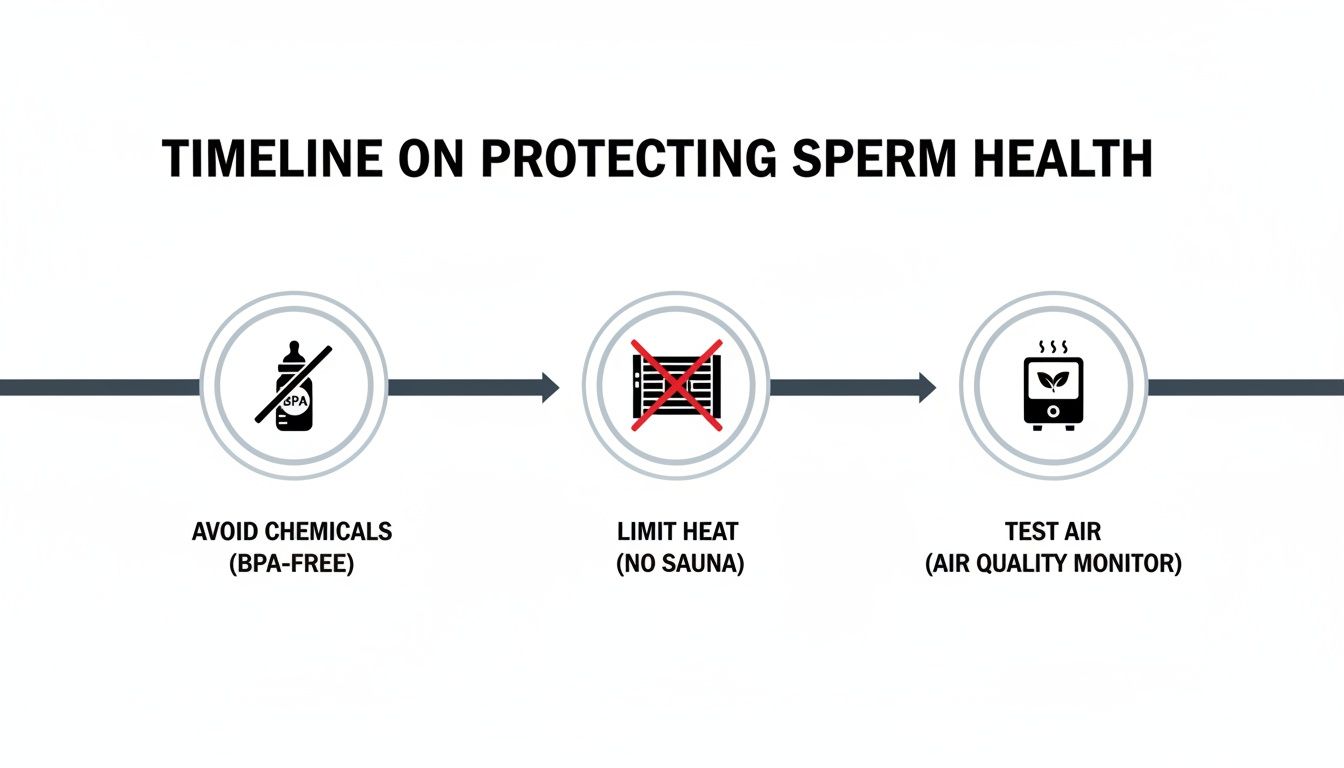
It really comes down to simple, actionable steps like avoiding endocrine-disrupting chemicals, limiting heat exposure to the scrotum, and being mindful of air quality—all of which contribute to a healthier reproductive environment.
Tracking Progress with Hera Fertility
Let's be honest, traditional lab reports can be a nightmare to read. They're often dense, confusing, and filled with medical jargon that leaves you with more questions than answers.
That’s where a tool like Hera Fertility comes in. We simplify the entire process. We make it easy to get physician-approved testing at a certified lab near you, and then we do the heavy lifting for you.
Our platform translates all the complex data from your semen analysis into a single, easy-to-understand Hera SmartScore. Instead of trying to connect the dots between multiple percentages and values, you get a clear picture of your overall sperm health and a personalized action plan based on your specific results.
By re-testing every few months, you can watch your Hera SmartScore change and see the direct impact of your hard work. This data-driven approach takes the guesswork out of the equation, giving you the clarity and motivation you need to succeed on your journey.
Your Top Questions About Improving Sperm Count
When you start digging into how to improve sperm health naturally, a lot of questions pop up. It's totally normal. As you begin making positive changes, you'll naturally wonder about timelines, what actually works, and when it might be time to loop in a professional. Let's tackle some of the most common questions we hear.
How Long Until I See an Increase in Sperm Count?
This is easily the most common question, and the answer is all about male biology. The key here is patience. The entire production line for sperm—from a brand new cell to a fully mature swimmer—takes about 74 days.
This biological clock means any changes you make today, whether it's overhauling your diet or finally quitting smoking, won't really show up in a semen analysis for roughly two to three months. Fertility specialists almost always recommend waiting a full three months after implementing healthy habits before retesting. That gives you a truly accurate picture of your progress.
Are Supplements Actually Proven to Help Increase Sperm Count?
Yes, for some men, they absolutely can be. A good amount of research backs up specific supplements for improving key sperm health metrics. Some of the heavy hitters include Coenzyme Q10 (CoQ10), Zinc, Ashwagandha, and Selenium. These often work by fighting off oxidative stress or providing the raw materials sperm need to develop properly.
But here's the catch: their effectiveness often depends on whether you're deficient in the first place. That's why it's always smart to talk with your doctor before starting a new supplement routine. They can help figure out if supplements are a good move for you and recommend the right dose for your specific situation.
Does How Often I Ejaculate Affect My Sperm Count?
This is a classic concern, and the answer isn't a simple yes or no. If a man ejaculates multiple times in one day, his sperm concentration in each sample will temporarily drop. On the flip side, waiting too long (think more than five days) isn't the answer either. When a man abstains for extended periods, he can end up with an accumulation of older, slower, and potentially damaged sperm.
For men focused on conception, ejaculating every one to two days is often recommended. This schedule helps ensure a fresh, healthy supply of sperm is always available.
When Is It Time to See a Doctor About My Sperm Count?
Knowing when to call in an expert is a critical step. The general rule of thumb is for a man to see a doctor if conception hasn't occurred after one year of trying.
However, you should think about seeing a urologist or male fertility specialist sooner if you have any known risk factors. These could include things like:
- A history of testicular injury, surgery, or other issues.
- A varicocele (enlarged veins in the scrotum).
- Any past problems with sexual function.
Actionable Next Step: Getting a baseline semen analysis is one of the most powerful first steps you can take. It gives you and your doctor invaluable data to map out your next steps and build a plan that's tailored to you.
Understanding where you stand is the first step toward making meaningful improvements. With Hera Fertility, you can get a clear, data-driven picture of your fertility and receive a personalized action plan to guide your journey. Start with a physician-approved test and turn complex lab results into a simple, actionable score. Learn more and take control of your reproductive health at https://herafertility.co.
Related Resource Articles
-
How to increase sperm count: Practical, science-backed tips for men
Discover how to increase sperm count with science-backed lifestyle changes, nutrition, and practical steps to boost male fertility.
22 min read
-
10 Proven Ways for How to Sperm Count Increase in 2026
Searching for how to sperm count increase? This guide covers 10 evidence-based lifestyle changes, supplements, and medical options to boost male fertility.
27 min read
-
How to improve sperm morphology fast: 2026 Guide for Men's Health
Discover how to improve sperm morphology fast with proven diet, supplements, and lifestyle tips for 2026.
23 min read