Understanding your reproductive health is a crucial step on the path to fatherhood, and for many men, sperm motility is a key area of focus. Motility, which is the ability of sperm to swim effectively forward, is a primary indicator of male fertility. When sperm can't move properly, their journey becomes significantly more challenging. This guide is designed exclusively for men, providing clear, actionable strategies to help you understand and improve this vital aspect of your reproductive health. If you've received a semen analysis report that left you with more questions than answers, or if you are proactively looking to optimize your male health, you are in the right place.
We will provide a straightforward, evidence-based plan that demystifies the process of improving sperm motility. You will learn not only what motility means but also how to get a reliable assessment and interpret your results with clarity. We will cover prioritized lifestyle changes, targeted supplementation, and practical interventions that can make a real difference. The goal is to move beyond confusing medical jargon and provide a concrete roadmap.
This article cuts through the noise to deliver a step-by-step plan focused on tangible outcomes for men. We'll explore everything from specific dietary adjustments and exercise routines to advanced testing and professional support, ensuring you have the tools needed to take control of your fertility journey. Let's explore the most effective methods for how to improve motility of sperm, transforming complex data into a clear plan and empowering you to move forward with confidence and a clear direction.
1. Regular Exercise and Physical Activity
Engaging in regular physical activity is a cornerstone of overall health, and its benefits extend directly to male reproductive function. Exercise works to improve the motility of sperm by enhancing cardiovascular health, which ensures robust blood flow and oxygen delivery to the reproductive organs. It also plays a critical role in balancing key hormones, such as testosterone and luteinizing hormone (LH), which are essential for healthy sperm production.
Studies consistently show that men who lead an active lifestyle have better sperm parameters than those who are sedentary. This isn't about extreme athleticism; it's about consistent, moderate movement. The positive changes are driven by a reduction in oxidative stress, improved hormone regulation, and better testicular function, creating an optimal environment for sperm development and maturation.

Why Exercise Works and When to Implement It
You should consider incorporating a structured exercise routine if you are currently sedentary or if your lifestyle involves long periods of sitting. The positive effects can be seen relatively quickly, as the sperm production cycle takes about 74 days. Men who started a consistent exercise plan have shown measurable improvements in motility within just 12 weeks.
For example, a man with a desk job who began a simple 30-minute daily walk demonstrated a 20% improvement in sperm motility over three months. This highlights that even moderate changes can yield significant results.
Actionable Tips for Implementation
To effectively harness the benefits of exercise for sperm health, focus on consistency and moderation.
- Aim for the Right Amount: Strive for at least 150 minutes of moderate-intensity aerobic activity (like brisk walking or swimming) or 75 minutes of vigorous-intensity activity (like jogging or HIIT) each week.
- Mix It Up: A combination of aerobic exercise and resistance training (weightlifting) appears to offer the best results for hormonal balance and overall male health.
- Be Mindful of Cycling: While cycling is excellent cardio, prolonged or intense cycling can increase scrotal temperature, which may negatively impact sperm. If you are an avid cyclist, consider using a padded, ergonomic seat and mixing in other forms of exercise.
- Prioritize Recovery: Overtraining can be as harmful as being sedentary. It can suppress key hormones and increase stress on the body. Ensure you incorporate rest days into your weekly routine.
- Actionable Next Step: Start by scheduling three 30-minute walks this week. Gradually increase the duration and intensity as you build stamina.
For a deeper dive into how lifestyle factors impact sperm, you can explore the principles of improving sperm health on herafertility.co.
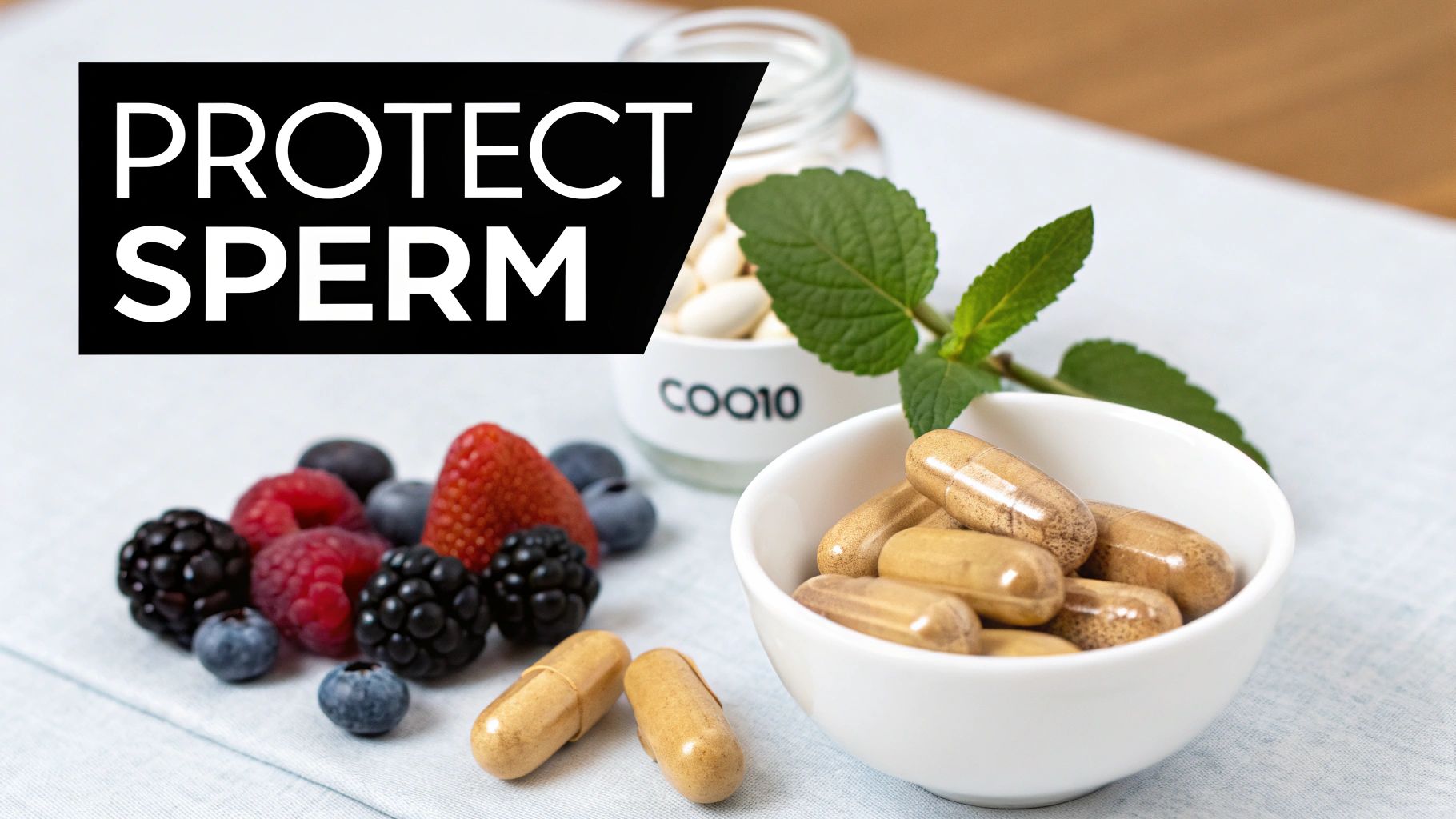
2. Antioxidant Supplementation (Coenzyme Q10, Vitamin E, and Selenium)
Oxidative stress is a primary culprit behind poor sperm motility. It occurs when there is an imbalance of damaging molecules called reactive oxygen species (ROS) and the body's ability to neutralize them. These molecules can harm sperm cell membranes and impair mitochondrial function, which is critical for the energy sperm need to swim. Antioxidants are powerful compounds that improve the motility of sperm by neutralizing these harmful ROS.
Specific antioxidants like Coenzyme Q10 (CoQ10), vitamin E, and selenium have been extensively studied and proven effective. They work together to protect sperm from cellular damage, preserving their structure and energy production centers. This protection directly translates to better movement and a higher chance of success.
Why Antioxidants Work and When to Implement Them
You should consider targeted antioxidant supplementation if a semen analysis indicates poor motility or if you have risk factors for oxidative stress, such as intense athletic training, smoking, or exposure to environmental toxins. Since the sperm production cycle lasts roughly three months, a consistent supplementation plan can yield measurable improvements in that timeframe.
For example, clinical studies have shown significant gains. One study involving men with elevated ROS levels demonstrated a 30-40% improvement in progressive motility after three months of taking 300mg of CoQ10 daily. This shows that directly targeting oxidative stress with the right nutrients can create a healthier environment for developing sperm.
Actionable Tips for Implementation
To maximize the benefits of antioxidant therapy, a strategic and informed approach is key.
- Choose the Right Combination: Start with a core regimen of CoQ10 300mg daily, Vitamin E 400 IU, and Selenium 200mcg. This trio has been shown to work synergistically.
- Opt for Superior Forms: Use the ubiquinol form of CoQ10, as it is more easily absorbed by the body than the more common ubiquinone form.
- Enhance Absorption: CoQ10 and Vitamin E are fat-soluble. Take them with a meal that contains healthy fats (like avocado, nuts, or olive oil) to ensure your body absorbs them effectively.
- Verify Supplement Quality: Look for supplements that have been third-party tested and certified by organizations like NSF or USP. This ensures you are getting the ingredients and dosages listed on the label.
- Actionable Next Step: Before purchasing supplements, consult with a urologist or a men's health specialist to confirm this is the right approach for you and to rule out other underlying issues.
3. L-Carnitine and L-Arginine Amino Acid Supplementation
Supplementing with specific amino acids like L-carnitine and L-arginine can directly fuel sperm and support the systems necessary for their function. These powerful compounds are essential building blocks that improve the motility of sperm by targeting energy production and circulatory health. L-carnitine is crucial for transporting fatty acids into the mitochondria, which act as the powerhouses of sperm cells, generating the energy needed for movement.
Meanwhile, L-arginine is a precursor to nitric oxide, a molecule that helps relax blood vessels and improve circulation throughout the body, including to the reproductive organs. This enhanced blood flow ensures that the testicles receive a steady supply of oxygen and nutrients. This dual-action approach of boosting cellular energy and optimizing systemic support creates a more favorable environment for sperm to develop strong swimming capabilities.
Why Supplementation Works and When to Implement It
You should consider this approach if a semen analysis reveals poor motility, particularly if advanced testing shows low seminal carnitine levels. Because these amino acids are so fundamental to sperm energy, men with deficiencies often see the most significant benefits. The positive impact can be observed within a few months, aligning with the approximately 74-day sperm production cycle.
For instance, a clinical study involving men with asthenozoospermia (low sperm motility) demonstrated that taking 2 grams of L-carnitine twice daily led to a 50% improvement in progressive motility. Another study combining L-carnitine and L-arginine therapy noted not only enhanced motility but also higher conception rates among participants.
Actionable Tips for Implementation
To effectively use these supplements, focus on the right dosage, form, and complementary nutrients.
- Choose the Right Form: Opt for L-carnitine L-tartrate, as this form has better bioavailability and is more easily absorbed by the body compared to other forms like DL-carnitine.
- Follow Recommended Dosages: A standard therapeutic dose is 1-2 grams of L-carnitine twice daily with meals to improve absorption. For L-arginine, aim for 2-3 grams daily, often taken in divided doses.
- Consider Synergistic Support: Combine these amino acids with Coenzyme Q10 (CoQ10), another powerful antioxidant that supports mitochondrial energy production, for a more potent effect.
- Incorporate Dietary Sources: Complement supplementation by increasing your intake of red meat and dairy products, which are natural sources of L-carnitine.
- Actionable Next Step: Track your progress by scheduling a follow-up semen analysis every 8 to 12 weeks after starting the regimen. This will provide clear data on whether the supplements are having the desired effect.
To better understand how these supplements fit into a broader strategy, you can explore this guide to improving sperm motility on herafertility.co.
4. Heat Reduction and Scrotal Temperature Management
Proper temperature regulation is one of the most critical and often overlooked factors in male fertility. Spermatogenesis, the process of sperm production, is highly sensitive to heat and occurs optimally at a temperature 1-3°C below the normal body temperature. Exposing the testicles to elevated temperatures can significantly impair sperm function, while reducing heat helps improve the motility of sperm by preventing heat-induced damage.
Excessive heat impairs the function of the Sertoli cells, which support sperm development, and can damage the sperm's mitochondria, the tiny "engines" that power their swimming ability. Studies show that even short-term exposure to heat can reduce progressive motility within days or weeks. Fortunately, this is one of the few interventions with rapid, measurable, and significant results when managed correctly.
Why Heat Reduction Works and When to Implement It
You should prioritize scrotal temperature management if your lifestyle involves prolonged sitting, frequent use of hot tubs or saunas, or if you wear tight, non-breathable clothing. Because the sperm production cycle is continuous, the negative effects of heat can be reversed relatively quickly once the source of heat is removed. Improvements can often be seen within 2-3 months.
For instance, research has shown that men with sedentary desk jobs who switched to more breathable clothing and incorporated standing breaks saw their sperm motility improve by 25-35%. Similarly, men who eliminated hot baths and saunas improved their progressive motility by an average of 20-25%, demonstrating a direct and impactful link between heat and sperm function.
Actionable Tips for Implementation
To effectively reduce scrotal heat and boost sperm motility, focus on simple, consistent changes to your daily habits and environment.
- Choose Breathable Underwear: Opt for loose-fitting boxers made from natural, breathable fabrics like cotton. This allows for better air circulation compared to tight briefs, which can trap heat close to the body.
- Avoid Prolonged Sitting: If you have a desk job, get up and walk around for a few minutes every hour. Consider using a standing desk to break up long periods of sitting and improve circulation.
- Eliminate High-Heat Activities: Temporarily stop using saunas, hot tubs, steam rooms, and hot yoga classes. These activities can raise scrotal temperature dramatically.
- Rethink Your Baths and Showers: Limit long, hot baths and opt for shorter, warm showers instead.
- Keep Laptops Off Your Lap: Laptops generate a significant amount of heat. Always place your computer on a desk or a laptop stand to avoid direct heat exposure.
- Actionable Next Step: Make one immediate change today. Swap tight briefs for boxers, or commit to standing up from your desk every 30 minutes. Small, consistent actions build momentum.
5. Comprehensive Semen Analysis and Motility Testing (Hera Platform)
To effectively improve the motility of sperm, you must first establish a clear and accurate baseline. A comprehensive semen analysis is the foundational step, providing a detailed snapshot of your reproductive health. This isn't just about sperm count; it focuses on critical motility parameters like total motility (the percentage of moving sperm) and progressive motility (sperm moving forward in a straight line).
Modern diagnostic tools like Computer-Assisted Semen Analysis (CASA) offer objective, precise measurements that are essential for creating a targeted improvement plan. Platforms like Hera Fertility use advanced AI, such as the SmartScore, to translate these complex laboratory results into understandable and actionable insights. This empowers men to understand exactly which aspects of their motility need attention and track the impact of any changes they make.
Why It Works and When to Implement It
You can't fix what you can't measure. A detailed analysis is crucial at the very beginning of your journey to identify any underlying issues. Without a baseline test, any efforts to improve sperm motility are essentially guesswork. This diagnostic step allows you to quantify your starting point and monitor progress effectively over time.
For instance, a man with 45% total motility might discover through a detailed analysis that his progressive motility is particularly low. This specific insight allows for a targeted intervention, such as supplementing with CoQ10 and L-carnitine. By retesting after three months, he can objectively see if the strategy worked, providing clear evidence of improvement. Similarly, understanding the specifics of your male factor fertility helps you and your urologist make informed decisions about the best path forward.
Actionable Tips for Implementation
To get the most out of your semen analysis and effectively track your progress, follow a structured approach.
- Test Your Baseline Immediately: As soon as you begin focusing on your reproductive health, schedule a comprehensive semen analysis to understand your starting point.
- Follow the Collection Protocol: Ensure you abstain from ejaculation for 2 to 7 days before providing a sample. This standardizes the test and provides the most accurate results.
- Retest to Track Progress: Since the sperm production cycle is about three months, plan to retest every 3-4 months after implementing lifestyle changes or treatments to measure their impact.
- Leverage AI for Clarity: If you have an existing report, you can upload it to platforms like Hera for an immediate AI-powered interpretation. Use the SmartScore to understand which parameters are most affecting your fertility.
- Actionable Next Step: Schedule a semen analysis with your doctor or order an at-home kit. Getting this baseline data is the single most important first step in taking control of your male fertility.
To get a better grasp of the data, you can learn more about how to read semen analysis results on herafertility.co.
6. Dietary Optimization (Mediterranean Diet, Micronutrients, Hydration)
The food you eat provides the fundamental building blocks for healthy sperm, and dietary composition directly impacts sperm motility. A strategic approach to nutrition can improve the motility of sperm by reducing systemic inflammation and oxidative stress, providing essential micronutrients for energy metabolism, and ensuring proper semen viscosity through hydration. An anti-inflammatory, nutrient-dense diet creates the ideal internal environment for sperm development and function.
Research consistently links certain dietary patterns, like the Mediterranean diet, with superior sperm health. Men following these diets, which are rich in fruits, vegetables, whole grains, and healthy fats, often show significantly better sperm motility than those consuming a typical Western diet high in processed foods and saturated fats.

Why Diet Works and When to Implement It
You should focus on dietary optimization if your current eating habits rely heavily on processed foods, refined sugars, and trans fats, or if your semen analysis reveals suboptimal motility. Since sperm regeneration takes approximately 74 days, consistent dietary changes can lead to measurable improvements within a single cycle, typically within 8 to 12 weeks.
For example, studies have shown that men who adhered to a Mediterranean-style diet had up to 20% higher progressive motility compared to those eating a Western diet. Similarly, men who actively reduced their intake of processed foods and added sugars saw motility improvements of 25-30% within three months, showcasing the powerful and relatively rapid impact of nutritional changes.
Actionable Tips for Implementation
To leverage your diet for better sperm health, prioritize whole foods and key nutrients while minimizing inflammatory items.
- Embrace the Mediterranean Model: Focus on fish (2-3 times per week for omega-3s), a wide variety of vegetables (7-9 servings daily), whole grains, olive oil, and nuts.
- Limit Processed Foods: Actively reduce your consumption of processed meats, refined carbohydrates (white bread, pastries), trans fats, and foods with excess sodium and added sugars.
- Target Key Micronutrients: Ensure you get adequate amounts of zinc (11mg/day from beef, pumpkin seeds, chickpeas), folate (400mcg/day from leafy greens, legumes), and vitamin C (90mg/day from citrus fruits, berries).
- Stay Well-Hydrated: Drink 2-3 liters of water daily to maintain optimal semen volume and viscosity, which is crucial for sperm movement.
- Actionable Next Step: For your next grocery trip, create a shopping list focused on Mediterranean foods. Plan to cook at least three meals this week using fish, olive oil, and a variety of fresh vegetables.
For a broader understanding of various dietary strategies that promote overall health, explore research on effective diets.
7. Intrauterine Insemination (IUI) with Motility-Optimized Sperm Preparation
When lifestyle and supplement optimizations aren't enough to overcome persistent motility issues, Intrauterine Insemination (IUI) offers a targeted medical intervention. This procedure can help improve the chances of conception by preparing and placing the most motile sperm directly into the uterus, bypassing natural barriers that can hinder sperm with lower motility.
The core of IUI's effectiveness lies in the laboratory preparation of the semen sample. Techniques such as density gradient centrifugation or a "swim-up" method are used to separate the most active, healthy sperm from the rest of the ejaculate. This concentrated sample of high-motility sperm is then used for the insemination, significantly increasing the odds of success.
Why IUI Works and When to Consider It
A man should consider IUI if he has persistently low-to-moderate sperm motility even after implementing lifestyle changes for several months. It is a logical next step before more invasive procedures, as it uses the man's own sperm but optimizes its potential. The process is particularly beneficial for men whose motility is the primary barrier to conception.
For instance, a man with a progressive motility of 35% might find that even after optimizing his diet and exercise, his numbers don't rise enough. By using IUI, a fertility lab can isolate the healthiest swimmers from his sample, turning a borderline parameter into a strong opportunity. Success rates for IUI average around 15-20% per cycle for male factor infertility, making it a valuable option for men to discuss with their specialist.
Actionable Tips for Implementation
To maximize the success of an IUI cycle from the male perspective, preparation and coordination are key. It begins with a clear understanding of your baseline and ongoing sperm health.
- Establish a Clear Baseline: Before starting any treatment, a man should complete a comprehensive semen analysis to get precise data on his sperm motility and other key parameters. This baseline is crucial for making informed decisions.
- Optimize Your Health First: A man should dedicate at least 3-4 months to improving all modifiable factors, such as diet, exercise, and supplements. This ensures the sperm sample he provides for the IUI procedure is of the highest possible quality.
- Retest Before the Procedure: A man should perform a follow-up semen analysis just before a scheduled IUI. This confirms any improvements and helps the clinic prepare the sample effectively.
- Follow Abstinence Guidelines: The fertility specialist will recommend an abstinence period, typically between 2 to 7 days, before providing the sample. This timing is designed to maximize sperm count and quality.
- Actionable Next Step: If lifestyle changes haven't yielded sufficient results after 6 months, schedule a consultation with a urologist or male fertility specialist to discuss if IUI is a suitable next step for you.
7-Point Comparison of Sperm Motility Strategies
| Intervention | Implementation complexity 🔄 | Resource requirements ⚡ | Expected outcomes ⭐📊 | Ideal use cases 💡 | Key advantages ⭐ |
|---|---|---|---|---|---|
| Regular Exercise and Physical Activity | Moderate — requires sustained routine and recovery planning | Low cost; time investment (150 min/wk), minimal equipment | Moderate improvement in motility (~20%+); visible in 8–12 weeks 📊 ⭐⭐⭐ | Sedentary or overweight men; complementary to other therapies | Broad health benefits, safe, complements supplements/medical care |
| Antioxidant Supplementation (CoQ10, Vit E, Se) | Low — daily oral dosing, consistent 3–4 month course | Moderate cost ($20–50/mo); choose third‑party tested brands | Improves progressive motility 20–40% over 3–4 months 📊 ⭐⭐⭐⭐ | Men with elevated oxidative stress or unexplained asthenozoospermia | Evidence-based RCT support; targets oxidative damage to sperm |
| L‑Carnitine + L‑Arginine Supplementation | Low–Moderate — specific dosing (multiple daily doses) | Moderate cost ($30–60/mo); consider baseline testing for carnitine | Substantial motility gains (20–50%) in responsive/deficient men; 8–12 weeks 📊 ⭐⭐⭐⭐ | Men with documented low carnitine or energy‑related motility issues | Direct mitochondrial support; may improve sexual function |
| Heat Reduction & Scrotal Temperature Management | Low — behavioral/clothing changes, immediate avoidance of heat sources | Minimal cost; lifestyle adjustments (clothing, posture, habits) | Rapid, reversible improvement (20–40%) within 2–3 months 📊 ⭐⭐⭐⭐ | Cyclists, frequent laptop users, sauna/bath users, desk workers | Immediate effect when heat removed; simple and highly impactful |
| Comprehensive Semen Analysis & Motility Testing (Hera) | Moderate — scheduling, standardized collection, physician requisition | Moderate cost per test ($100–300); serial testing recommended | Provides objective baseline and trend data; enables targeted interventions 📊 ⭐⭐⭐⭐ | Any man starting his fertility journey or evaluating intervention response | AI interpretation, standardized CASA metrics, tracks progress objectively |
| Dietary Optimization (Mediterranean, micronutrients, hydration) | Moderate — sustained dietary changes and meal planning | Low–moderate cost; time for prep; possible cultural changes | Improves motility ~20–30% within 2–3 months; benefits metabolic health 📊 ⭐⭐⭐ | Men with poor diets, obesity, or high processed‑food intake | Wide systemic health gains; anti‑inflammatory and micronutrient support |
| Intrauterine Insemination (IUI) with Motility‑Optimized Preparation | High — clinical procedure requiring medical supervision | High cost per cycle ($500–1,500); clinic visits and monitoring | Pregnancy rates ~15–20% per cycle for male‑factor cases 📊 ⭐⭐⭐ | Men with persistent moderate motility deficits after optimization | Concentrates most motile sperm; less invasive and cheaper than IVF |
Your Personalized Action Plan for Better Motility
Navigating the path to improved sperm motility is a journey of proactive choices, consistent effort, and informed decisions. Throughout this guide, we have explored a comprehensive suite of strategies, each offering a distinct and powerful way to enhance a man's reproductive health. From foundational lifestyle adjustments like regular exercise and dietary optimization to targeted interventions such as specific supplements and advanced medical procedures, you now have a roadmap to take control of your fertility.
The journey doesn't have to be overwhelming. The most effective approach is to build a personalized, step-by-step plan grounded in reliable data. This process is not about guesswork; it's about understanding your unique baseline and making targeted changes that yield measurable results. Remember, the strategies we've discussed work synergistically. Combining a nutrient-rich Mediterranean diet with supplements like Coenzyme Q10 and L-Carnitine, while also managing scrotal temperature, creates a powerful, cumulative effect on sperm health.
Weaving the Threads Together for Lasting Impact
The cornerstone of any successful plan is accurate, comprehensive testing. A detailed semen analysis is your starting point, providing the critical data needed to understand your current motility status. This initial assessment illuminates which strategies will be most impactful for you. For instance, if your results show mild asthenozoospermia, focusing on diet, exercise, and heat reduction might be your primary action plan. In cases of more severe motility issues, a combination of these lifestyle changes alongside medical consultations for options like IUI becomes a more appropriate path.
Consistency is the engine that drives progress. The lifecycle of sperm, from production to maturation, takes approximately 74 days. This means the positive changes you implement today will manifest in your semen analysis results in about three months.
Key Takeaway: Patience and persistence are non-negotiable. Don't expect overnight results. Commit to a 90-day cycle of your chosen interventions, then re-test to quantify the improvements and refine your strategy moving forward.
Your Actionable Next Steps
To transform this knowledge into tangible progress, consider the following structured approach for men:
- Establish Your Baseline: Begin with a comprehensive semen analysis. This isn't just a number; it's the foundation of your entire strategy. Understanding your specific motility metrics (total vs. progressive) is essential for knowing how to improve the motility of sperm effectively.
- Prioritize the Foundations: Immediately implement the core lifestyle changes. Focus on a balanced diet rich in antioxidants, engage in moderate and consistent exercise, and take simple steps to keep the scrotal area cool, such as avoiding hot tubs and wearing looser-fitting underwear.
- Consider Targeted Supplementation: Based on your analysis and consultation with a men's health professional, introduce supplements known to support sperm motility. CoQ10, L-Carnitine, Vitamin E, and Selenium are all evidence-backed options that can provide a significant boost.
- Manage Overall Well-being: High stress levels can negatively impact hormonal balance and sperm production. For a holistic approach to a man's well-being that can support reproductive health, consider incorporating the 10 best ways to reduce stress into your daily routine.
- Track and Re-evaluate: After three months of consistent effort, schedule a follow-up semen analysis to measure your progress. This data-driven feedback loop is crucial for understanding what's working and where you might need to adjust your plan.
By following this structured, evidence-informed path, you are not just passively hoping for a better outcome. You are actively participating in and directing your own reproductive health journey, empowering yourself with the knowledge and tools needed to achieve your goals. This proactive stance is the single most important factor in turning potential into reality.
Ready to move from uncertainty to a clear, actionable plan? Get the precise data you need with an at-home testing kit from Hera Fertility. Our comprehensive analysis translates complex lab results into a simple, understandable score, helping you track your progress and understand exactly how to improve the motility of sperm with a personalized strategy. Take the first step toward taking control of your fertility journey today by visiting Hera Fertility.
Related Resource Articles
-
Ubiquinol vs Ubiquinone Which CoQ10 Is Best for Male Fertility
Discover in our ubiquinol vs ubiquinone comparison which CoQ10 form best boosts male fertility, sperm health, and bioavailability for men trying to conceive.
22 min read
-
7 Resources for Finding the Top Fertility Clinics in USA for Men in 2026
Searching for the top fertility clinics in USA specializing in men's health? Discover 7 key resources to find expert care for male factor infertility.
24 min read
-
Understanding and Improving Sperm Motility for Male Fertility
A complete guide to sperm motility. Learn what it means, how it's measured, the causes of low motility, and proven ways for men to improve it.
18 min read